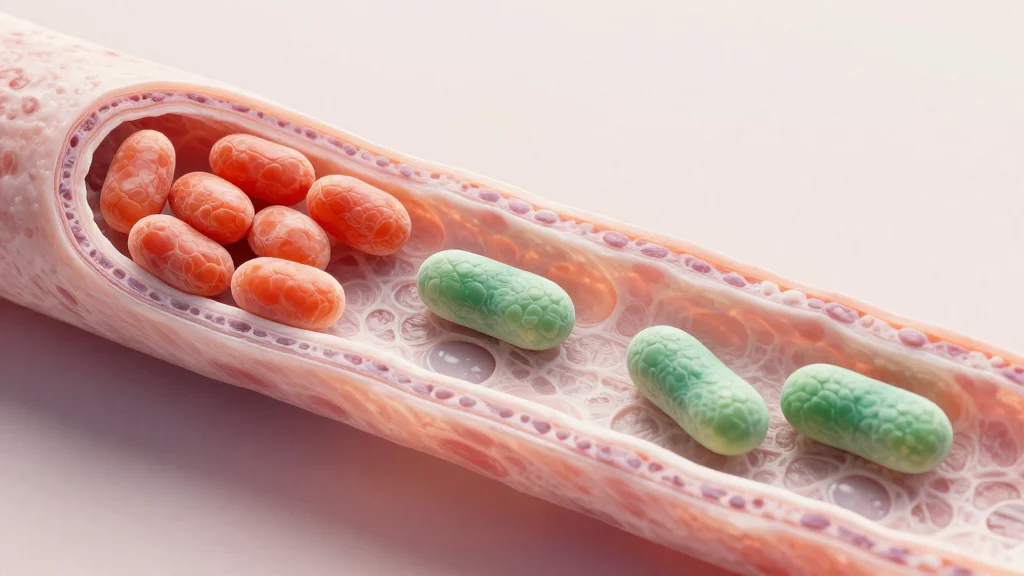
Functional Specialization Within the Mitochondrial Network: Are All Mitochondria Created Equal?
Why It Matters
The functional compartmentalization of mitochondria reshapes our understanding of cellular metabolism and opens avenues for precision interventions in metabolic diseases, cancer, and neurodegeneration. Targeting specific mitochondrial subpopulations could improve efficacy while minimizing off‑target effects.
Key Takeaways
- •Mitochondria exhibit morphological and functional heterogeneity within cells
- •Subcellular localization influences mitochondrial metabolic specialization
- •Protein composition, import, and degradation drive subpopulation formation
- •ETC supercomplexes and electron carriers modulate distinct functional outputs
- •Understanding subpopulations could enable targeted therapies for disease
Pulse Analysis
The notion that mitochondria operate as a monolithic power plant is giving way to a nuanced picture of intra‑cellular specialization. Recent imaging and biochemical studies have uncovered distinct mitochondrial pools that differ in size, cristae density, membrane potential, and proximity to organelles such as the endoplasmic reticulum, lysosomes, or lipid droplets. These spatial cues dictate whether a mitochondrion prioritizes ATP generation, fatty‑acid oxidation, biosynthetic precursor production, or signaling molecule synthesis, explaining how a single cell can simultaneously meet divergent metabolic demands.
Mechanistically, several non‑exclusive pathways generate this heterogeneity. Differential protein composition arises from selective degradation by localized proteases, asymmetric segregation of proteins and mtDNA during fission, and import regulation that couples membrane potential to targeting‑sequence strength. Moreover, organelle contact sites act as metabolic conduits, concentrating substrates and ions to bias specific pathways. At the electron transport chain level, the assembly of supercomplexes and the use of alternative quinone carriers such as rhodoquinone reshape electron flow, steering mitochondria toward either oxidative or reductive functions. Together, these layers of regulation create a mosaic of mitochondrial phenotypes within the same cytoplasm.
Recognizing and manipulating mitochondrial subpopulations holds promise for therapeutic innovation. In cancer, shifting the balance toward biosynthetic‑oriented mitochondria could starve proliferating cells, while enhancing catabolic subpopulations may improve cardiac resilience in heart failure. Neurodegenerative disorders might benefit from bolstering synaptic mitochondria with superior calcium buffering. Realizing these strategies requires refined isolation techniques, live‑cell tracking tools, and integrative omics pipelines capable of resolving subpopulation‑specific proteomes and metabolomes. As the field matures, targeted modulation of mitochondrial diversity could become a cornerstone of precision medicine.
Functional specialization within the mitochondrial network: Are all mitochondria created equal?
Comments
Want to join the conversation?
Loading comments...