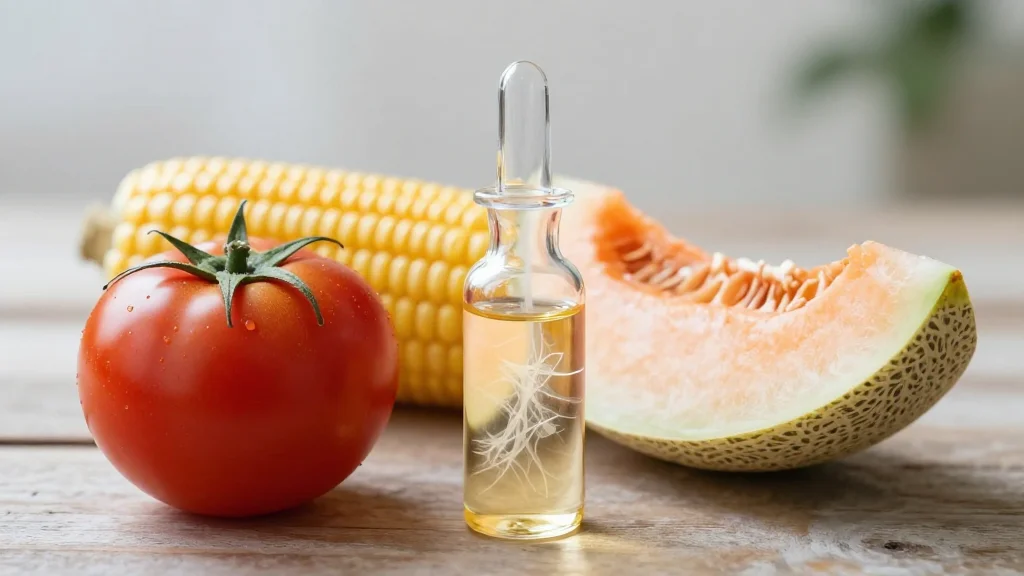
Fungus-Powered Farming Delivers Higher Yields and Better-Tasting Crops, Says Study
Why It Matters
The technology offers growers a reliable, eco‑friendly tool to boost productivity while reducing chemical inputs, addressing food‑security and environmental concerns simultaneously.
Key Takeaways
- •Pseudozyma aphidis extract boosts tomato yield 60% by weight
- •Melon weight increases fivefold with fungal extract treatment
- •Germination rates rise up to 18% for treated tomato seeds
- •Early flowering occurs 1‑2 weeks sooner across crops
- •Extract replaces live cultures, delivering consistent performance in fields
Pulse Analysis
As the global population edges toward 10 billion, traditional agriculture faces mounting pressure to produce more food with fewer resources. Synthetic fertilizers and pesticides have driven yields but at the cost of soil degradation, water contamination, and greenhouse‑gas emissions. Microbial solutions have emerged as a greener alternative, yet many rely on live organisms that struggle with variable field conditions. The Hebrew University team sidestepped this hurdle by isolating the active secretions of Pseudozyma aphidis, creating a stable, transportable formulation that can be applied like conventional inputs.
The study, published in Plant Physiology, detailed rigorous trials on three major crop families. Tomato seeds treated with the extract germinated 18% more often, and both corn and melon seeds saw roughly a 7% boost. Treated plants flowered one to two weeks earlier, shortening the growth cycle. Yield gains were striking: tomatoes produced over 60% more fruit by weight, while melons achieved a five‑fold increase. Sensory panels also rated the produce as firmer and sweeter, indicating that the extract enhances not just quantity but quality. Researchers attribute these effects to auxin‑like hormones and siderophores that improve nutrient uptake, especially iron.
If commercialized, this fungal extract could reshape input markets by offering a single product that replaces multiple chemicals. Its consistency eliminates the logistical challenges of maintaining live cultures, making it attractive for large‑scale growers and smallholder farms alike. Regulatory pathways may be smoother than for genetically modified organisms, given its natural origin. Ongoing work aims to pinpoint the exact compounds responsible, opening the door for formulation optimization and potential licensing deals. In a climate‑conscious era, such biostimulants represent a pragmatic step toward resilient, high‑output agriculture.
Fungus-powered farming delivers higher yields and better-tasting crops, says study
Comments
Want to join the conversation?
Loading comments...