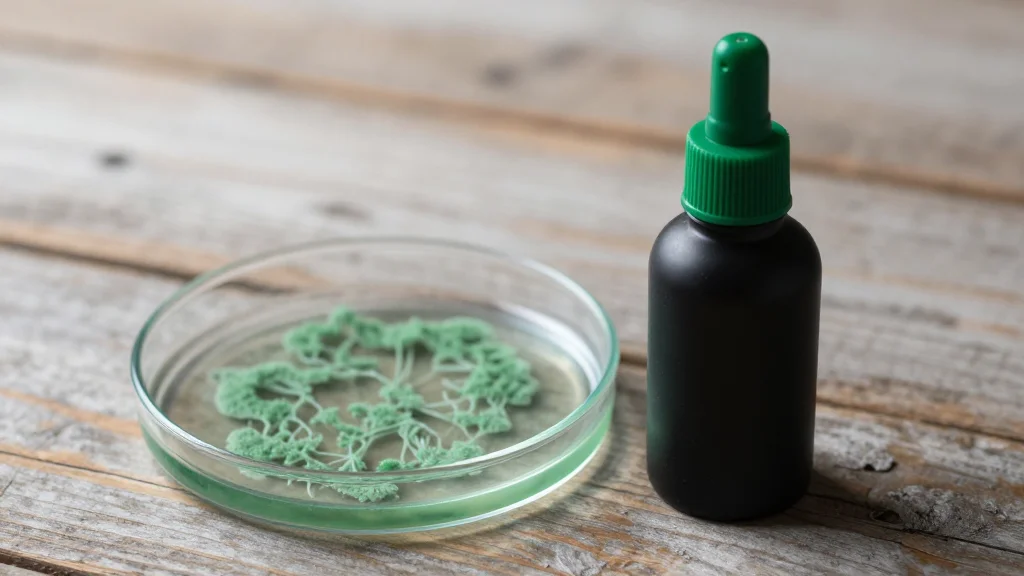
Fungus Threatens Food and Human Health, Researchers Argue
Why It Matters
Fungal resistance threatens to undermine essential medical treatments and crop protection, posing a dual risk to human health and food supply. Coordinated policy is needed now to prevent a silent crisis from becoming a costly, widespread emergency.
Key Takeaways
- •Dual-use fungicides applied to 94% of UK arable crops.
- •Fungicide exposure drives resistance in clinical fungal pathogens.
- •Researchers call for a cross‑government surveillance body.
- •Current UK response fragmented across agriculture, health, environment.
- •Resistant fungal infections cause ~2.5 million deaths annually worldwide.
Pulse Analysis
The rise of fungal antimicrobial resistance (fAMR) reflects a classic One Health dilemma, where interventions in one sector unintentionally harm another. In the UK, the pervasive use of fungicides—chemicals designed to protect crops from fungal loss—creates a selective pressure that mirrors the mechanisms driving antibiotic resistance in bacteria. As fungi encounter these agents in fields, they evolve defenses that can cross over to clinical settings, rendering standard treatments like azoles less effective against invasive infections. This feedback loop underscores the need for integrated monitoring that spans agriculture, healthcare and environmental agencies.
Beyond the immediate health implications, fAMR threatens agricultural productivity and economic stability. Resistant strains can decimate yields, forcing farmers to adopt more expensive or less sustainable control measures. The estimated 2.5 million annual deaths from fungal diseases already strain global health systems; a surge in untreatable cases would amplify hospital costs, prolong ICU stays, and increase mortality among vulnerable patients such as transplant recipients and chemotherapy patients. Moreover, the loss of effective fungicides could drive up food prices, impacting food‑insecure populations worldwide.
Policymakers are therefore urged to establish a dedicated, cross‑government body tasked with real‑time surveillance of fungal resistance in both environmental samples and clinical isolates. Such a framework would enable early detection of emerging resistant strains, inform stewardship guidelines for fungicide application, and promote research into novel antifungal agents. By aligning agricultural practices with medical stewardship, the UK can set a precedent for global action against fAMR, safeguarding both public health and food security before the crisis escalates.
Fungus threatens food and human health, researchers argue
Comments
Want to join the conversation?
Loading comments...