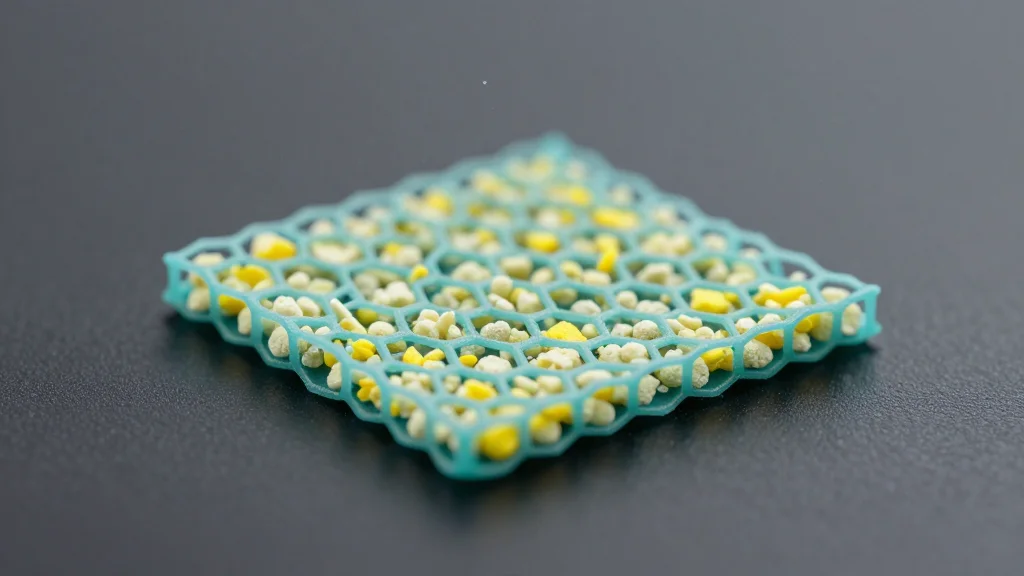
Gas Adsorption‐Driven Electronic Modulation in WO3@Cu3(HHTP)2 Heterostructure: Mechanistic Origin of Selective Drift Resistance Room‐Temperature Formaldehyde Sensing
Why It Matters
The breakthrough enables low‑cost, energy‑free indoor air quality monitors that can reliably detect carcinogenic formaldehyde at trace levels, addressing a critical health and regulatory need.
Key Takeaways
- •WO3@Cu3(HHTP)2 detects formaldehyde down to ~48 ppb at room temperature
- •Interfacial orbital hybridization shifts Fermi level, reducing sensor resistance on exposure
- •DFT shows HCHO binds phenolic O sites and WO3 oxygen vacancies
- •Sensor shows rapid response, quick recovery, and minimal baseline drift
- •Platform enables drift‑resistant VOC monitoring without heating elements
Pulse Analysis
Formaldehyde remains one of the most pervasive indoor pollutants, linked to respiratory irritation and carcinogenic effects even at parts‑per‑billion concentrations. Conventional metal‑oxide sensors rely on high operating temperatures to activate surface reactions, which inflates power consumption and accelerates sensor drift. Consequently, the market has long sought a room‑temperature chemiresistive platform that can deliver both ultra‑low detection limits and long‑term stability for residential, commercial, and industrial environments.
The WO3@Cu3(HHTP)2 heterostructure addresses this gap by marrying the high surface reactivity of tungsten trioxide with the intrinsic conductivity of a 2D conductive metal‑organic framework. Density‑functional theory reveals that formaldehyde preferentially adsorbs on phenolic oxygen sites of the MOF and oxygen‑vacancy sites of WO3, prompting localized charge redistribution that suppresses mid‑gap defect states. This adsorption‑driven electronic modulation translates into a measurable resistance drop, enabling detection as low as 48 ppb, sub‑second response times, and negligible baseline drift—all without external heating.
Beyond formaldehyde, the interfacial engineering strategy offers a versatile blueprint for next‑generation volatile organic compound (VOC) sensors. By tailoring the orbital overlap and defect landscape at metal‑oxide/MOF interfaces, manufacturers can design detectors for a broad spectrum of gases while maintaining low power footprints. The technology promises to accelerate deployment of smart building air‑quality networks, comply with tightening indoor‑environment regulations, and open new revenue streams for sensor firms seeking differentiated, drift‑resistant products.
Gas Adsorption‐Driven Electronic Modulation in WO3@Cu3(HHTP)2 Heterostructure: Mechanistic Origin of Selective Drift Resistance Room‐Temperature Formaldehyde Sensing
Comments
Want to join the conversation?
Loading comments...