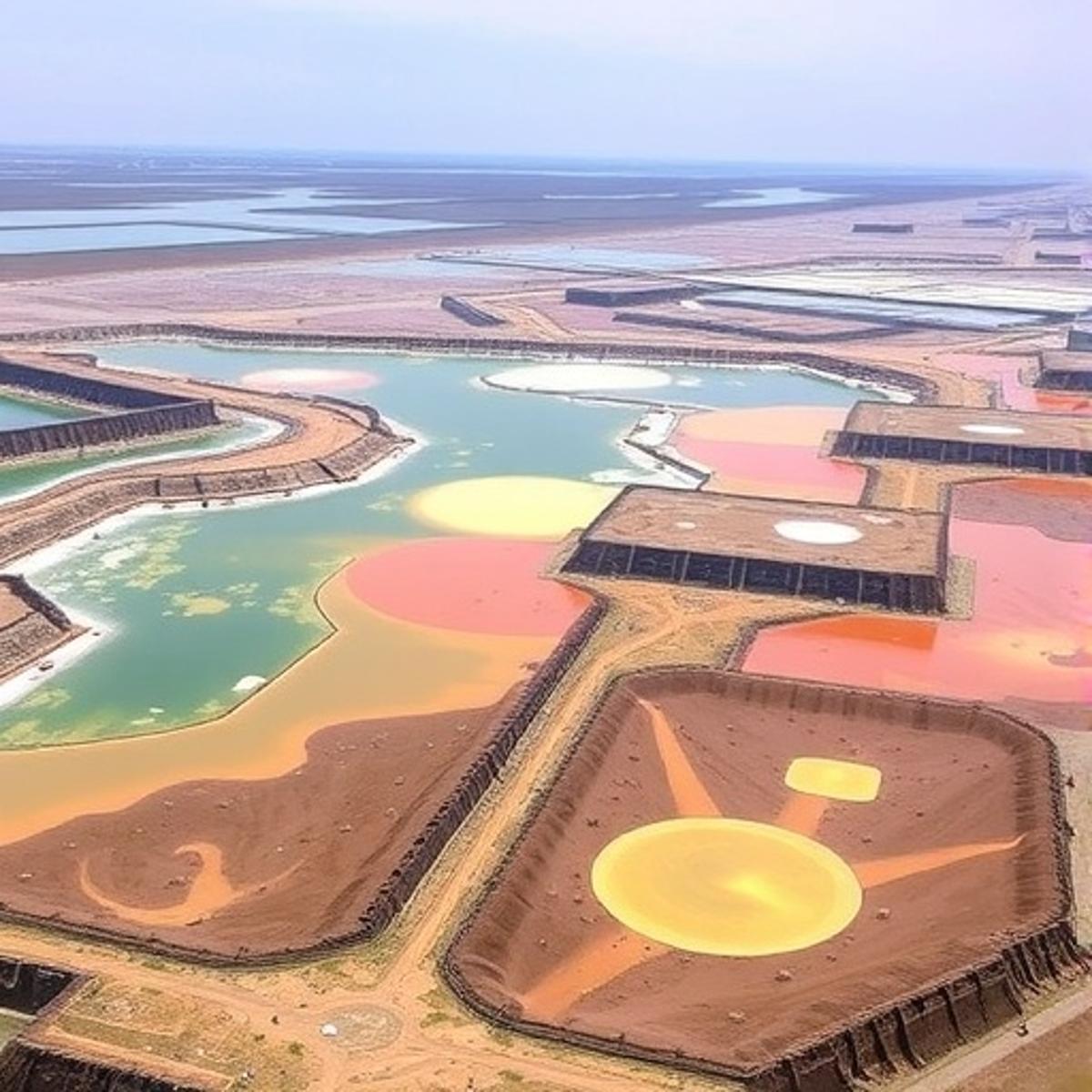
Gas Hydrates and Seeps in Krishna Godavari Basin
Why It Matters
Hydrate resources could boost India’s domestic gas supply while the associated geohazards demand new safety and monitoring protocols for offshore operations.
Key Takeaways
- •KGB hosts >1.5 trillion cubic feet of gas hydrate reserves
- •Natural seeps indicate active hydrate dissociation zones
- •Extraction could add 5% to India's gas supply
- •Hydrate instability raises seabed landslide risk
- •Monitoring requires advanced seismic and fiber‑optic technologies
Pulse Analysis
The Krishna Godavari Basin, long known for its prolific oil and gas fields, is now emerging as a hotspot for gas‑hydrate research. Gas hydrates—crystalline structures of water and methane—store vast amounts of energy in a stable form under high pressure and low temperature. The latest seismic and drilling data reveal that the KGB’s continental slope harbors more than 1.5 trillion cubic feet of hydrate‑bound methane, a figure that rivals many onshore shale plays. This discovery not only expands the resource base for India’s growing energy demand but also positions the basin alongside global hydrate hotspots such as the Gulf of Mexico and Japan’s Nankai Trough.
From an economic perspective, even a modest extraction of these hydrates could contribute roughly 5 percent of India’s projected natural‑gas consumption by 2030, easing import reliance and supporting the nation’s net‑zero ambitions. However, hydrate extraction is technically challenging; it requires depressurization or thermal stimulation that can destabilize the surrounding sediments. Recent seeps observed in the KGB signal natural dissociation, which may trigger submarine landslides and affect offshore infrastructure. Consequently, investors and operators must weigh the upside of a new domestic gas source against the heightened geohazard risk and the capital outlay for specialized drilling rigs.
Regulators and industry players are responding by prioritizing advanced monitoring solutions. High‑resolution 3‑D seismic imaging, coupled with fiber‑optic temperature and strain sensors, offers real‑time insight into hydrate stability zones. Collaborative research initiatives between Indian institutes and international partners aim to develop safe extraction protocols and carbon‑capture pathways for released methane. As the KGB’s hydrate potential becomes clearer, the basin could serve as a testbed for next‑generation offshore energy projects, blending resource development with rigorous environmental stewardship.
Gas Hydrates and Seeps in Krishna Godavari Basin
Comments
Want to join the conversation?
Loading comments...