Gemini’s Springtime Star Clusters Are Ripe for Exploring
•March 9, 2026
0
Why It Matters
These clusters give hobby astronomers affordable, high‑contrast deep‑sky practice, reinforcing spring sky engagement and skill development. Their accessibility drives equipment sales and sustains the amateur astronomy market.
Key Takeaways
- •M35 visible with modest binoculars
- •NGC 2158 needs modest telescope
- •Both rise in Gemini’s spring sky
- •Depth‑of‑field contrast aids learning
- •Clear March evenings improve viewing
Pulse Analysis
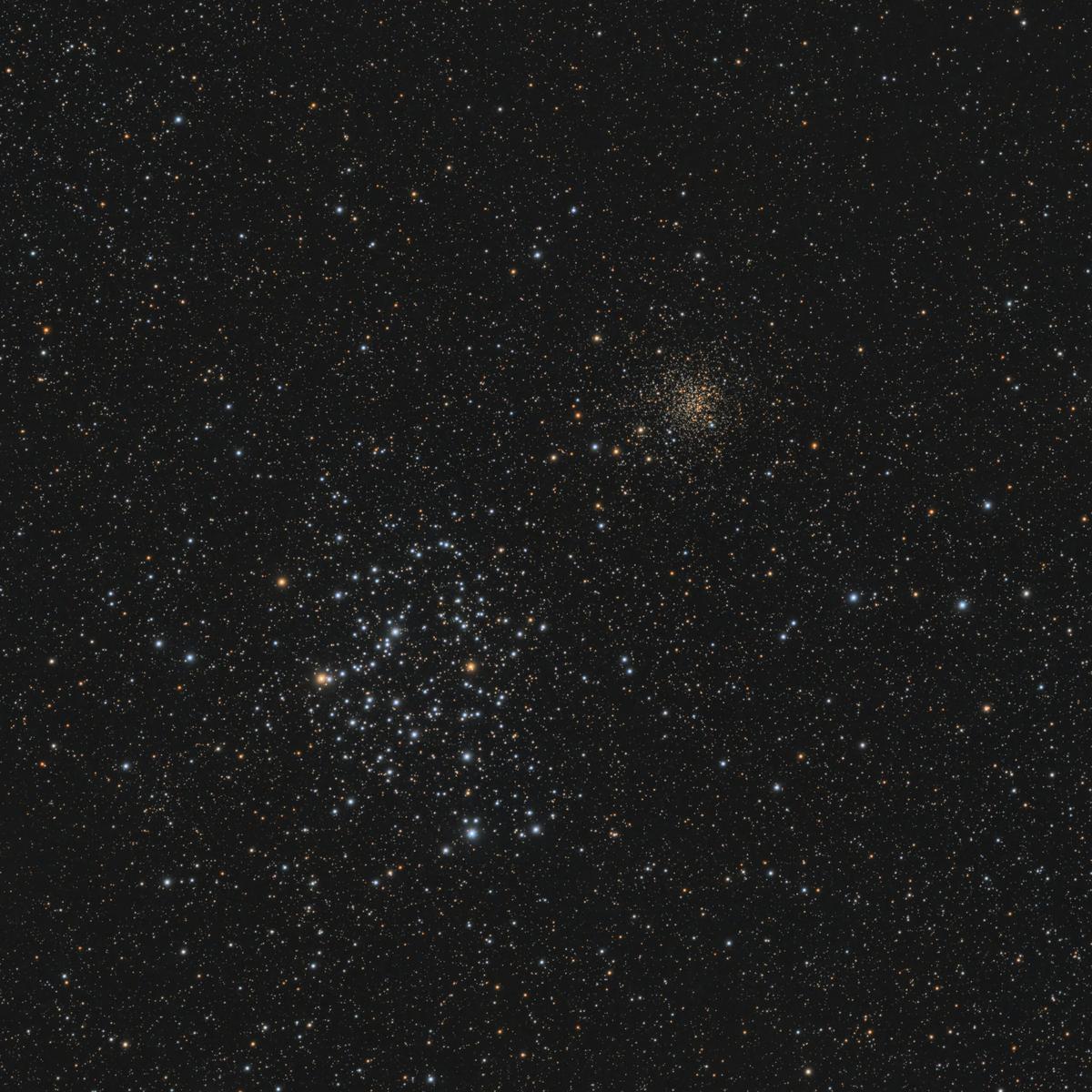
Spring’s Gemini constellation offers a natural laboratory for amateur astronomers, featuring the open clusters M35 and NGC 2158. M35, located roughly 3,000 light‑years away, shines as a loose stellar swarm that even modest binoculars can resolve, making it an ideal first‑light target for beginners. In contrast, NGC 2158 lies about 11,000 light‑years distant and appears as a tighter, older cluster that reveals its structure only through a small telescope or a fast‑focal‑ratio camera. This juxtaposition provides a clear lesson in depth of field and stellar evolution, allowing observers to compare a young, loose cluster with an older, denser one in a single field of view.
Effective observation of these clusters hinges on timing and equipment. The best window falls between late March and early May, when Gemini arches high above the horizon, minimizing atmospheric distortion. Binoculars with 7×‑10× magnification and a 50‑mm objective capture M35’s brightest members, while a 6‑inch Dobsonian or a refractor with a focal ratio of f/5‑f/8 will resolve NGC 2158’s core. Dark‑adapted eyes, a low‑light red flashlight, and a star‑chart app help locate the clusters near the bright star Castor. Recording sketches or short‑exposure images can further enhance the learning experience and provide material for online astronomy communities.
Beyond the immediate visual appeal, these clusters illustrate broader trends in the amateur market. Spring sky guides featuring M35 and NGC 2158 drive sales of mid‑range telescopes, high‑quality eyepieces, and astrophotography accessories. Retailers and manufacturers leverage the seasonal buzz in newsletters and social media, positioning the clusters as “must‑see” targets for 2026. Consequently, the clusters not only enrich personal observing programs but also stimulate economic activity across the hobbyist supply chain, reinforcing the symbiotic relationship between celestial events and the astronomy industry.
Gemini’s springtime star clusters are ripe for exploring
0
Comments
Want to join the conversation?
Loading comments...