Gemstones on Mars—Why the Red Planet Could Be Harboring Rubies, Opals, and More
Companies Mentioned
Why It Matters
These findings reshape our understanding of Martian geology by linking mineral formation to impact events, and they highlight a scientific, not commercial, incentive to retrieve Martian samples for life‑search research.
Key Takeaways
- •Mars stones contain corundum, the mineral family of rubies
- •Corundum likely formed from rapid asteroid impact, not tectonic processes
- •Opal-sized crystals on Mars are microscopic, unsuitable for jewelry
- •Mining Martian gems is economically unviable versus Earth sources
- •Gem-like minerals could preserve biosignatures, aiding life‑search missions
Pulse Analysis
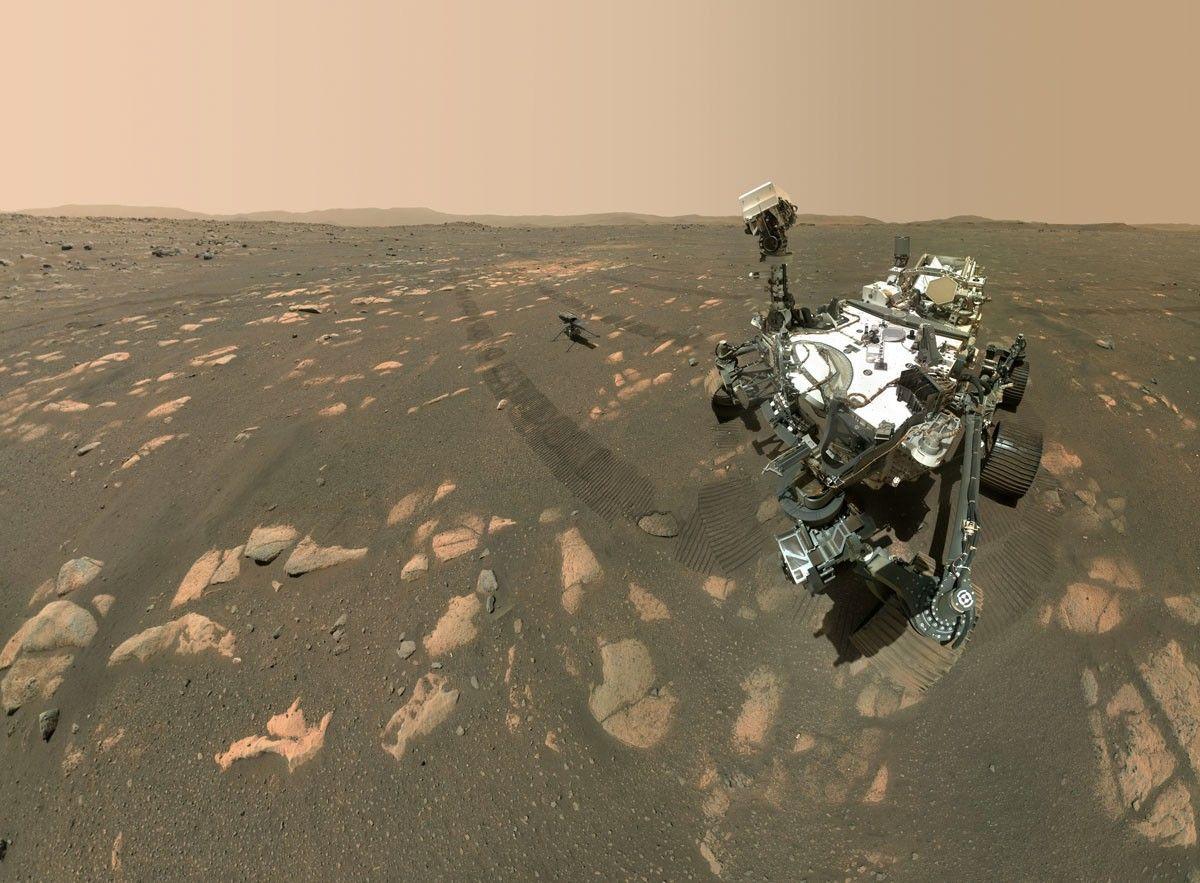
The detection of corundum and hydrated silica on the Martian surface marks a milestone in planetary mineralogy. Using Perseverance’s near‑infrared spectrometer, scientists pinpointed light‑toned pebbles in Jezero Crater that reflect the same spectral signatures as Earth’s ruby‑forming mineral. Complementary observations from the Mars Reconnaissance Orbiter confirmed the presence of opal‑like silica, albeit in crystals far too small for commercial use. These discoveries underscore how remote sensing can reveal nuanced geochemical processes on other worlds, expanding the catalog of extraterrestrial minerals beyond the traditional basaltic and iron‑oxide inventory.
Unlike Earth, where rubies crystallize under sustained high pressure and temperature within tectonic plates, Martian corundum appears to be a by‑product of hyper‑velocity asteroid impacts. The intense, seconds‑long heat generated by an impact can fuse aluminum‑rich meteoritic material with native Martian rocks, creating corundum grains that never achieve gem‑grade size or clarity. This rapid formation explains why the stones are pebble‑sized and the mineral inclusions are sub‑millimeter, mirroring the micro‑diamonds found in Siberia’s Popigai crater. Consequently, any commercial mining venture would face prohibitive costs, especially when comparable rubies and opals are readily available on Earth for a fraction of the expense.
The scientific payoff, however, is substantial. Microscopic opal crystals possess a porous lattice capable of trapping organic molecules, making them ideal archives for potential biosignatures. Analyzing such samples in Earth‑based electron microscopes could reveal traces of ancient microbial life, if any ever existed on Mars. Unfortunately, the United States’ Mars Sample Return program—once slated to bring back precisely this type of material—has stalled, leaving the planetary science community to await future missions. Until then, the gem‑like minerals serve as a reminder that Mars’ geological record, preserved in its ancient rocks, holds clues not only to the planet’s own evolution but also to the broader narrative of terrestrial planet formation in our solar system.
Gemstones on Mars—why the Red Planet could be harboring rubies, opals, and more
Comments
Want to join the conversation?
Loading comments...