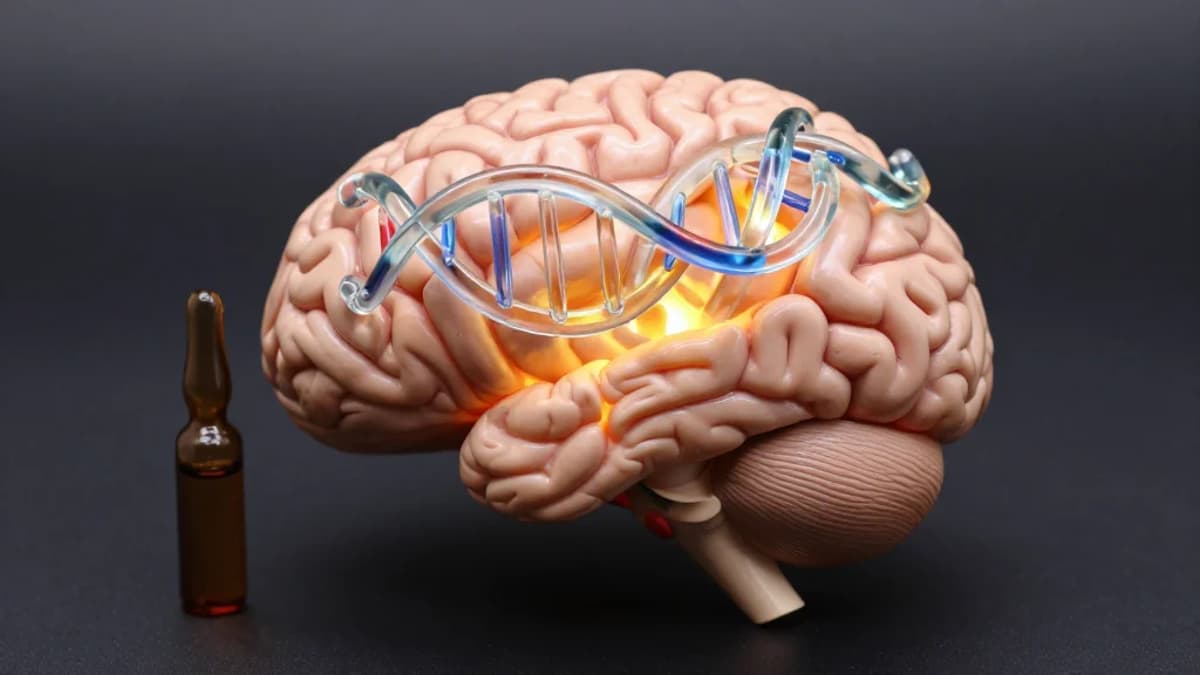
Genetic Pathways Linking Oxytocin-Vasotocin Hypothalamic Subunit Architecture with Psychiatric and Metabolic Traits
•March 11, 2026
0
Why It Matters
The work reveals a common genetic substrate linking brain hormone pathways to both mental illness and metabolic disease, opening avenues for integrated diagnostics and drug development.
Key Takeaways
- •Oxytocin‑pathway polygenic scores predict psychiatric risk
- •Same genetic variants associate with obesity and insulin resistance
- •Hypothalamic subunit volumes mediate gene‑trait relationships
- •Cross‑trait genetics suggest shared neuroendocrine mechanisms
- •Potential for combined mental‑metabolic therapeutic strategies
Pulse Analysis
The hypothalamus, long recognized as the brain’s hormonal command center, houses distinct oxytocin‑vasotocin neuron clusters that regulate stress, social behavior, and energy balance. Recent advances in large‑scale genomics have enabled researchers to dissect the genetic architecture of these neuronal subunits. By integrating high‑resolution MRI segmentation with polygenic scoring, the study pinpointed specific single‑nucleotide polymorphisms that shape the size and connectivity of magnocellular and parvocellular regions. This granular view moves beyond traditional whole‑brain analyses, offering a mechanistic framework that explains why disruptions in oxytocin signaling often co‑occur with psychiatric disorders such as schizophrenia and bipolar disorder.
Beyond mental health, the same oxytocin‑related genetic variants were robustly linked to metabolic traits, including body‑mass index, fasting glucose, and lipid profiles. The convergence of psychiatric and metabolic risk on hypothalamic architecture underscores a neuroendocrine axis where dysregulated hormone production can drive both mood dysregulation and metabolic dysfunction. This insight aligns with epidemiological data showing elevated rates of obesity and cardiovascular disease among individuals with severe mental illness, suggesting that shared genetic pathways may underlie these comorbidities rather than solely lifestyle factors.
Clinically, the findings open new possibilities for precision medicine. Targeting oxytocin‑vasotocin receptors or modulating hypothalamic subunit activity could address both psychiatric symptoms and metabolic abnormalities simultaneously. Moreover, polygenic risk scores derived from oxytocin‑pathway genes may enhance early identification of individuals at dual risk, guiding preventive interventions. As drug pipelines explore intranasal oxytocin and selective receptor agonists, integrating genetic and neuroimaging biomarkers will be critical to optimize efficacy and minimize off‑target effects, ultimately bridging the gap between mental health and metabolic care.
Genetic pathways linking oxytocin-vasotocin hypothalamic subunit architecture with psychiatric and metabolic traits
0
Comments
Want to join the conversation?
Loading comments...