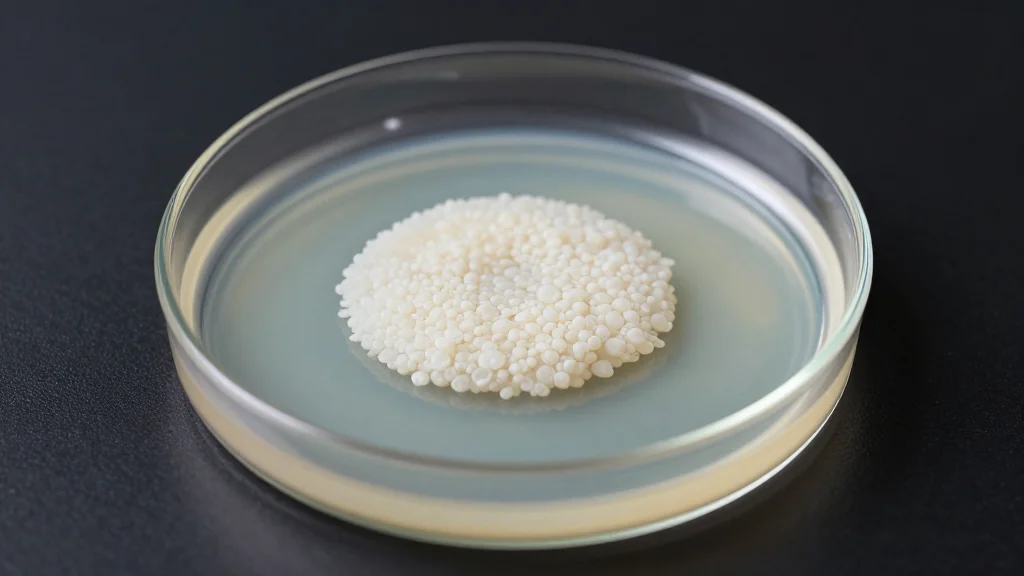
Genomic and Phenotypic Insights Into the Beneficial, Functional, and Safety Properties of Lacticaseibacillus Rhamnosus PMK4 Isolated From Cameroonian Infant Faeces
Why It Matters
PMK4 combines a clean safety profile with robust gut‑adaptive traits, positioning it for development into next‑generation probiotics that address microbiome‑related health challenges, especially in emerging markets.
Key Takeaways
- •PMK4 genome reveals acid tolerance and adhesion genes
- •No acquired antibiotic resistance or virulence factors detected
- •Survives simulated GI tract, aggregates strongly, and adheres moderately
- •Inhibits multiple enteropathogens through broad antimicrobial activity
- •Metabolizes diverse carbohydrates and proteins, indicating gut versatility
Pulse Analysis
The probiotic sector is increasingly turning to genomics to validate strain safety and efficacy before market entry. Whole‑genome sequencing allows developers to screen for unwanted resistance determinants and virulence factors, streamlining regulatory approval and building consumer trust. In the case of Lacticaseibacillus rhamnosus PMK4, comprehensive in‑silico analyses using ResFinder, CARD, and VFDB confirmed a clean genetic background, a prerequisite for any strain destined for human consumption.
L. rhamnosus is a well‑studied species, yet most commercial isolates originate from Western populations. PMK4, sourced from a Cameroonian infant, adds valuable geographic diversity to the probiotic toolbox. Its genome encodes acid‑stress response systems and adhesion proteins that translate into high survival rates under simulated gastric and intestinal conditions, strong auto‑aggregation, and moderate cell surface hydrophobicity. These phenotypes enhance colonization potential and competitive exclusion of pathogens, as demonstrated by its broad antagonistic activity against enteric bacteria.
From a market perspective, an indigenous African probiotic with proven safety and functional benefits could meet growing demand for region‑specific health solutions. The strain’s metabolic versatility—utilizing complex carbohydrates and proteins—suggests it can thrive in varied dietary contexts, supporting gut health across diverse consumer bases. As regulatory frameworks tighten worldwide, PMK4’s genomic safety dossier and phenotypic performance position it well for inclusion in functional foods, dietary supplements, or therapeutic formulations, potentially catalyzing new investment in microbiome‑based products from under‑represented regions.
Genomic and phenotypic insights into the beneficial, functional, and safety properties of Lacticaseibacillus rhamnosus PMK4 isolated from Cameroonian infant faeces
Comments
Want to join the conversation?
Loading comments...