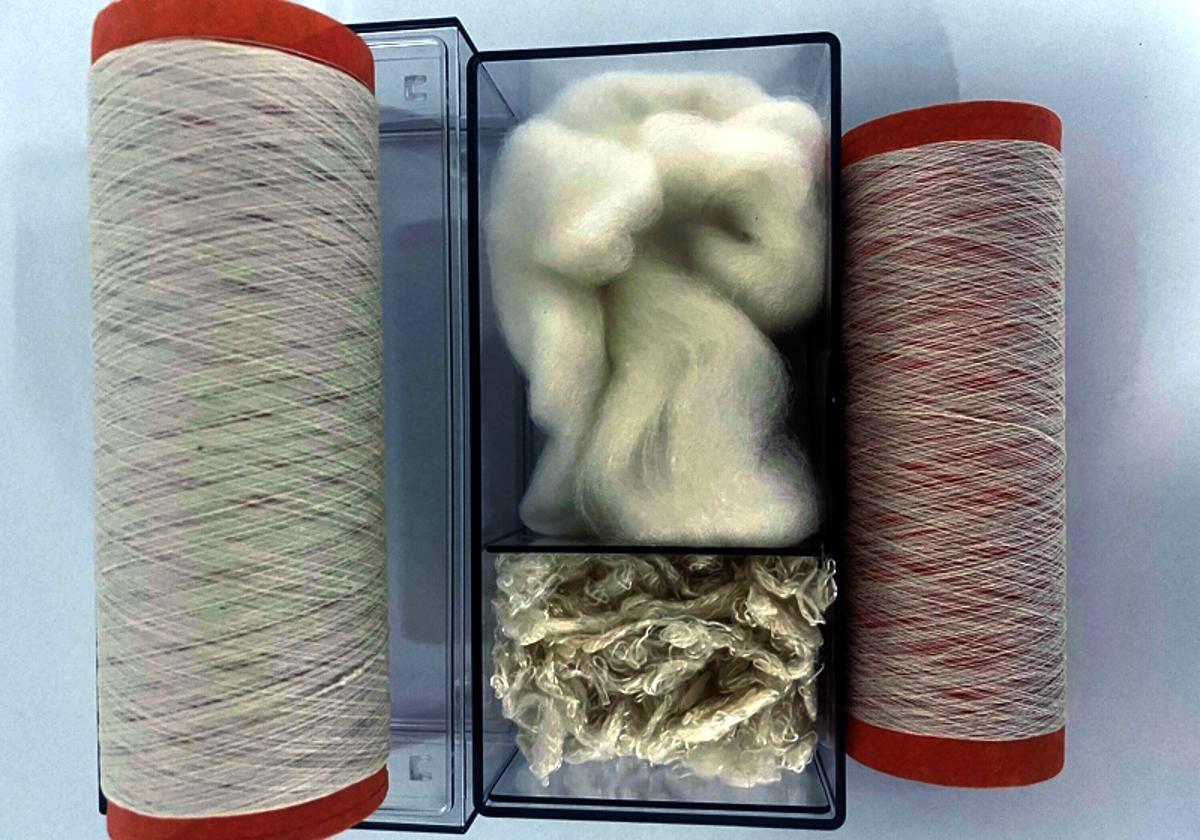
German Institute Claims Cellulose Breakthrough
Why It Matters
By removing carbon disulfide and cutting waste, HighPerCell could dramatically lower the environmental footprint of cotton‑like fabrics, giving brands a greener sourcing option. The technology also positions Europe as a leader in circular textile chemistry.
Key Takeaways
- •InnoCell creates staple‑fiber yarns from beech wood via ionic liquids.
- •Closed‑loop process recovers >99% solvent, no toxic by‑products.
- •First commercial adaptation of HighPerCell from filament to staple fiber.
- •Potential low‑impact substitute for viscose in apparel supply chains.
- •European textile industry gains a circular, carbon‑reduced manufacturing route.
Pulse Analysis
The HighPerCell process leverages ionic liquids—non‑volatile, recyclable solvents—to dissolve beech‑derived cellulose and spin it directly into staple‑fiber yarns. Unlike the decades‑old viscose method, which depends on carbon disulfide and generates hazardous waste, HighPerCell operates in a sealed loop that captures more than 99 % of the solvent for reuse, eliminating liquid effluents and slashing emissions. This chemistry not only reduces the ecological burden of fiber production but also simplifies water‑intensive steps, making the overall footprint comparable to, or lower than, conventional cotton.
For apparel brands chasing verifiable sustainability, InnoCell offers a ready‑to‑use, low‑impact material that mimics the hand and drape of viscose without its toxic legacy. European manufacturers, already under pressure from stricter EU circular‑economy directives, can integrate the technology into existing spinning lines, potentially lowering raw‑material costs by using locally sourced beech wood. Early adopters may gain a market advantage as retailers increasingly demand transparent, green sourcing, while consumers respond positively to fabrics with a clear environmental story.
The breakthrough aligns with broader industry shifts toward closed‑loop chemistry and bio‑based inputs. Policymakers are likely to support scaling through subsidies and research grants, recognizing the dual benefits of waste reduction and rural economic development. As competitors explore alternative solvents and enzymatic routes, DITF’s patented HighPerCell could set a benchmark for performance and sustainability, prompting further investment in circular textile ecosystems worldwide.
German institute claims cellulose breakthrough
Comments
Want to join the conversation?
Loading comments...