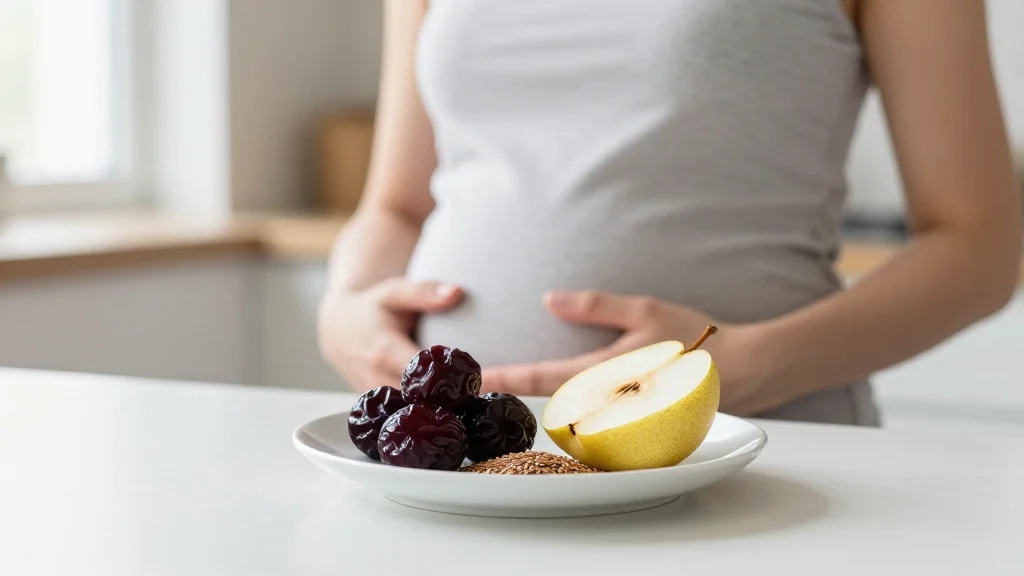
Gestational Constipation and the Gut Microbiota: Mechanisms, Interventions, and Implications for Maternal and Offspring Health
Why It Matters
Addressing constipation through microbiota‑focused nutrition can improve maternal outcomes and program healthier offspring, reshaping prenatal care standards.
Key Takeaways
- •Constipation prevalence reaches 40% during pregnancy
- •Pregnancy reduces gut microbial alpha diversity, increases specific phyla
- •Low fiber intake correlates with dysbiosis and slower transit
- •Probiotic/synbiotic use may lower gestational diabetes risk
- •Maternal constipation linked to 1.2‑fold rise in child allergies
Pulse Analysis
The maternal gut microbiome undergoes a predictable transformation across gestation, marked by reduced diversity and a rise in Actinomycetota and Pseudomonadota. These changes support the metabolic demands of the fetus but also create a vulnerable environment where low fiber intake or hormonal effects can trigger dysbiosis. When beneficial bacteria that produce short‑chain fatty acids decline, colonic motility slows, serotonin signaling is disrupted, and the intestinal barrier weakens, manifesting as functional constipation in up to two‑thirds of expectant mothers.
Targeted nutritional strategies are emerging as the most practical way to rebalance this ecosystem. Soluble, fermentable fibers such as psyllium, inulin, and resistant starch provide substrates for butyrate‑producing microbes, boosting SCFA levels and restoring stool bulk without stimulating uterine contractions. Clinical trials in non‑pregnant cohorts show that these fibers reshape microbial composition, increase diversity, and improve bowel regularity; early pregnancy studies echo similar benefits. Probiotic and synbiotic formulations, particularly strains of Bifidobacterium and Lactobacillus, have demonstrated ancillary advantages, including modest reductions in gestational diabetes incidence and enhanced maternal mental wellbeing, likely through anti‑inflammatory pathways.
Beyond immediate symptom relief, the maternal microbiome sets the stage for the infant’s microbial colonization and long‑term health. Epidemiological analyses associate maternal constipation with a 20‑30% higher risk of offspring atopic dermatitis, allergic rhinitis, and neurodevelopmental delays, while animal models reveal that late‑gestation microbiota‑targeted interventions improve colostrum quality and offspring growth. These findings argue for a paradigm shift: prenatal care should incorporate personalized, microbiota‑guided recommendations—using predictive microbial biomarkers to tailor fiber type and probiotic selection—thereby protecting two generations. The integration of such strategies promises to reduce obstetric complications, enhance maternal comfort, and lay a healthier foundation for children’s immune and neurological development.
Gestational constipation and the gut microbiota: mechanisms, interventions, and implications for maternal and offspring health
Comments
Want to join the conversation?
Loading comments...