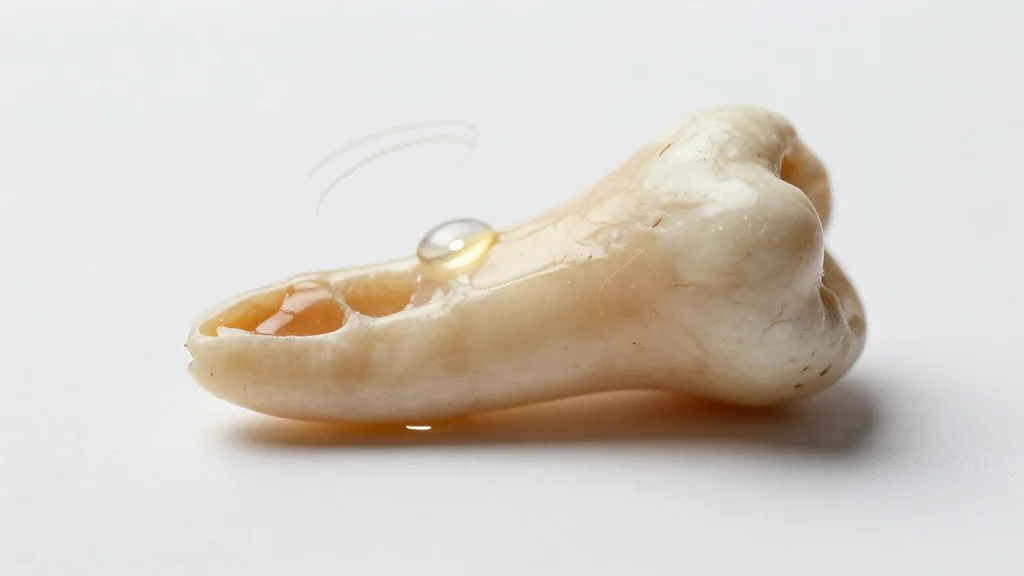
Ghost of Long-Extinct Ancestor Lives on in People Today
Why It Matters
The discovery links a long‑extinct ancestor to living people, reshaping our understanding of human evolutionary genetics and demonstrating a non‑destructive path for studying ancient hominins.
Key Takeaways
- •Acid‑etching extracts proteins without damaging Homo erectus teeth
- •Six 400,000‑year‑old teeth share AMBN‑M273V variant
- •Variant also appears in Denisovans and modern Southeast Asian populations
- •Unique AMBN‑253G may mark East Asian Homo erectus
- •Findings suggest ancient gene flow among Homo erectus, Denisovans, modern humans
Pulse Analysis
Paleogenomics has long relied on DNA, but the fragile nature of genetic material in fossils older than 500,000 years often forces researchers to abandon valuable specimens. Proteins, especially those locked within tooth enamel, survive far longer and can serve as a reliable proxy for genetic information. By sidestepping destructive drilling, the acid‑etching method preserves the integrity of priceless fossils while still delivering high‑resolution molecular data, opening new avenues for studying hominin lineages that were previously inaccessible.
The Chinese team’s analysis of six Homo erectus teeth uncovered two enamel protein variants. The AMBN‑M273V variant, previously identified in Denisovan remains, also appears in modern populations across the Philippines and Melanesia, suggesting a genetic thread that weaves through Homo erectus, Denisovans, and contemporary humans. The second variant, AMBN‑253G, is absent from other known hominins, potentially serving as a molecular signature for East Asian Homo erectus and offering clues about migration patterns across Eurasia. These findings provide a tangible link between ancient and present‑day genomes, enriching the narrative of human evolution.
Beyond its scientific intrigue, the study signals a shift in how museums and research institutions might handle fragile fossils. The minimally invasive acid‑etching approach could become a standard tool, encouraging broader sampling of ancient specimens without compromising their preservation. As more hominin proteins are cataloged, the field moves closer to constructing a comprehensive, protein‑based phylogeny that complements DNA evidence, ultimately delivering a more nuanced picture of our species’ deep past.
Ghost of long-extinct ancestor lives on in people today
Comments
Want to join the conversation?
Loading comments...