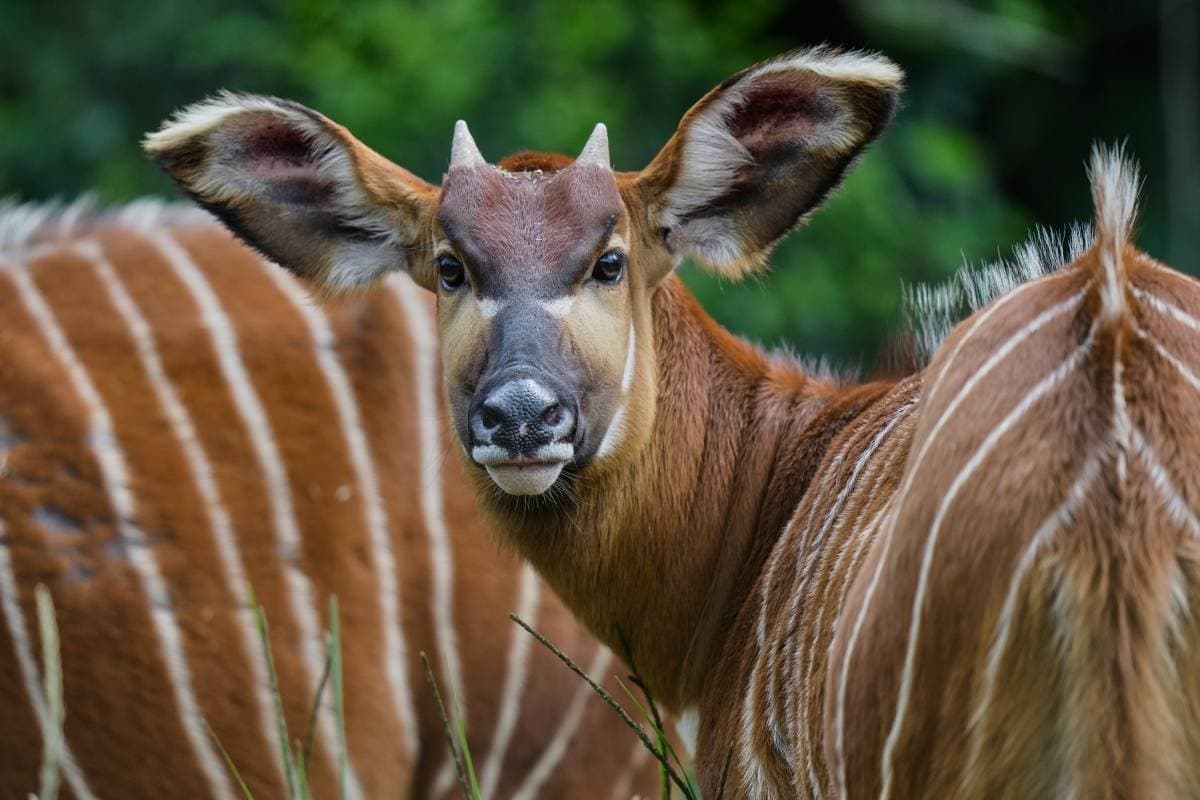
'Ghost of the Forest' Returns to Kenya as Conservationists Reintroduce Rare Antelope Into the Wild
Why It Matters
Restoring the bongo bolsters Kenya’s forest ecosystems, safeguarding water supplies and tourism revenue while providing a replicable blueprint for reviving other critically endangered species.
Key Takeaways
- •Fewer than 100 wild bongos remain; goal 750 by 2050.
- •Conservancy added four Czech-sourced males to boost genetic diversity.
- •102 bongos now in captivity after two decades of breeding.
- •Reintroduced calves indicate successful adaptation to native forest habitat.
Pulse Analysis
Kenya’s mountain bongo has long been a symbol of forest fragility, with fewer than a hundred individuals surviving in the wild after disease outbreaks and poaching decimated populations in the mid‑20th century. The antelope’s unique camouflage and dietary needs make it a keystone species for the high‑altitude woodlands that regulate the country’s water catchments. Protecting these forests not only preserves biodiversity but also underpins the livelihoods of millions who depend on reliable water flow from Mount Kenya’s slopes.
The Mount Kenya Wildlife Conservancy’s breeding program blends ex‑situ conservation with in‑situ reintroduction. Starting with 18 zoo‑born bongos in 2004, the herd has grown to 102 individuals, a figure bolstered by the recent arrival of four genetically distinct males from the Czech Republic. By diversifying the gene pool, managers aim to avoid inbreeding depression and produce offspring capable of surviving predators and disease without human aid. The long‑term target—750 wild bongos by 2050—relies on a steady pipeline of captive‑born calves that are acclimatized for months before release.
Beyond species recovery, the bongo project delivers tangible ecosystem services. Healthy bongo populations help maintain understory vegetation, which stabilizes soil and enhances water infiltration, directly supporting Kenya’s agricultural heartland. The program also fuels eco‑tourism; visitors flock to the conservancy to glimpse the “ghost of the forest,” generating revenue for local communities. By intertwining wildlife restoration with economic incentives, the initiative offers a scalable model for other nations confronting the loss of irreplaceable forest fauna.
'Ghost of the forest' returns to Kenya as conservationists reintroduce rare antelope into the wild
Comments
Want to join the conversation?
Loading comments...