Why It Matters
Glacier‑dwelling fauna represent a largely unknown component of global biodiversity, and their loss would erase unique evolutionary adaptations. Understanding these ecosystems also provides early warning signals of climate‑driven habitat disruption.
Key Takeaways
- •Study cataloged over 150 animal species living on glaciers worldwide
- •Half of identified species have only been recorded on glaciers
- •Cryoconite holes host tardigrades and rotifers; debris hosts nematodes
- •Research concentrated in North America, Greenland, Europe, Himalayas; many regions unexplored
- •Glacier melt threatens unknown species, accelerating biodiversity loss
Pulse Analysis
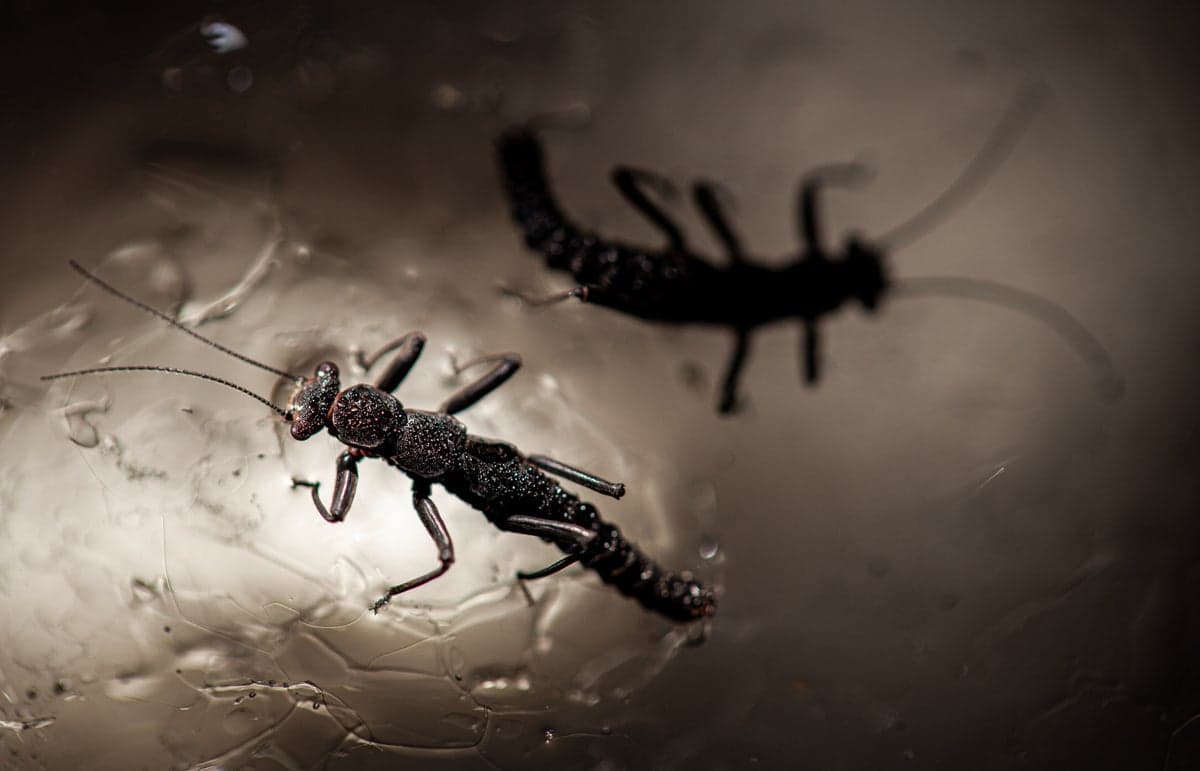
Glaciers are no longer just static ice masses; they are dynamic habitats that support a surprising diversity of multicellular life. Recent synthesis of more than a hundred field studies uncovered over 150 animal species—from microscopic tardigrades to springtail insects—making glaciers one of the planet’s most under‑appreciated ecosystems. These organisms exploit niche micro‑environments such as cryoconite holes, where solar‑heated meltwater pools collect dust and organic matter, and surface debris zones that provide shelter and food sources. The partitioning of species across these habitats underscores the ecological complexity hidden beneath the white veneer.
The distribution of glacier fauna is far from uniform. Cryoconite holes tend to harbor water bears and rotifers, organisms adept at surviving desiccation and extreme temperature swings. In contrast, the dusty, wind‑blown debris on glacier surfaces is dominated by nematodes and springtails, which feed on microbial films and detritus. This habitat specialization mirrors patterns seen in terrestrial ecosystems, suggesting that even the most austere environments can foster intricate food webs. However, the current knowledge base is skewed toward well‑studied regions—western North America, Greenland, parts of Europe, and the Himalayas—leaving vast expanses of Asian, South American, and Antarctic glaciers largely uncharted.
The rapid retreat of glaciers under a warming climate poses an urgent conservation dilemma. As ice melts, the specialized habitats that sustain these organisms disappear, potentially driving extinction of species we have yet to discover. Moreover, glacier‑dwelling species may hold clues to extreme‑cold tolerance that could inform biotechnology and climate‑resilience research. Prioritizing systematic surveys and integrating glacier biology into broader climate‑impact assessments will be essential to preserve this hidden biodiversity before it vanishes.
Glaciers are secretly teeming with life
Comments
Want to join the conversation?
Loading comments...