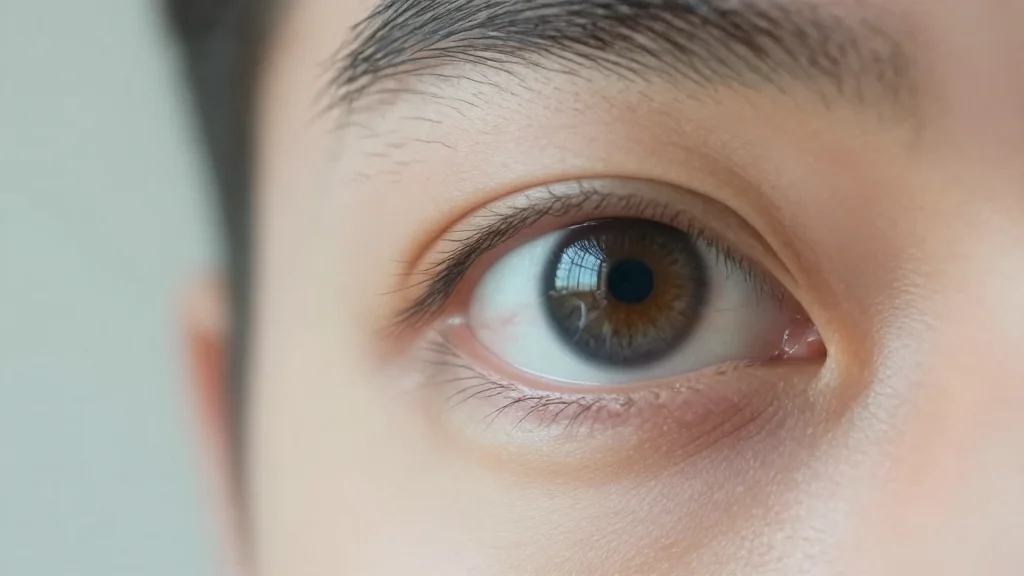
Glaucoma, Hypertension May Be Linked to Dementia Risk
Why It Matters
Identifying ocular and cardiovascular indicators of cognitive decline could enable earlier dementia screening and interdisciplinary treatment strategies, reshaping preventive neurology and ophthalmology.
Key Takeaways
- •Glaucoma patients showed lower MoCA scores in AI dataset study
- •Hypertension prevalence higher among participants with poorer cognitive performance
- •Researchers propose OCT and fundus imaging as early dementia biomarkers
- •Study highlights vascular dysfunction as shared pathway for eye‑brain disease
Pulse Analysis
The recent poster at the Association for Research in Vision and Ophthalmology reveals a compelling association between glaucoma, hypertension, and cognitive decline. By leveraging an AI‑ready electronic health record cohort, investigators measured Montreal Cognitive Assessment scores and found that individuals with glaucoma or high blood pressure consistently performed worse. This cross‑disciplinary finding underscores the growing recognition that ocular health can reflect systemic vascular conditions, positioning eye examinations as a window into brain health.
Beyond the statistical link, the study proposes practical pathways for early dementia detection. Advanced retinal imaging modalities—optical coherence tomography (OCT) and fundus photography—could capture microvascular changes that mirror cerebral perfusion deficits. If validated, these non‑invasive tools would allow clinicians to flag high‑risk patients before overt neurodegeneration manifests, integrating ophthalmology into the broader preventive care continuum. The vascular dysfunction hypothesis offers a biologically plausible mechanism, aligning with emerging research on blood‑brain barrier integrity and retinal vessel caliber as proxies for cerebral microcirculation.
The implications extend to health‑system analytics and personalized medicine. Combining electronic health record data with imaging biomarkers enables machine‑learning models to predict dementia trajectories with greater accuracy. Such models could inform targeted interventions, from blood‑pressure management to lifestyle modifications, ultimately reducing the societal burden of cognitive disorders. As the field moves toward integrated, data‑driven care, this research highlights the need for collaborative protocols between eye specialists, neurologists, and primary care providers.
Glaucoma, hypertension may be linked to dementia risk
Comments
Want to join the conversation?
Loading comments...