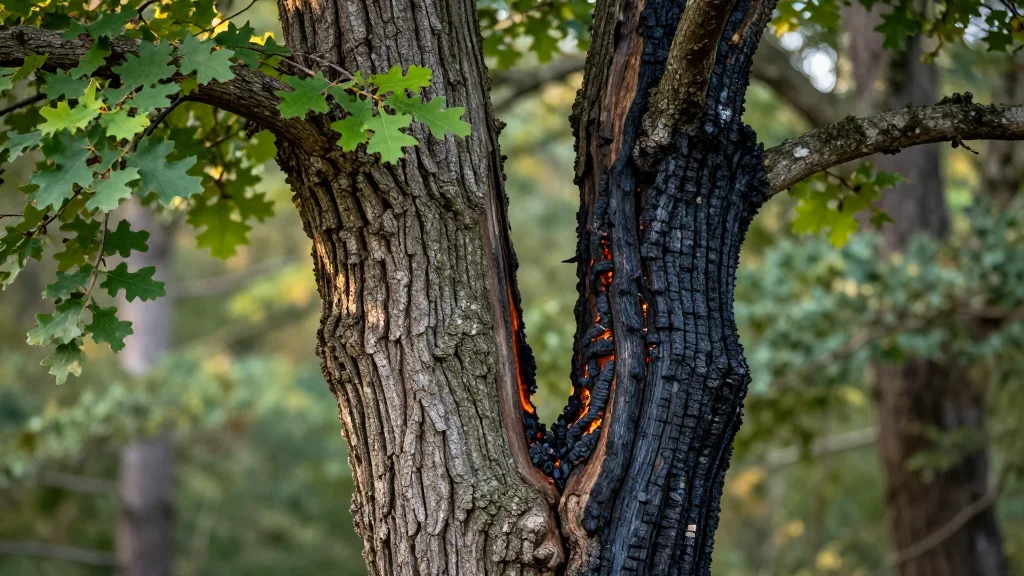
Global Deforestation Slows, W.R.I. Report Finds. But Wildfires Are Taking a Toll.
Why It Matters
The mixed results underscore that while policy can rapidly curb deforestation, climate‑driven wildfires and unsustainable plantation growth threaten to reverse gains, jeopardizing global climate targets. Stakeholders must balance land‑use policies with fire‑risk mitigation to preserve forests as carbon sinks.
Key Takeaways
- •Global tree loss fell 14% in 2025, to 63 million acres.
- •Wildfires burned 26 million acres, offsetting deforestation gains.
- •Brazil’s deforestation dropped 41% under Lula’s anti‑logging policies.
- •Indonesia’s forest loss rose 14% despite a multibillion‑dollar plantation plan.
- •Forests now absorb only 25% of past carbon uptake, risking net emissions.
Pulse Analysis
The latest World Resources Institute analysis paints a nuanced picture of the planet’s forest health. After a decade of record‑high loss, 2025 marked a 14% decline in tree cover removal, translating to roughly 63 million acres spared. This improvement stems largely from intensified protection measures in tropical regions, where primary forest loss fell 36% year‑over‑year. Yet the headline‑grabbing decline masks a countervailing force: wildfires. An estimated 26 million acres burned in 2025—almost the size of Cuba—highlighting how climate‑induced fire regimes can quickly erode conservation gains.
Climate change is amplifying fire frequency and intensity, turning forests from carbon sinks into potential carbon sources. Scientists warn that the planet’s forests now sequester only about 25% of the carbon they once did, and some ecosystems have already become net emitters. This shift threatens the Paris Agreement’s ambition and the broader 2030 pledge to halt and reverse deforestation, which currently lags 70% behind the required trajectory. The report underscores that without coordinated fire‑management strategies and resilient land‑use policies, the hard‑won reductions in deforestation could be undone.
Country‑level actions illustrate both promise and peril. Brazil’s deforestation rate plunged 41% after President Lula reinstated anti‑deforestation campaigns and tightened enforcement, delivering the lowest human‑caused loss on record. Conversely, Indonesia’s forest loss surged 14% despite a multibillion‑dollar push to expand rice and sugar‑cane plantations, revealing how economic incentives can clash with conservation. Malaysia’s oil‑palm restrictions and Colombia’s Indigenous land‑governance reforms show that targeted policies can yield measurable benefits. As the world races toward the 2030 target, scaling successful national frameworks while curbing fire‑prone plantation expansion will be essential to safeguard forests and the climate.
Global Deforestation Slows, W.R.I. Report Finds. But Wildfires Are Taking a Toll.
Comments
Want to join the conversation?
Loading comments...