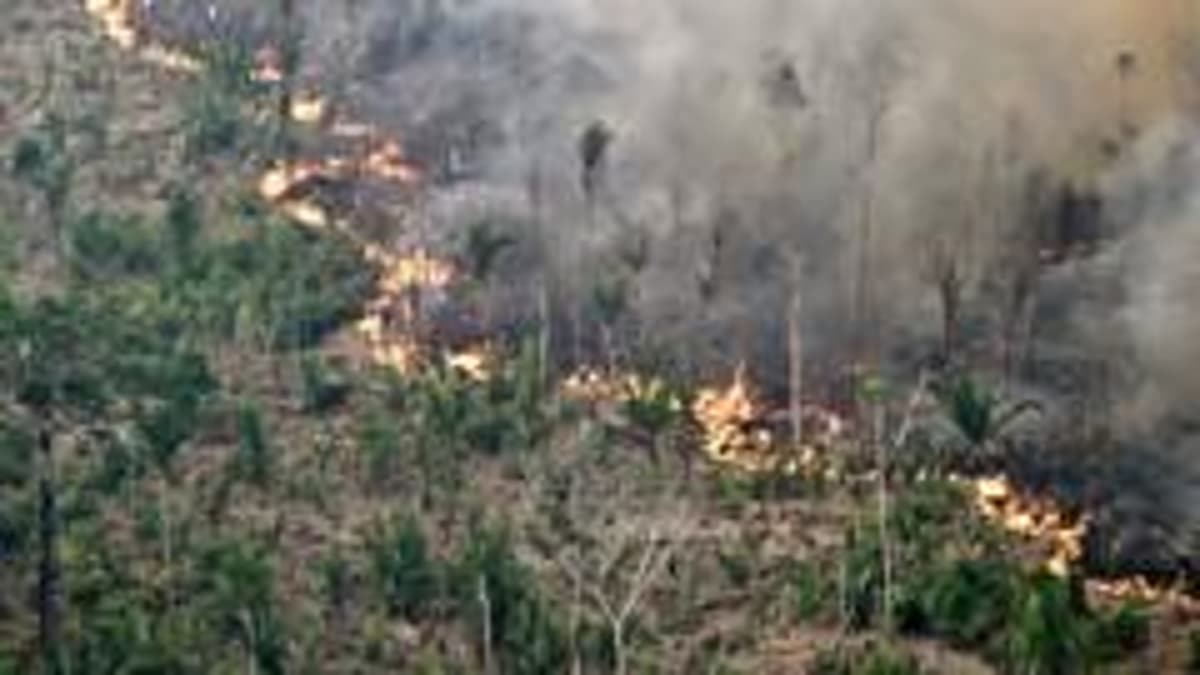
Global Forest Loss Slows but El Niño Fires Could Threaten Progress
Why It Matters
The slowdown demonstrates that strong political will can curb deforestation, but looming El Niño‑related fire risk could reverse progress, jeopardizing climate targets and biodiversity.
Key Takeaways
- •Global forest loss fell 36% in 2025, about 43,000 sq km lost.
- •Brazil's deforestation hit 5,700 sq km, lowest since 2002.
- •El Niño may reignite fires, threatening recent gains.
- •Climate‑driven droughts increase fire risk across tropical regions.
- •COP26 pledge to halt deforestation by 2030 remains unmet.
Pulse Analysis
The 2025 satellite report offers a rare data‑driven glimpse into how targeted policy can reshape deforestation trends. Brazil’s intensified enforcement, land‑use monitoring and incentives for sustainable agriculture have driven its forest loss to a historic low, illustrating that political resolve translates into measurable environmental outcomes. Yet the global picture remains uneven; other tropical regions still experience loss rates far above a decade ago, highlighting the need for coordinated international action beyond national successes.
While the recent decline is encouraging, the looming El Niño episode introduces a volatile variable. Warmer sea‑surface temperatures and altered precipitation patterns create tinder‑dry conditions that amplify fire intensity and spread. Researchers warn that even modest fire outbreaks can quickly overwhelm containment efforts, especially where illegal logging has left fragmented landscapes. Integrating fire‑risk modeling with forest‑monitoring platforms could enable pre‑emptive resource allocation, reducing the likelihood that a single heatwave undoes years of progress.
The broader climate agenda hinges on keeping the COP26 pledge to halt and reverse forest loss by 2030 alive. Failure to protect tropical canopies would not only release stored carbon but also erode biodiversity and undermine livelihoods dependent on forest ecosystems. Europe’s own climate report, noting record heat and wildfires, underscores that fire risk is a global phenomenon, not confined to the tropics. Strengthening forest resilience—through fire‑smart land management, reforestation with climate‑adapted species, and financing mechanisms for conservation—will be essential to meet both biodiversity and net‑zero goals.
Global forest loss slows but El Niño fires could threaten progress
Comments
Want to join the conversation?
Loading comments...