Global Lassa Virus Research Reveals Critical Knowledge Gaps and Regional Disparities
Why It Matters
Without reliable data and rapid diagnostics, Lassa outbreaks can spread unchecked, threatening public health and destabilizing economies in West Africa. Strengthening research and surveillance is essential for global health security and for attracting biotech investment.
Key Takeaways
- •Research funding for Lassa virus lags behind other hemorrhagic fevers
- •Surveillance sites exist in only 3 of 7 endemic countries
- •Diagnostic capacity gaps delay outbreak detection by weeks
- •Data sharing platforms remain fragmented across West Africa
- •WHO calls for coordinated multinational research agenda
Pulse Analysis
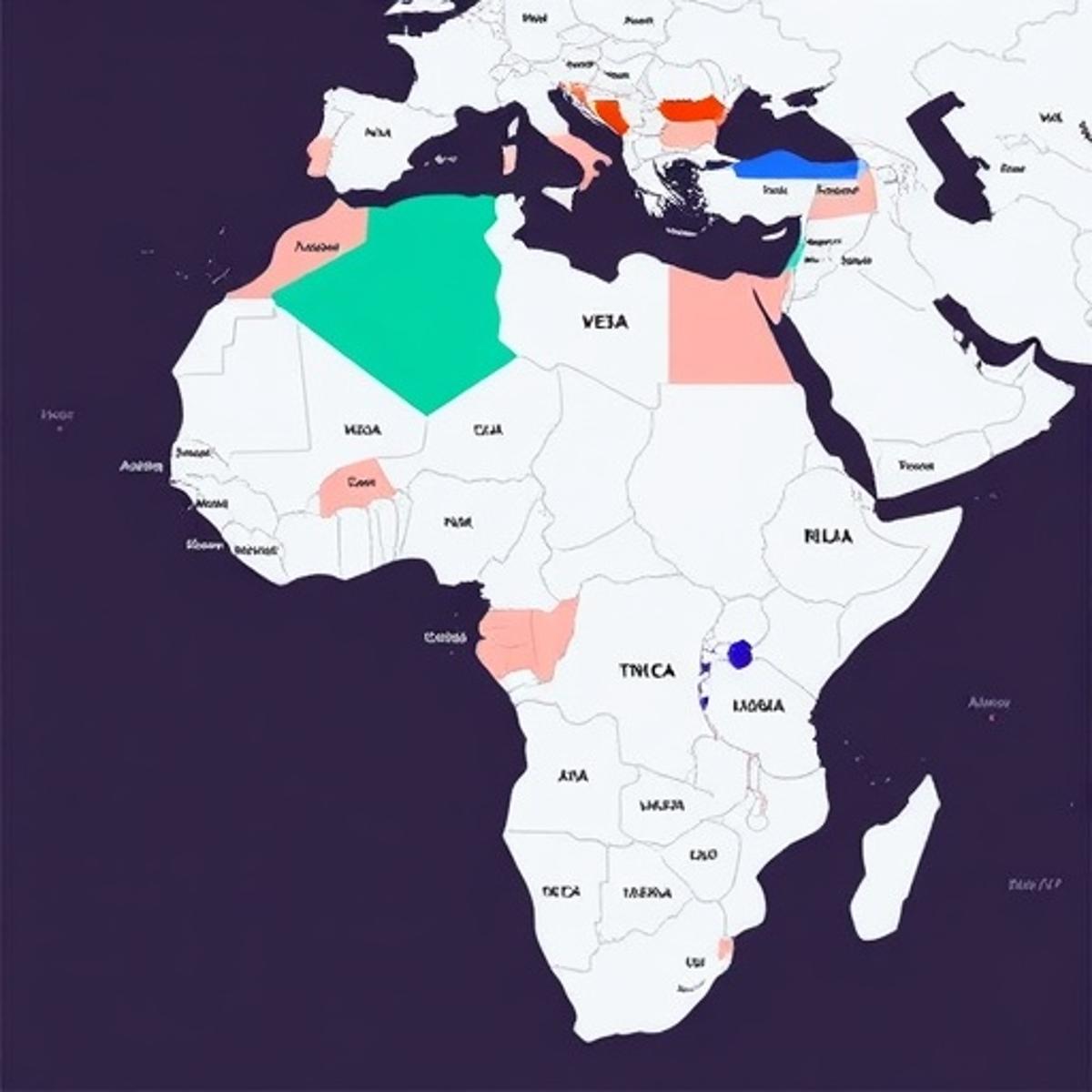
Lassa fever, a rodent‑borne viral hemorrhagic disease, remains a persistent threat in West Africa, accounting for an estimated 100,000 infections and 5,000 deaths each year. The latest global review, compiled by a coalition of academic institutions and public‑health agencies, underscores that scientific understanding of the virus is unevenly distributed. While Nigeria and Sierra Leone have modest research programs, neighboring Guinea, Liberia, and Mali suffer from sparse laboratory capacity and limited field studies, creating blind spots that hinder early warning systems.
The analysis identifies three critical deficiencies. First, funding for Lassa research is markedly lower than for Ebola or COVID‑19, limiting the development of next‑generation diagnostics and therapeutics. Second, surveillance infrastructure is concentrated in just three of the seven most affected nations, resulting in delayed case reporting that can stretch from days to weeks. Third, data‑sharing mechanisms are fragmented, preventing real‑time collaboration among scientists, clinicians, and policymakers. These gaps not only impede rapid outbreak response but also deter private‑sector investment in vaccine platforms and antiviral pipelines, as investors seek predictable regulatory and market environments.
Addressing the disparities requires a coordinated, multinational effort. The World Health Organization’s call for a unified research agenda aims to pool resources, standardize diagnostic protocols, and expand surveillance networks across the region. For biotech firms, the unmet need represents a sizable market opportunity, with projected demand for point‑of‑care tests and prophylactic vaccines potentially reaching billions of dollars globally. Strengthening Lassa research will enhance regional health resilience, reduce the risk of cross‑border transmission, and reinforce broader pandemic‑prevention strategies.
Global Lassa Virus Research Reveals Critical Knowledge Gaps and Regional Disparities
Comments
Want to join the conversation?
Loading comments...