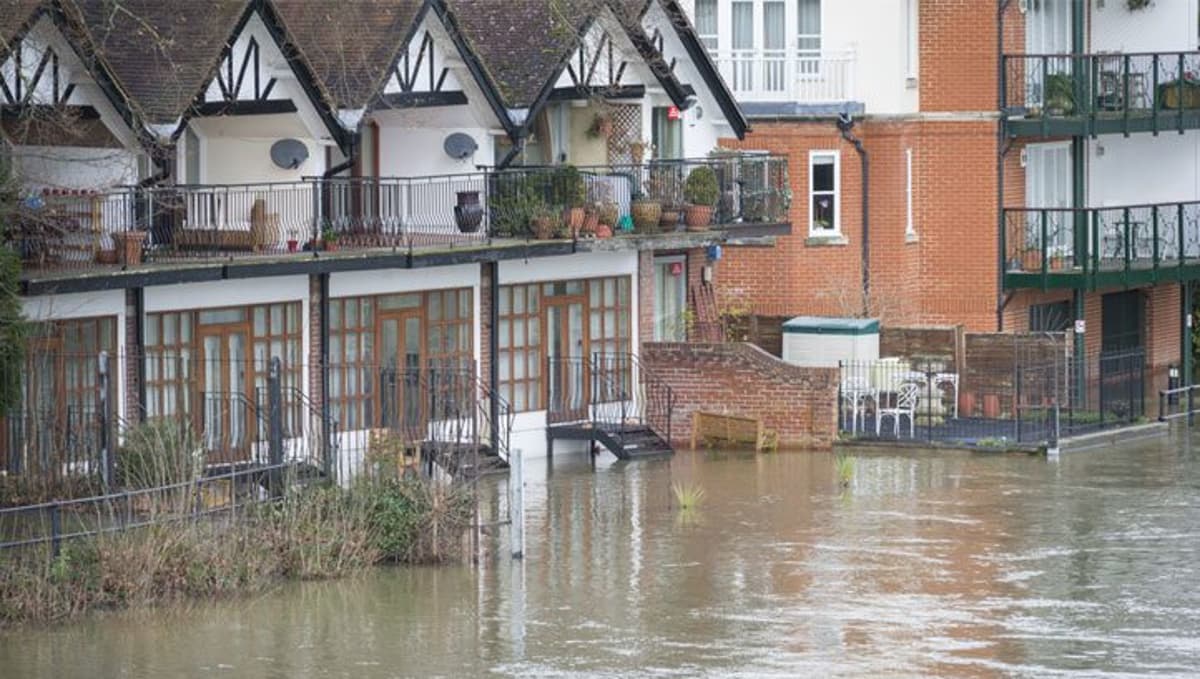
Government Failing to Prepare UK for Climate Impacts, CCC Warns
Why It Matters
Inadequate adaptation threatens the UK’s economic stability, raising costs for housing, infrastructure and insurance while exposing businesses to heightened climate‑related disruptions.
Key Takeaways
- •CCC estimates £11 bn annual adaptation investment needed.
- •Over 90% of UK homes could overheat by 2050.
- •River flows may rise up to 45% and water shortage 5 bn L/day.
- •Climate damage could cost 1‑5% of UK GDP by mid‑century.
- •Legal challenge argues adaptation plan breaches Climate Change Act.
Pulse Analysis
The Climate Change Committee’s "A Well‑Adapted UK" report underscores a stark reality: extreme weather events are no longer anomalies but the new normal across Britain. By cataloguing recent heatwaves, unprecedented floods, and record‑breaking wildfires, the CCC paints a picture of a climate system already testing the nation’s resilience. Its central recommendation—£11 bn in yearly public and private spending—places the UK alongside leading economies that are proactively financing flood defenses, heat‑resilient housing, and water‑security projects. The report’s data-driven forecasts provide a benchmark for policymakers and investors seeking to align capital with climate‑risk mitigation.
Beyond the environmental narrative, the report translates climate exposure into concrete economic terms. Projected damages of 1‑5% of GDP by 2050 translate into hundreds of billions of pounds in lost productivity, higher insurance premiums, and strained public finances. Overheating homes threaten the real‑estate market, while rising river flows jeopardize transport corridors and supply chains. For businesses, the message is clear: integrating climate adaptation into strategic planning is no longer optional but a prerequisite for safeguarding assets and maintaining shareholder value. Sectors ranging from construction to agribusiness stand to benefit from early adoption of resilient technologies and nature‑based solutions.
The political dimension adds urgency. A pending legal challenge asserts that the government's current adaptation strategy fails to meet statutory obligations under the Climate Change Act, potentially exposing the state to costly litigation. This legal pressure, combined with mounting public demand for decisive action, could accelerate policy reforms and unlock new funding streams for private‑sector participation. Companies that position themselves as climate‑adaptation leaders—through innovative insurance products, resilient infrastructure services, or sustainable water management—are likely to capture emerging market opportunities while contributing to national resilience.
Government failing to prepare UK for climate impacts, CCC warns
Comments
Want to join the conversation?
Loading comments...