Why It Matters
Thermal stress combined with dwindling prey threatens the survival of apex predators that underpin marine ecosystem health and generate significant eco‑tourism revenue. Understanding these limits is essential for shaping climate‑adapted conservation and fisheries policies.
Key Takeaways
- •Great whites need 4× more energy than cold‑blooded fish
- •Warming oceans push mesotherms beyond 62.6 °F (17 °C) limits
- •Overfishing reduces prey, compounding thermal stress for sharks
- •Shark sightings decline in South Africa, threatening eco‑tourism revenue
- •Sensor data reveal hidden heat budgets critical for marine protection
Pulse Analysis
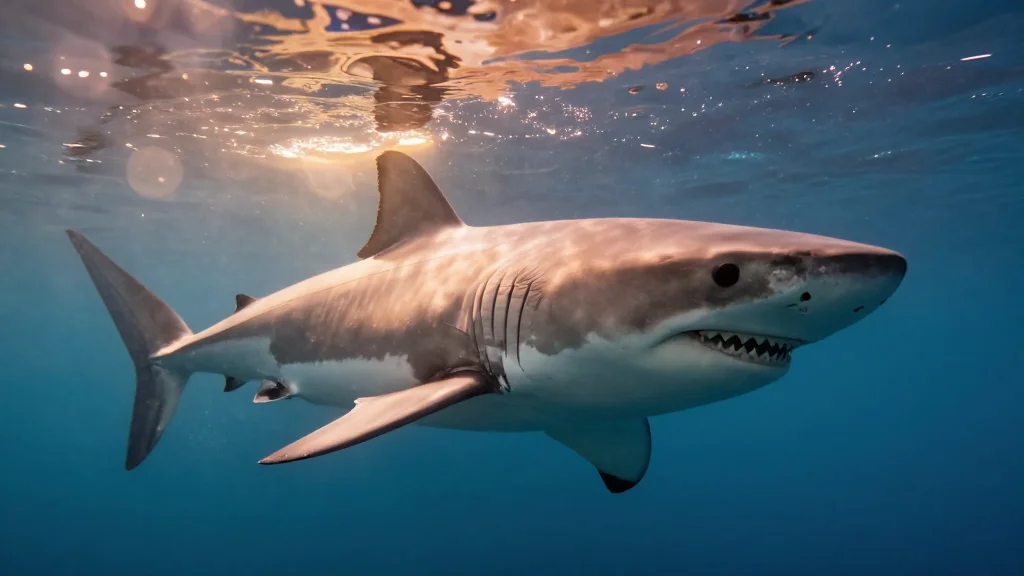
The discovery that great white sharks are approaching physiological heat limits adds a new dimension to climate‑change risk assessments for marine megafauna. While most species simply track cooler water, mesothermic predators such as great whites, basking sharks, and bluefin tuna must actively regulate internal temperature, a process that consumes disproportionate energy. As global sea surface temperatures climb, the thermal envelope suitable for these species contracts, forcing longer migrations or deeper dives that further strain already limited food resources.
Overfishing intensifies the dilemma by eroding the prey base that fuels the high metabolic rates of warm‑bodied sharks. In regions like South Africa, reduced fish stocks and by‑catch mortality have already contributed to noticeable drops in great‑white sightings, undermining a key draw for dive tourism that supports local economies. The convergence of thermal stress and prey scarcity creates a feedback loop: weaker sharks hunt less efficiently, leading to lower reproductive success and accelerating population declines.
Policy makers and conservationists can leverage the recent sensor‑derived heat‑budget data to design dynamic marine protected areas that account for shifting temperature thresholds. By integrating climate projections with fisheries management, regulators can prioritize cooler refugia and enforce stricter by‑catch limits, preserving both the ecological role of apex predators and the economic benefits they provide. Proactive, science‑driven strategies will be crucial to prevent the loss of these iconic species as oceans continue to warm.
Great White Sharks Are Overheating
Comments
Want to join the conversation?
Loading comments...