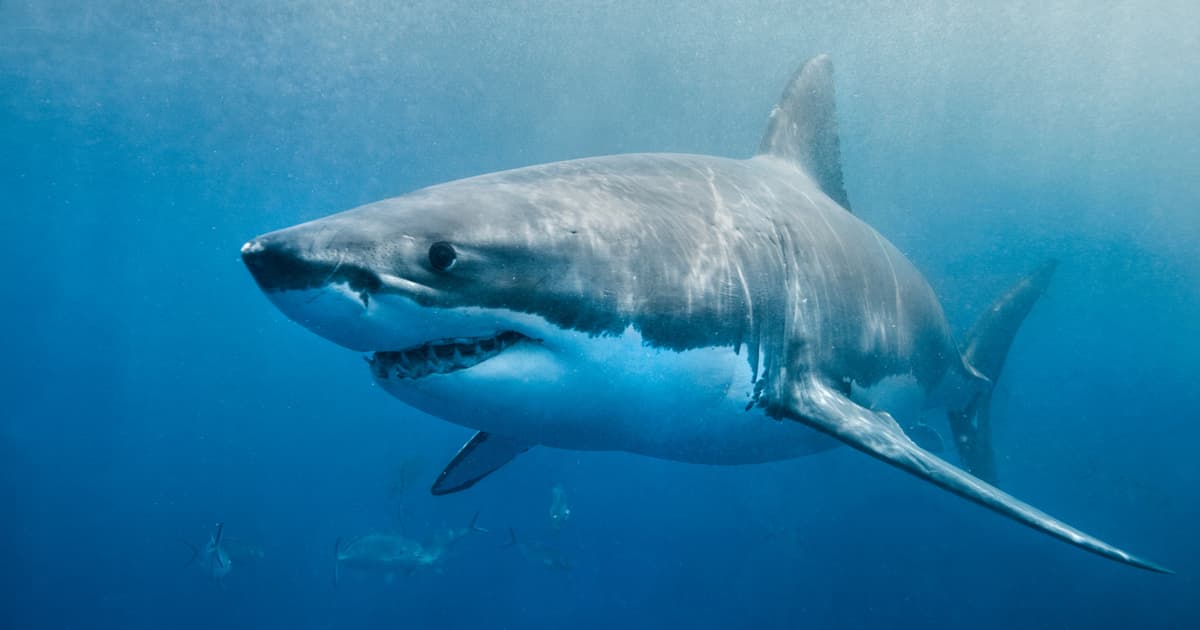
Greenland Sharks Can Live for More than 400 Years — Meaning some of the Ones Swimming the North Atlantic Today Were Alive when Isaac Newton Was — and Almost All of Them Spend Those Centuries Functionally Blind, Navigating the Deep Ocean with Parasites Permanently Attached to Their Eyes.
Why It Matters
Understanding how Greenland sharks maintain vision for centuries reshapes our view of extreme longevity and informs broader studies of sensory preservation in long‑lived organisms.
Key Takeaways
- •Greenland sharks may live up to 400 years, based on radiocarbon dating
- •New 2026 study shows their retina remains functional despite age
- •Parasite Ommatokoita elongata damages cornea but doesn't cause blindness
- •Visual preservation linked to active DNA repair pathways in shark eyes
- •Revising myth reshapes public perception of deep‑sea longevity
Pulse Analysis
The Greenland shark (Somniosus microcephalus) has long fascinated scientists and the public alike because of its extraordinary lifespan. Radiocarbon dating of eye‑lens nuclei, first reported in a 2016 Science paper, placed the species’ maximum age well beyond three centuries, with confidence intervals suggesting some individuals could have been born in the 1600s. This longevity places the shark among the world’s longest‑lived vertebrates, prompting interest in the physiological mechanisms that allow tissues to function over such timescales. The discovery that the shark’s visual system remains intact adds a new layer to that intrigue.
A 2026 investigation led by Lily Fogg and colleagues combined genomic, transcriptomic, histological, and functional analyses to assess the shark’s eyes. Contrary to the popular narrative of functional blindness, the study found healthy retinal layers, active phototransduction genes, and robust DNA‑repair pathways that likely counteract age‑related degeneration. While the copepod Ommatokoita elongata attaches to the cornea and causes localized damage, the underlying retina continues to process dim light, enabling the shark to track illumination in the deep Atlantic. This evidence underscores evolution’s tendency to preserve useful sensory organs, even in organisms that inhabit near‑total darkness.
Correcting the blindness myth has broader implications for marine biology and longevity research. It illustrates how scientific claims can become oversimplified in popular media, shaping public perception of deep‑sea life. More importantly, the shark’s ability to maintain retinal function for centuries offers a natural model for studying long‑term cellular maintenance, with potential insights for human age‑related eye diseases. Future work will likely explore the genetic basis of these repair mechanisms and assess whether similar strategies exist in other long‑lived species, opening new avenues for comparative gerontology.
Greenland sharks can live for more than 400 years — meaning some of the ones swimming the North Atlantic today were alive when Isaac Newton was — and almost all of them spend those centuries functionally blind, navigating the deep ocean with parasites permanently attached to their eyes.
Comments
Want to join the conversation?
Loading comments...