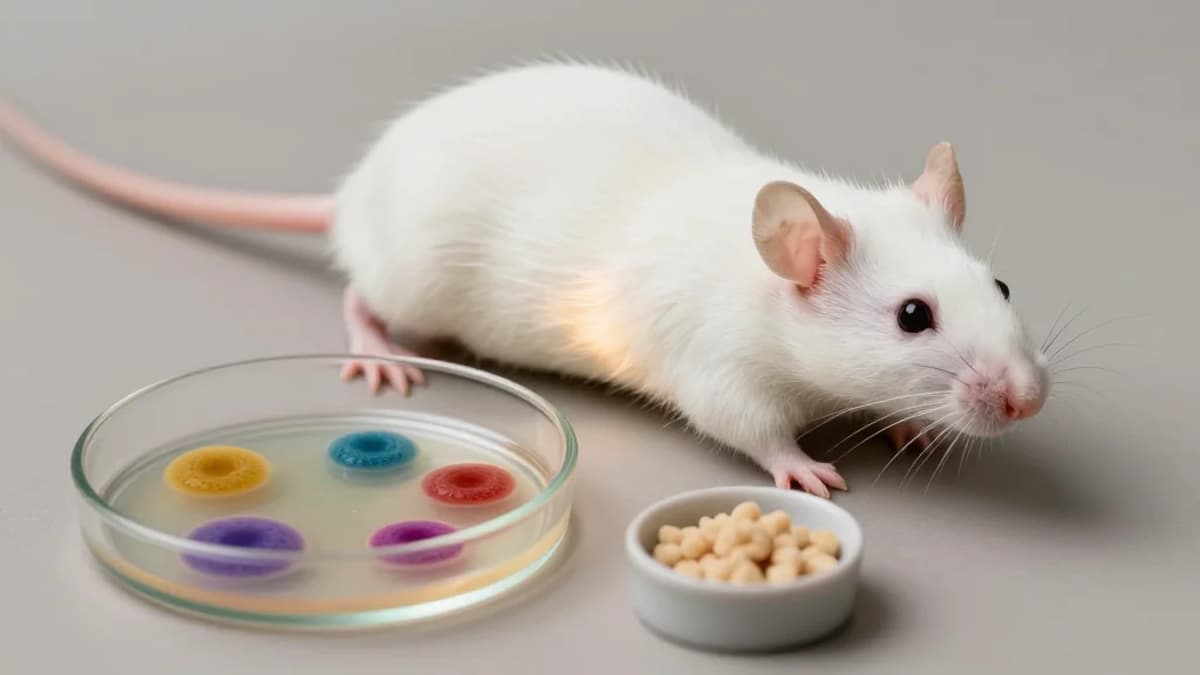
Gut Bacteria Rewire Fat Tissue to Burn More Energy
•March 4, 2026
0
Why It Matters
The discovery links diet‑microbiome interactions to fat remodeling, opening a potential avenue for obesity and diabetes treatments while underscoring the need for careful translational research.
Key Takeaways
- •Four gut bacteria trigger beige fat in low‑protein mice
- •Beige fat increase improves glucose tolerance and reduces weight gain
- •Microbiome pathways present new obesity drug targets
- •Human translation cautioned; diet protein too low
- •Researchers aim to develop mimetic compounds for therapy
Pulse Analysis
The global rise in obesity has intensified interest in the body’s natural mechanisms for energy expenditure. Brown and beige adipose tissues, unlike the energy‑storing white fat, dissipate calories as heat, offering a physiological route to weight control. Recent research has highlighted the gut microbiome as a regulator of metabolic pathways, but translating these findings into therapeutic strategies remains a challenge for biotech firms and pharmaceutical pipelines.
In a landmark study published in Nature, scientists demonstrated that mice fed a 7% protein diet and colonized with four identified bacterial strains exhibited a pronounced conversion of white fat cells into beige fat. This shift was accompanied by measurable health benefits: enhanced glucose tolerance, reduced weight gain, and lower circulating cholesterol. The bacteria sense the low‑protein environment and release molecular cues that activate brown‑fat‑like gene programs within adipocytes, effectively reprogramming the tissue’s metabolic identity.
These insights have immediate implications for drug development. Targeting the bacterial‑derived signaling molecules or the host receptors they engage could yield novel therapeutics that mimic the beige‑fat‑inducing effect without requiring drastic dietary changes. However, the study also warns against premature human application; the low‑protein regimen is unsuitable for patients, and past probiotic attempts have shown limited efficacy. Future work will focus on isolating the active metabolites, validating their safety, and designing small‑molecule analogs, positioning the microbiome as a promising frontier in the fight against metabolic disease.
Gut bacteria rewire fat tissue to burn more energy
0
Comments
Want to join the conversation?
Loading comments...