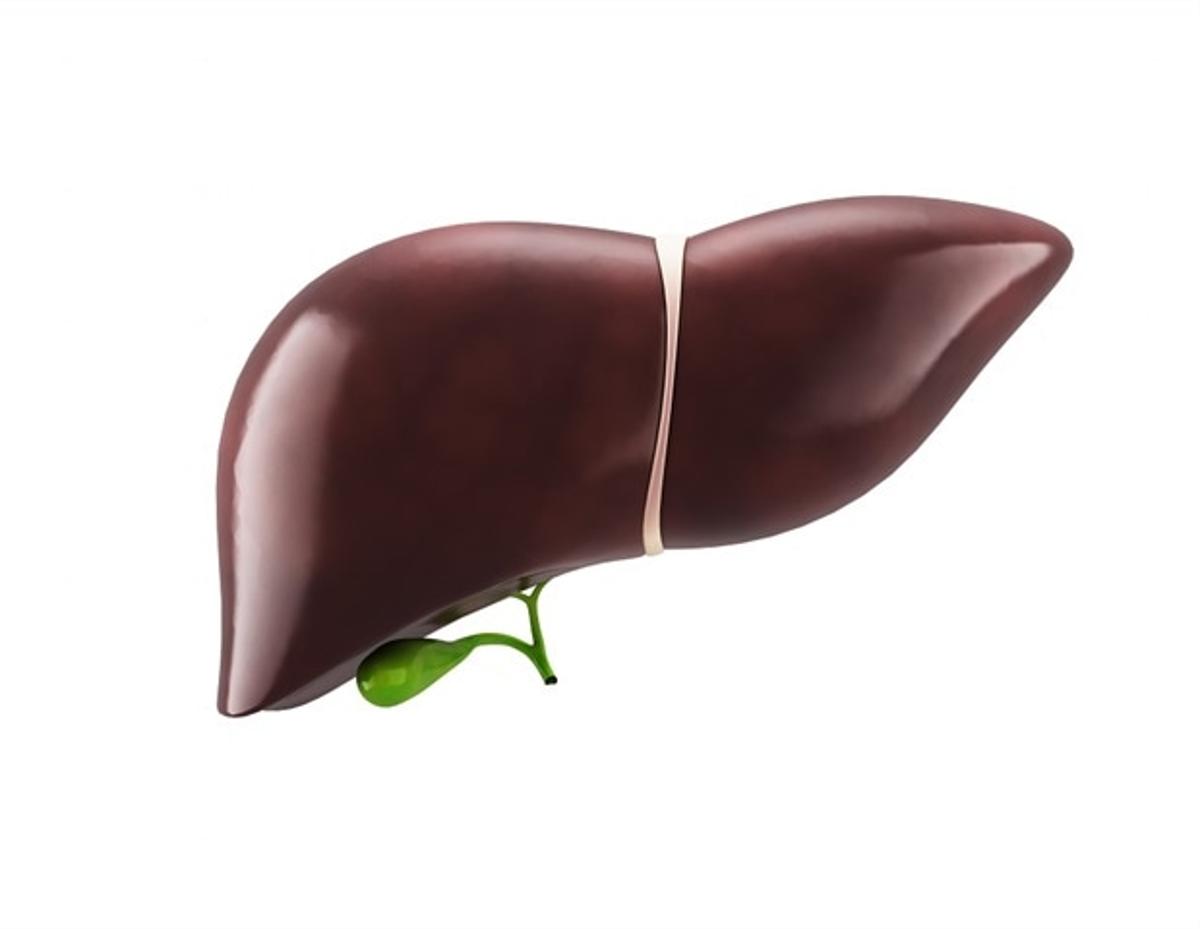
Gut Microbes Control Liver Genes by Flipping DNA Switches
Why It Matters
Linking gut‑derived signals to concrete liver gene regulators provides actionable targets for precision medicine, potentially improving diagnosis and treatment of metabolic and immune‑driven liver disorders.
Key Takeaways
- •Over 100,000 liver DNA switches screened; few active in vivo
- •Active switches linked to metabolism and immune pathways
- •Microbiome shifts alter activity of specific liver regulatory switches
- •East Asian variant heightens switch sensitivity to microbial signals
- •Findings enable precision biomarkers and gut‑targeted liver therapies
Pulse Analysis
The gut‑liver axis has long been recognized as a critical pathway in metabolic health, yet the molecular mechanisms translating microbial cues into hepatic function remained vague. Recent advances in functional genomics now allow researchers to interrogate regulatory DNA elements—short sequences that act as on/off switches for gene expression. By focusing on liver‑associated elements, scientists can pinpoint which switches truly operate in the organ’s physiological context, offering a clearer map of how external signals, such as diet‑derived metabolites, influence hepatic pathways.
In a high‑throughput study, the A*STAR team evaluated more than 100,000 candidate DNA switches using massively parallel reporter assays both in cell culture and in mouse liver tissue. Only a minority displayed activity in vivo, and these were enriched for genes governing metabolism and immune responses—core processes implicated in conditions like non‑alcoholic fatty liver disease and cirrhosis. Crucially, altering the gut microbiome reshaped the activity of a subset of these switches, and a microbe‑derived molecule was shown to directly modulate switch behavior. The discovery of an East Asian‑predominant variant that amplifies microbial sensitivity adds a genetic layer to the gut‑liver interaction, underscoring the need for population‑specific risk models.
These insights have immediate translational relevance. Identifying functional switches narrows the field of druggable targets, enabling pharmaceutical pipelines to focus on regulatory elements with proven in‑vivo relevance. Moreover, the microbiome‑responsive switches serve as a basis for novel biomarkers that could stratify patients by their likely response to gut‑focused interventions, such as probiotics, prebiotics, or fecal transplants. As precision‑medicine frameworks evolve, integrating microbiome data with regulatory genomics promises more personalized, effective strategies for managing liver disease.
Gut microbes control liver genes by flipping DNA switches
Comments
Want to join the conversation?
Loading comments...