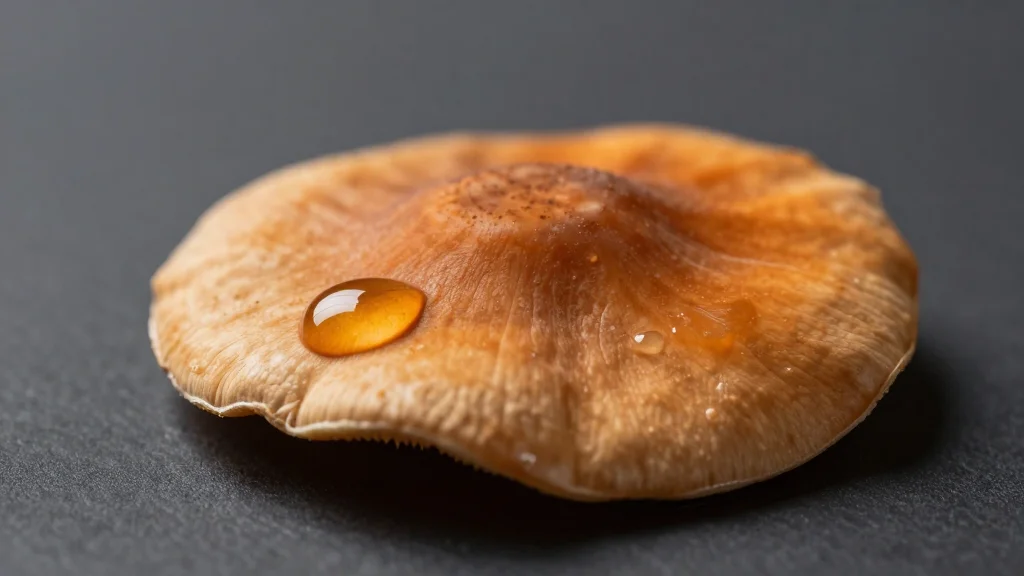
Gymnopilus Mushrooms Yield Antibacterial Gymnopilin A10, Gymnoprenol B13
Why It Matters
Gymnopilin A10 provides a natural, targeted alternative to synthetic pesticides, addressing rising resistance and environmental concerns in agriculture. Its unique structure also presents a template for new antimicrobial agents beyond plant health.
Key Takeaways
- •Gymnopilin A10 inhibits R. solanacearum at 200 µg/disk
- •Structural 3‑hydroxy‑3‑methylglutaryl moiety drives antibacterial activity
- •New gymnoprenol B13 characterized but shows no antibacterial effect
- •Findings enable bioengineering of fungal metabolites for crop protection
- •Natural antibacterials could curb pesticide use and resistance
Pulse Analysis
The bacterial wilt caused by Ralstonia solanacearum devastates tomato, potato and eggplant fields worldwide, costing billions in yield losses. Conventional control relies on copper‑based chemicals, which face growing resistance and environmental scrutiny. The recent isolation of gymnopilin A10 from the East Asian mushroom Gymnopilus orientispectabilis offers a biologically distinct weapon: a polyisoprenepolyol ester that halts the pathogen at 200 µg per disk in laboratory assays. This discovery underscores the untapped reservoir of fungal metabolites that can be repurposed as eco‑friendly biocontrol agents.
Gymnopilin A10’s potency is traced to a 3‑hydroxy‑3‑methylglutaryl side chain and a precisely tuned polyisoprenyl backbone, features absent in inactive analogues such as gymnopilin A11 or the newly described gymnoprenol B13. The clear structure‑activity relationship provides a blueprint for synthetic chemists to modify the scaffold, enhancing stability or spectrum of activity. Moreover, elucidating the biosynthetic genes in G. orientispectabilis could enable microbial or plant expression platforms, scaling production without harvesting wild mushrooms.
For growers, a mushroom‑derived antibacterial translates into reduced reliance on synthetic pesticides, aligning with tightening regulatory limits and consumer demand for sustainable produce. Commercialization pathways may include formulation as a seed coating or foliar spray, subject to registration under biopesticide guidelines. Beyond agriculture, the unique mode of action invites exploration in human medicine, where antibiotic resistance looms large. Continued interdisciplinary research—combining mycology, genomics, and formulation science—will be critical to move gymnopilin A10 from the lab bench to the field.
Gymnopilus Mushrooms Yield Antibacterial Gymnopilin A10, Gymnoprenol B13
Comments
Want to join the conversation?
Loading comments...