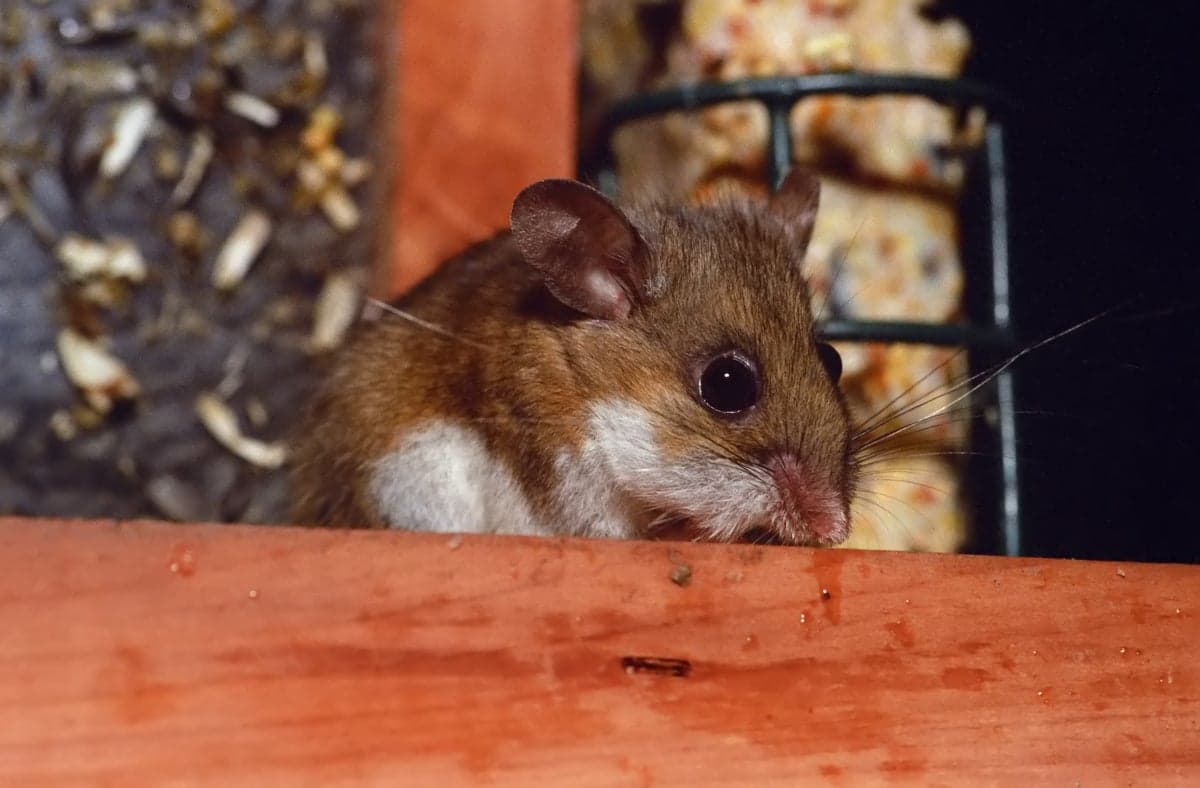
Hantavirus Found in Shocking Number of Pacific Northwest Rodents
Why It Matters
The elevated rodent infection rates raise the risk of human exposure in a region already over‑represented in U.S. hantavirus cases, underscoring a public‑health threat amplified by climate‑driven ecosystem changes. Without sustained research funding, preparedness and mitigation strategies remain limited.
Key Takeaways
- •10% of sampled rodents carried active Sin Nombre virus.
- •Nearly 30% showed evidence of past hantavirus infection.
- •Pacific Northwest accounts for 109 of 864 U.S. hantavirus cases (1993‑2022).
- •Climate‑driven vegetation growth may boost rodent populations and virus spread.
- •Funding shortfall threatens further research on hantavirus ecology.
Pulse Analysis
The recent rodent survey conducted across eastern Washington and western Idaho reveals a surprisingly high burden of Sin Nombre hantavirus in local wildlife. Out of 189 animals—including voles, mice and chipmunks—roughly one in ten tested positive for active viral RNA, while almost a third bore antibodies indicating past exposure. Published in Emerging Infectious Diseases, the work updates a decades‑old picture that had assumed low prevalence in the Pacific Northwest. By quantifying both current and historic infection, the study provides a baseline for future epidemiological monitoring.
Ecologists link this uptick to shifting climate patterns and evolving farm practices. Milder, wetter winters foster lush vegetation, which in turn supports larger rodent populations and longer breeding seasons. Simultaneously, the adoption of no‑till agriculture reduces soil disturbance, allowing rodents to remain closer to human dwellings and storage facilities. These factors create a perfect storm for increased human‑rodent contact, raising the probability of spillover events despite Sin Nombre’s inability to spread person‑to‑person. Understanding these ecological drivers is essential for targeted risk‑reduction strategies in vulnerable communities.
Public‑health officials caution that the virus’s 35‑50% case‑fatality rate demands proactive surveillance, yet the research team’s funding has already expired. Continued investment in wildlife sampling, genomic sequencing, and community outreach can inform early‑warning systems and guide mitigation measures such as habitat management and education on safe cleaning practices. The Pacific Northwest’s disproportionate share of the nation’s 864 hantavirus cases since 1993 highlights a regional gap in preparedness. Strengthening the pipeline of infectious‑disease expertise will be critical as climate change reshapes zoonotic risk across the United States.
Hantavirus found in shocking number of Pacific Northwest rodents
Comments
Want to join the conversation?
Loading comments...