Hawaii Is Turning Ocean Plastic Into Roads to Fight Pollution
Why It Matters
The project turns a persistent marine‑pollution problem into a durable infrastructure asset, offering a scalable circular‑economy solution for coastal regions facing plastic waste and high paving costs.
Key Takeaways
- •90 metric tons of ocean plastic collected for road testing
- •First U.S. project using marine debris in asphalt mixtures
- •Microplastic release comparable to conventional asphalt
- •Five new pavement mixes launched in 2024 to refine formula
- •Tropical climate may require different asphalt recipes than mainland
Pulse Analysis
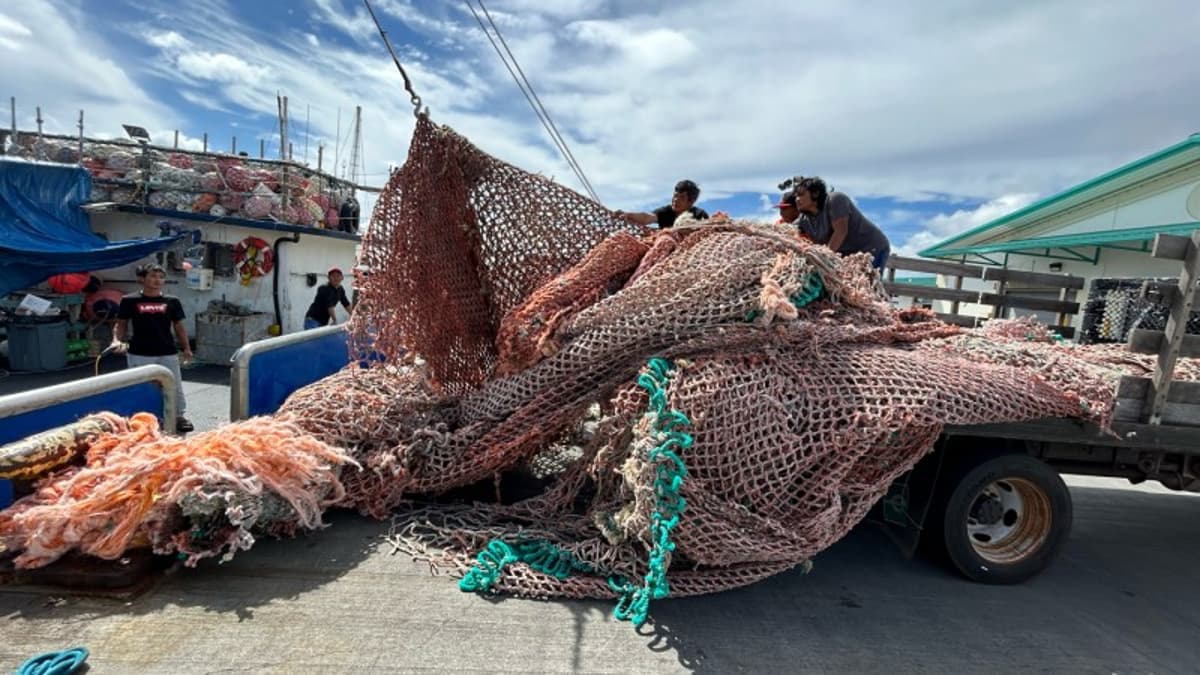
Hawaii’s isolation makes it a hotspot for marine litter, from abandoned fishing gear to debris carried by the Great Pacific Garbage Patch. In response, the Center for Marine Debris Research at Hawaii Pacific University launched the Nets‑to‑Roads program, shredding collected plastic and incorporating it into hot‑mix asphalt. To date the effort has removed roughly 90 metric tons of waste from the ocean, with more than a ton of fishing nets already embedded in a test stretch on Oahu’s Ewa Beach. The initiative aims to turn a persistent environmental problem into a durable infrastructure resource.
The research team evaluated three pavement formulations in 2022, comparing traditional asphalt, a blend with SBS rubber, and mixes that added shredded marine plastic with or without the rubber. After eleven months of exposure to simulated stormwater, laboratory analysis found no statistically significant increase in microplastic leaching relative to the control strip. A second phase in 2024 expanded to five experimental mixes, including separate net‑only and consumer‑trash blends, and introduced dichlorobenzene extraction to quantify any polymer release more precisely. Early data suggest the plastic‑asphalt composites retain structural integrity under tropical conditions.
If the findings hold, Hawaii could pioneer a circular‑economy model that other island communities and coastal states might replicate, reducing landfill pressure while offsetting the high cost of imported paving materials. However, experts caution that the islands’ heavy rains, volcanic soils, and shifting ground demand tailored asphalt recipes, a challenge that may limit immediate nationwide rollout. Policymakers and infrastructure agencies are watching the project as a test case for integrating waste‑to‑resource strategies into climate‑resilient construction, a trend likely to gain momentum as global plastic pollution intensifies.
Hawaii is turning ocean plastic into roads to fight pollution
Comments
Want to join the conversation?
Loading comments...