Why It Matters
Kleptoparasitism adds a hidden source of nest failure that can accelerate declines of native Hawaiian birds already threatened by malaria, climate change, and habitat fragmentation, prompting new conservation priorities.
Key Takeaways
- •Apapane are both most frequent nest thieves and victims
- •Around 10% of thefts target active nests, sometimes causing failure
- •Approximately 5% of nests observed collapsed after material theft
- •Theft occurs mainly between nests with overlapping canopy heights
- •Kleptoparasitism adds pressure to birds already stressed by disease and habitat loss
Pulse Analysis
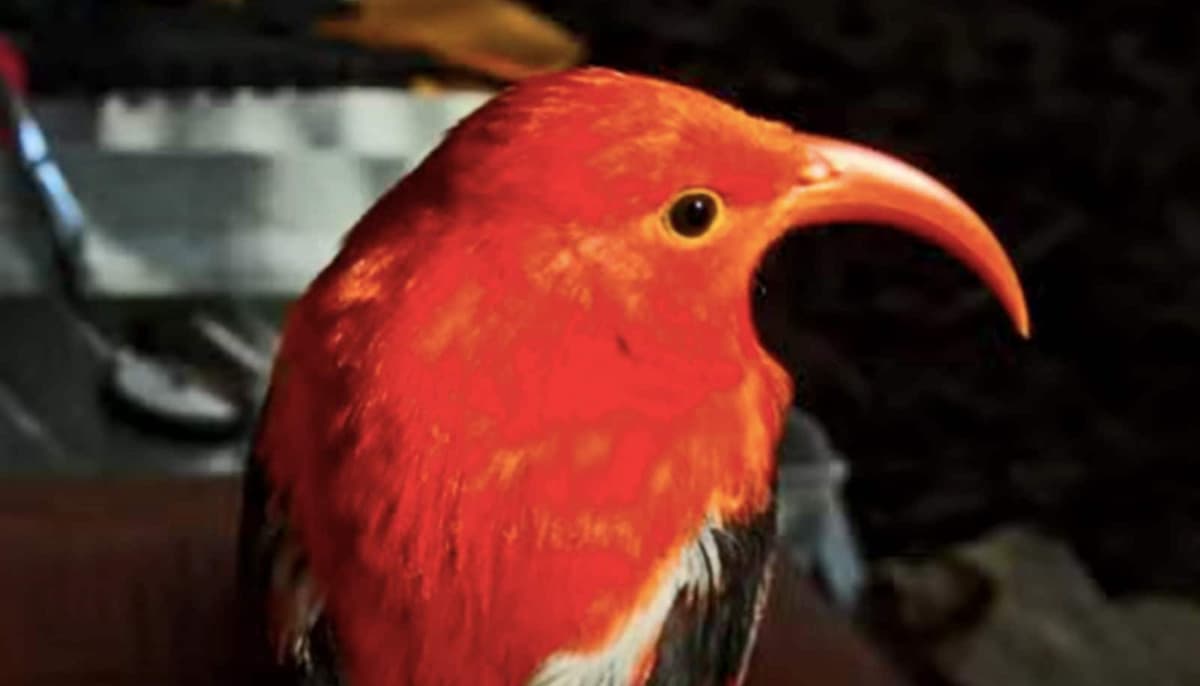
A six‑month field survey by University of California, Riverside researchers has quantified nest‑material theft among Hawaii’s native canopy birds for the first time. By monitoring more than 200 nests of species such as the scarlet i‘iwi, crimson apapane and Hawai‘i amakihi, the team identified the apapane as the dominant kleptoparasite, both stealing from and being stolen from. Most incidents involved abandoned nests, but roughly one‑in‑ten thefts targeted active nests, and about five percent of all nests subsequently failed. The findings confirm the “height‑overlap hypothesis,” linking theft to proximity of nests in the canopy.
The study’s outcomes matter because they reveal a subtle, non‑predatory threat that compounds existing pressures on Hawaii’s avifauna. Species already battling avian malaria, mosquito‑borne diseases, and shrinking high‑elevation habitats now face additional reproductive risk from intra‑specific competition for nesting material. When stolen twigs or moss carry parasites, the cost of kleptoparasitism may extend beyond structural weakness to heightened disease transmission. Conservation planners can use these insights to prioritize the protection of high‑quality nesting sites, reduce material scarcity, and design targeted interventions—such as supplemental nest kits—to buffer vulnerable populations.
Beyond immediate management, the research invites a broader reevaluation of everyday animal behaviors that may have outsized ecological impacts. Similar kleptoparasitic dynamics could be operating in other fragmented ecosystems where resources are limited. Long‑term monitoring of theft frequency, coupled with climate and land‑use models, could help predict future hotspots of nest failure. Moreover, integrating behavioral data into population viability analyses will sharpen forecasts of species trajectories under changing environmental conditions. As the Hawaiian bird community continues to adapt, understanding these hidden interactions will be essential for effective, science‑driven conservation.
Hawaiian birds are stealing from their neighbors’ nests
Comments
Want to join the conversation?
Loading comments...