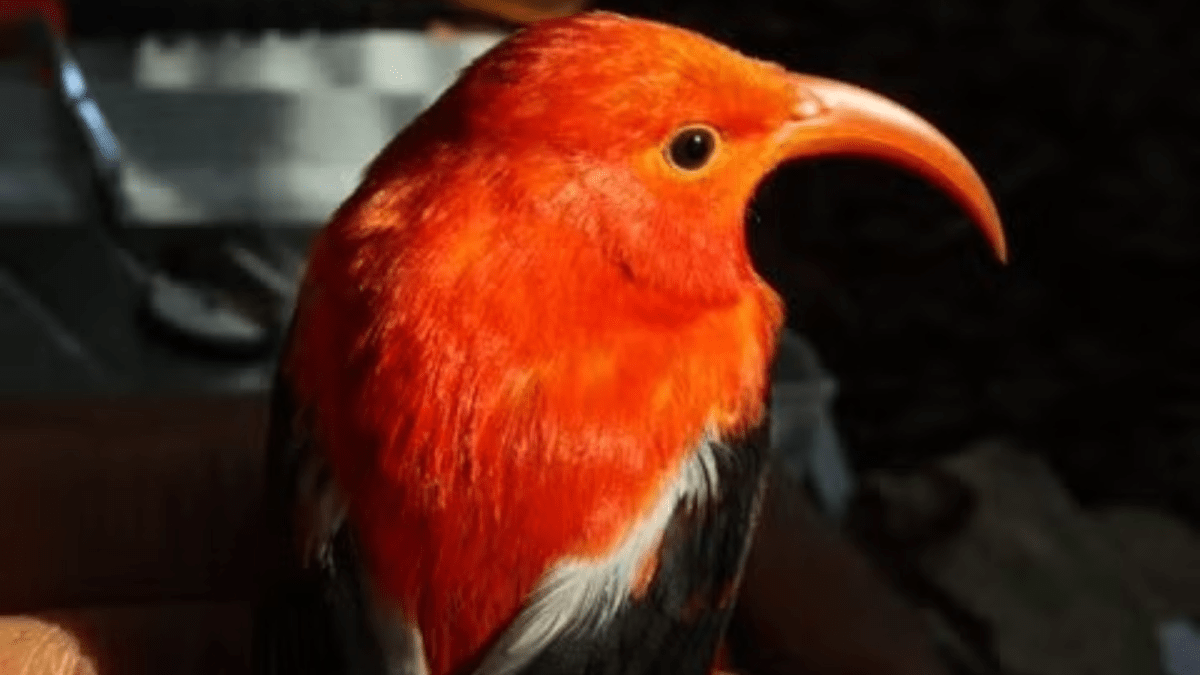
Hawaiian Forest Birds Are Stealing Each Other’s Twigs
Why It Matters
Nest‑material theft introduces an additional threat to already vulnerable Hawaiian birds, potentially accelerating population declines. Recognizing this behavior enables more precise conservation interventions in fragmented forest habitats.
Key Takeaways
- •Study examined >200 canopy nests on Hawaii’s Big Island.
- •Apapane both stole from and were stolen from most often.
- •10% of thefts involved nests with eggs or chicks.
- •5% of affected nests failed after material theft.
- •Behavior aligns with “height overlap” hypothesis for foraging proximity.
Pulse Analysis
The phenomenon of kleptoparasitism—animals stealing resources from conspecifics or competitors—has long been noted in birds of prey, but it is rarely documented among small forest passerines. A new investigation by University of California, Riverside researchers, published in *The American Naturalist*, provides the first systematic quantification of nest‑material theft among Hawaii’s native canopy birds. By monitoring more than 200 nests of apapane, i‘iwi and Hawai‘i amakihi on the Big Island, the team identified clear patterns of who steals, who loses material, and the immediate outcomes for the affected nests.
The data reveal that apapane dominate both as thieves and victims, reflecting their abundance in the remaining montane forest. Most incidents occurred between nests at similar heights, supporting the “height overlap hypothesis” that birds are most likely to pilfer material they encounter while foraging at comparable elevations. Although the majority of thefts involved abandoned nests, roughly ten percent targeted active nests and five percent resulted in nest failure, potentially exposing eggs or chicks to predation, disease vectors, or structural collapse.
These findings add a subtle but consequential pressure to Hawaiian avifauna already strained by avian malaria, habitat fragmentation, and a warming climate. Conservationists can now incorporate kleptoparasitism risk into habitat management plans, such as preserving a diversity of nesting substrates and reducing crowding in high‑elevation refuges. Monitoring theft hotspots may also serve as an early warning system for population stress, allowing targeted interventions like supplemental nest material or predator‑exclusion devices. As island ecosystems become increasingly compressed, understanding intra‑species competition will be essential for safeguarding the remaining native bird community.
Hawaiian forest birds are stealing each other’s twigs
Comments
Want to join the conversation?
Loading comments...