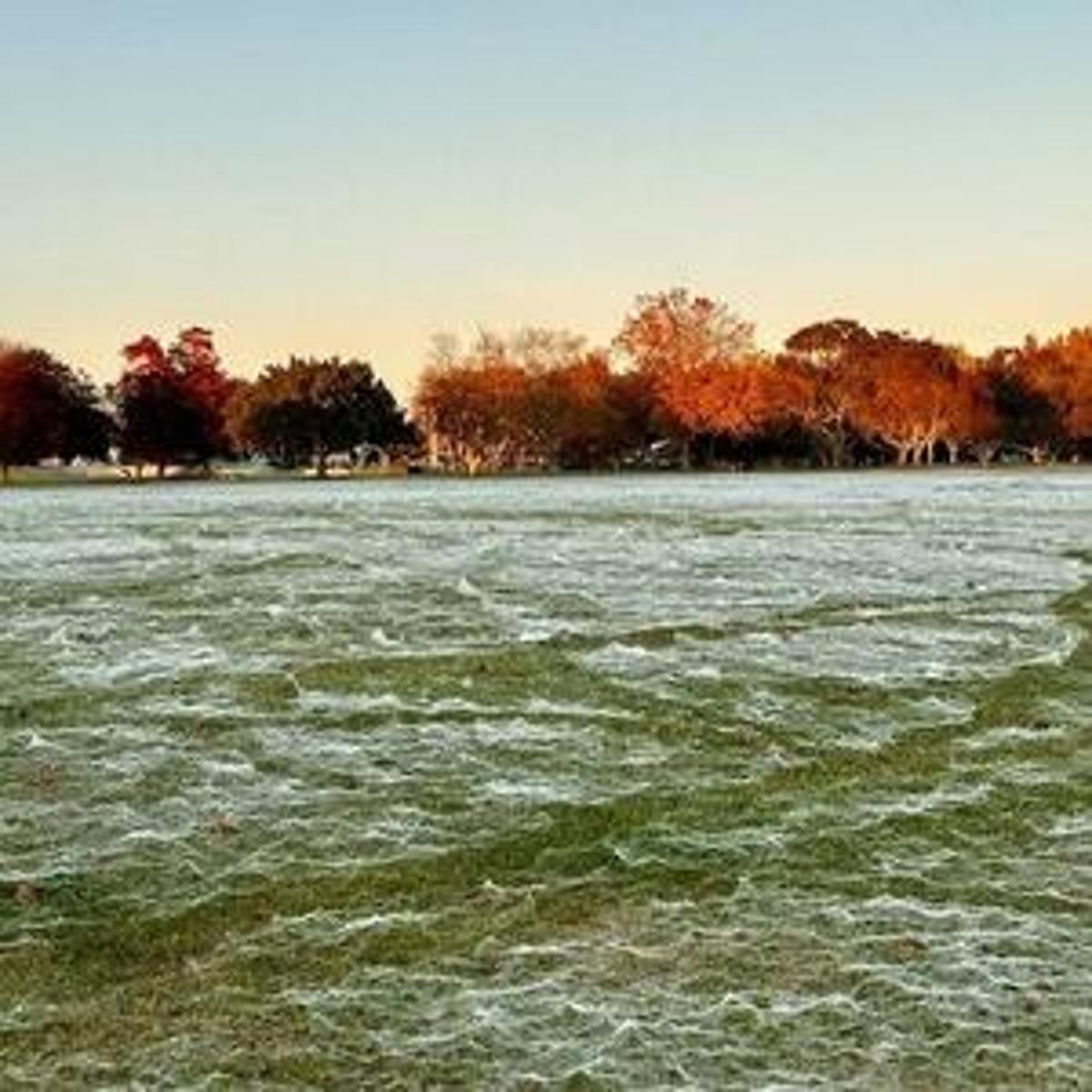
Hawke’s Bay Spiderwebs Explained: What ‘Ballooning’ Spiders Are Doing
Why It Matters
Understanding ballooning helps communities differentiate natural ecological events from pest threats, reducing unnecessary alarm. It also highlights the region’s biodiversity and can be leveraged for eco‑tourism and public education.
Key Takeaways
- •Ballooning spiders release silk threads to catch wind
- •Occurs in late summer, early autumn after rain
- •Primarily young spiders disperse to new habitats
- •Phenomenon is harmless and temporary for residents
- •Council advises it’s natural, not a pest outbreak
Pulse Analysis
Ballooning is a well‑documented dispersal strategy used by many spider species worldwide. Young arachnids climb to elevated points, spin a few silk strands, and let breezes lift them aloft, sometimes traveling kilometers. The behavior maximizes genetic mixing and colonization of fresh habitats, ensuring species resilience. While scientists have studied ballooning for decades, the visual spectacle of thousands of silken threads filling the sky remains striking, especially in urban parks like Napier’s Anderson Park.
In Hawke’s Bay, the timing aligns with the transition from summer to autumn, when warm temperatures and post‑rain humidity create optimal lift conditions. Residents initially mistook the floating webs for an invasive infestation, prompting curiosity and occasional concern. The Hawke’s Bay Regional Council’s prompt communication clarified that the event is natural and harmless, helping to calm public nerves. Such transparency not only prevents misinformation but also offers an opportunity to promote local biodiversity, potentially attracting nature‑focused tourists who appreciate unique seasonal phenomena.
Looking ahead, ballooning events may serve as informal indicators of broader climatic patterns. Changes in temperature, wind patterns, or precipitation could shift the timing or intensity of spider dispersal, offering a low‑cost proxy for environmental monitoring. Municipal planners might incorporate these insights when designing green spaces, ensuring habitats support beneficial arthropods while minimizing human‑spider friction. By embracing ballooning as both an ecological process and a community narrative, Hawke’s Bay can foster greater environmental literacy and showcase the region’s vibrant natural heritage.
Hawke’s Bay spiderwebs explained: What ‘ballooning’ spiders are doing
Comments
Want to join the conversation?
Loading comments...