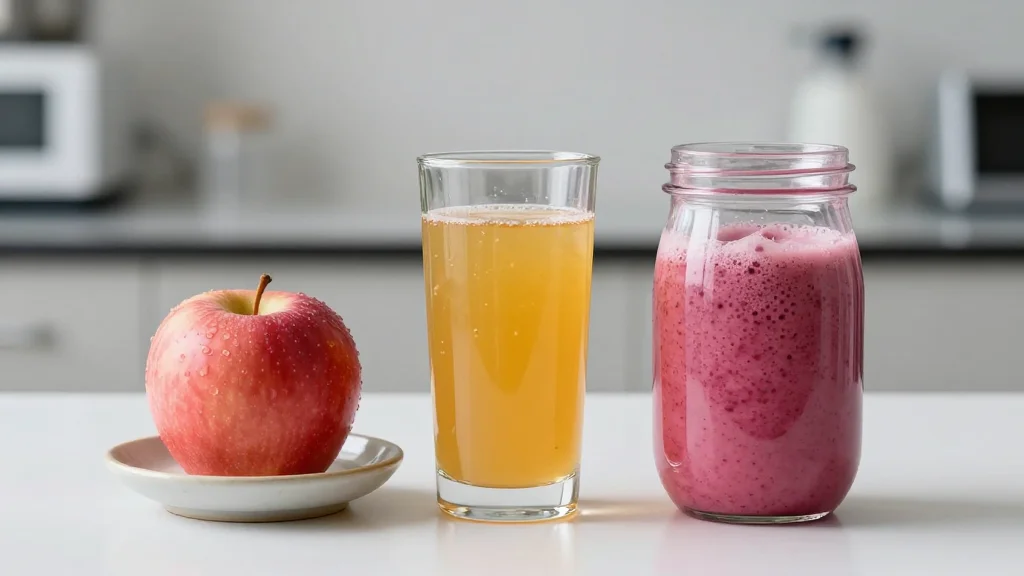
Health Associations of Various Fruit Forms: Solid Fruits, Juices, and Smoothies
Why It Matters
The findings highlight that not all fruit forms confer equal health benefits, suggesting dietary guidelines should distinguish between juices, smoothies, and whole fruit to better address chronic disease risk.
Key Takeaways
- •Fruit smoothies linked to lower hypertension and BMI
- •Fruit juices associated with higher diabetes and cholesterol rates
- •Low fruit consumers show poorest overall health metrics
- •Smoothies improve mental health and reduce medication use
- •Study suggests guidelines should differentiate fruit forms
Pulse Analysis
Current dietary recommendations often treat all fruit forms as interchangeable, yet the surge in non‑communicable diseases demands more nuanced guidance. While whole fruits are praised for fiber and micronutrients, the market increasingly offers 100 % fruit juices and blended smoothies. Understanding how each format influences health outcomes is essential for clinicians, policymakers, and consumers seeking evidence‑based nutrition strategies.
The Sacramento‑based survey revealed striking contrasts: smoothie drinkers reported the lowest hypertension prevalence (18.6 %) and the most favorable body‑mass index (22.7 kg/m²), alongside higher self‑rated energy and sleep quality. In contrast, juice consumers faced a dramatic 58.8 % diabetes prevalence and the highest cholesterol rates (39.2 %). These patterns likely stem from the retained fiber and slower glycemic response in smoothies versus the fiber‑free, high‑sugar profile of juices. Moreover, the mental‑health advantage observed among smoothie users suggests broader psychosocial benefits tied to nutrient density and possibly healthier lifestyle clusters.
For public‑health policy, the data argue for revising guidelines to separate fruit forms rather than lumping them together. Encouraging whole‑fruit or smoothie consumption while limiting juice intake could reduce cardiovascular and metabolic risk at the population level. Future longitudinal studies with objective biomarkers are needed to confirm causality, but practitioners can already advise patients to prioritize fiber‑rich fruit formats. Consumers should also be aware that portion size and added ingredients matter; a plain, 100 % fruit smoothie offers distinct advantages over sweetened juices or blended drinks with dairy additives.
Health associations of various fruit forms: solid fruits, juices, and smoothies
Comments
Want to join the conversation?
Loading comments...