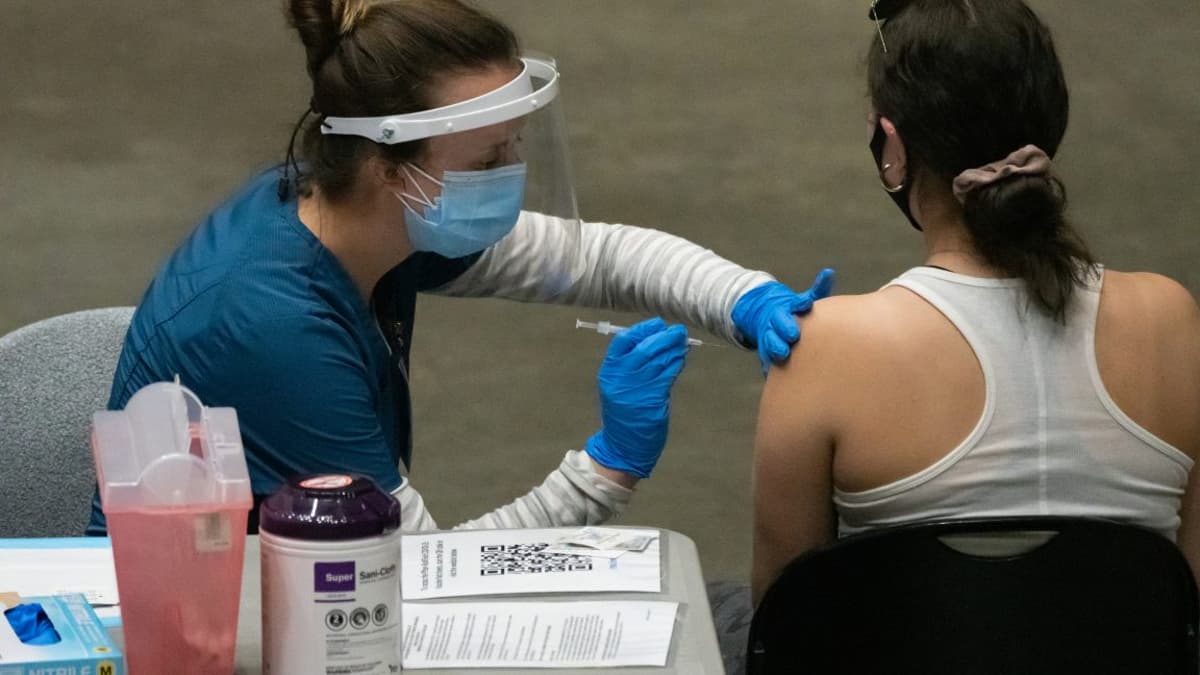
Heart Protection From COVID Shots Remains Amid Updates, Study Finds
Companies Mentioned
Why It Matters
The data underscores that updated COVID‑19 boosters provide measurable heart‑protective benefits, reinforcing their value in an aging population and informing public‑health vaccination strategies.
Key Takeaways
- •Vaccines cut COVID-related MACE risk by 38% in VA cohort
- •Benefit strongest for adults 75+ and those with comorbidities
- •Study estimates 2,370 MACE events averted per million vaccinated
- •Booster uptake remains low, under 23% for seniors
Pulse Analysis
The recent JAMA Internal Medicine publication leverages electronic health records from the Veterans Affairs system to quantify cardiovascular protection offered by the latest COVID‑19 booster. By comparing over 1 million veterans who received both flu and COVID shots against a control group with flu shots alone, the researchers identified a 38% relative reduction in major adverse cardiovascular events. While the absolute risk drop appears modest—5 to 3 cases per 10,000—the extrapolated impact translates to thousands of prevented heart attacks, strokes, and deaths, especially among the most vulnerable seniors.
These findings arrive at a critical juncture as booster coverage stalls below 23% for adults over 65. Public‑health officials can leverage the heart‑health narrative to counter vaccine fatigue and politicized skepticism, emphasizing tangible health outcomes beyond infection prevention. However, the study’s demographic skew toward older, White, male veterans limits generalizability, prompting a need for broader population analyses. Effective communication strategies, including targeted social‑media outreach, could amplify the evidence and encourage higher uptake among high‑risk groups.
For the pharmaceutical and health‑insurance sectors, the data reinforces the economic case for continued booster promotion. Reduced cardiovascular events can lower downstream medical costs and improve quality‑adjusted life years, aligning with value‑based care models. Moreover, the demonstrated ancillary benefits may influence future vaccine development, encouraging formulations that address both viral and cardiovascular risks. As policymakers grapple with vaccine mandates and funding, robust, multi‑dimensional evidence like this study will be pivotal in shaping balanced, evidence‑driven health policies.
Heart protection from COVID shots remains amid updates, study finds
Comments
Want to join the conversation?
Loading comments...