Heat Accelerates Shift to Smarter Farming in MENA Region
Why It Matters
Heat‑driven yield losses and labor constraints threaten the viability of traditional agriculture, prompting urgent investment in resilient farming solutions across the MENA region.
Key Takeaways
- •Heat above 30 °C sharply cuts crop productivity
- •Farm workers face unsafe outdoor conditions for large parts of the year
- •Saudi Arabia accelerates adoption of water‑efficient, climate‑resilient technologies
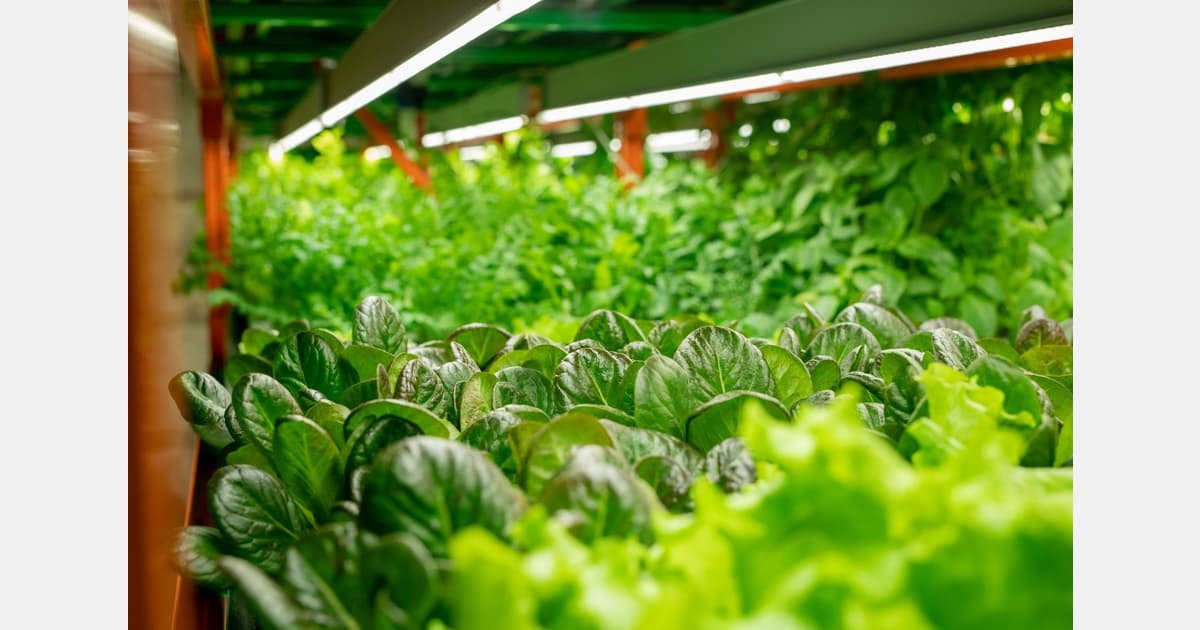
- •Controlled‑environment agriculture gains traction as a climate adaptation strategy
Pulse Analysis
The latest FAO‑WMO assessment underscores that rising temperatures are no longer a seasonal inconvenience but a systemic risk multiplier for agriculture. In the MENA region, where arid conditions already strain water supplies, heat intensifies drought cycles and erodes soil health, pushing productivity thresholds lower. By quantifying the temperature‑yield curve—showing steep declines once daily highs cross 30 °C—the report provides a data‑driven alarm for policymakers and agribusinesses alike, highlighting the urgency of climate‑smart interventions.
Saudi Arabia exemplifies the frontline of this transition. With summer temperatures regularly topping 45 °C and limited freshwater reserves, the kingdom is fast‑tracking investments in drip irrigation upgrades, solar‑powered desalination, and greenhouse farming that decouples production from outdoor climate extremes. These technologies not only preserve yields but also extend the viable working window for laborers, mitigating health risks associated with heat stress. The shift is supported by government incentives and private‑sector partnerships aimed at building a resilient agri‑value chain that can thrive under extreme heat.
For investors and industry stakeholders, the move toward smarter farming in the Middle East opens new market opportunities in ag‑tech, water‑management solutions, and renewable energy integration. As climate models predict further temperature spikes, demand for controlled‑environment agriculture—vertical farms, hydroponics, and climate‑controlled greenhouses—is set to rise sharply. Companies that can deliver scalable, cost‑effective solutions will likely capture a growing share of a market driven by both food security imperatives and climate adaptation policies. The region’s proactive stance may serve as a blueprint for other heat‑vulnerable economies worldwide.
Heat accelerates shift to smarter farming in MENA region
Comments
Want to join the conversation?
Loading comments...