‘Heat Batteries’ Leave Some City Blocks Scorched
Companies Mentioned
Why It Matters
The growing heat disparity amplifies health risks for low‑income and minority residents, while escalating energy demand strains already‑stretched municipal budgets. Effective local action now determines whether cities can protect vulnerable populations as climate change intensifies.
Key Takeaways
- •Houston volunteers logged real‑time temperature data, confirming heat islands in dense areas
- •NOAA’s 2016‑2024 mapping funded by federal agencies now faces budget cuts
- •NYC aims for 30% tree canopy under its Urban Forest Plan
- •Houston targets carbon neutrality by 2050, projecting 74 extreme‑heat days annually
Pulse Analysis
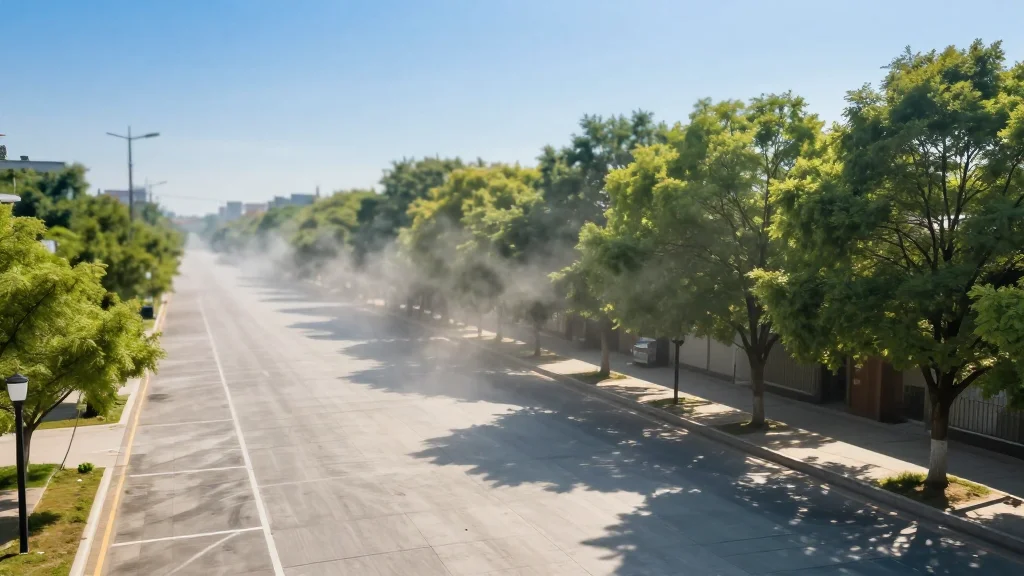
Urban heat islands are a by‑product of modern city design, where asphalt, steel and glass absorb solar energy and release it after sunset, creating "heat batteries" that raise nighttime temperatures. Scientists like Luis Ortiz explain that this effect is magnified in neighborhoods lacking green space, a pattern documented by citizen scientists in Houston who attached sensors to car windows in 2024. Their findings align with a decade of NOAA‑backed heat‑mapping that shows low‑income and communities of color disproportionately bear the brunt of rising temperatures, a disparity that worsens as federal climate‑research funding dwindles.
Mitigation strategies now focus on greening the urban fabric. New York’s forthcoming Urban Forest Plan targets a 30% tree canopy, leveraging state grants to plant and maintain street trees that provide shade and evaporative cooling. Houston’s climate‑resilience roadmap, tied to its 2050 carbon‑neutrality goal, tracks tree‑planting progress and anticipates a jump from ten to 74 days per year with heat‑index values above 105. However, both cities confront fiscal constraints: maintaining drought‑stressed trees and retrofitting roofs with reflective materials require sustained investment, and underfunded parks departments risk stalling progress.
The stakes extend beyond comfort. Elevated heat exposure correlates with higher rates of heatstroke, especially among Black residents in New York who die at twice the rate of white peers. Increased air‑conditioner use spikes electricity demand, inflating utility bills for already vulnerable households. As climate projections forecast an additional 15‑52 hot days by mid‑century, city leaders must prioritize equitable cooling solutions—such as expanding cooling centers and incentivizing energy‑efficient appliances—to safeguard public health and curb energy costs. The success of these initiatives will shape the resilience of America’s urban centers in a warming world.
‘Heat Batteries’ Leave Some City Blocks Scorched
Comments
Want to join the conversation?
Loading comments...