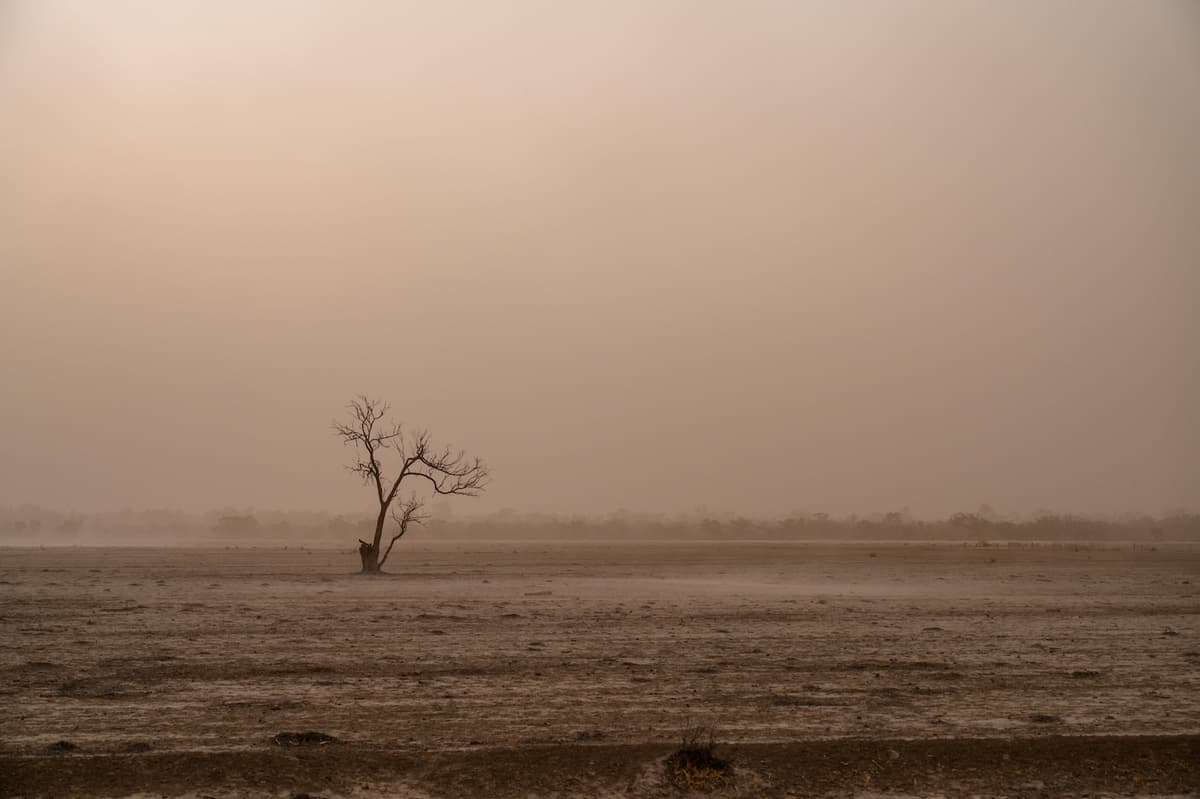
Heatwaves Driving Recent ‘Surge’ in Compound Drought and Heat Extremes
•March 6, 2026
0
Why It Matters
The rise of heatwave‑driven compound extremes threatens agriculture, ecosystems and public health, demanding urgent adaptation and risk‑assessment reforms.
Key Takeaways
- •Heatwave‑led CDHE area doubled since 2000
- •Spatial extent rose 110% vs 59% for drought‑led
- •Global temperature threshold 14.3 °C triggered rapid increase
- •Stronger land‑atmosphere feedbacks amplify heat‑drought cycles
- •Impacts include wildfires, crop losses, severe health crises
Pulse Analysis
The convergence of drought and heatwaves—known as compound drought‑heat extremes (CDHEs)—has moved from a peripheral curiosity to a dominant feature of the global climate system. A recent analysis published in Science Advances, covering 1980‑2023, reveals that the land area experiencing these events has risen sharply, with heatwave‑initiated CDHEs more than doubling in the past two decades. While rising temperatures provide a baseline, the authors argue that the acceleration cannot be attributed to warming alone; instead, evolving land‑atmosphere interactions have amplified the likelihood that a scorching spell will deplete soils and trigger drought conditions.
The study pinpoints a critical temperature threshold—approximately 14.3 °C global mean—crossed around the year 2000, after which the sensitivity of CDHEs to warming surged eightfold. This regime shift reflects tighter feedback loops: dry soils reduce evaporative cooling, allowing surface temperatures to climb, while intense sunshine accelerates moisture loss, creating a self‑reinforcing cycle. Spatial analysis shows the highest frequencies in northern South America, the southern United States, eastern Europe, central Africa and South Asia, regions already vulnerable to food insecurity and wildfire. The predominance of heatwave‑led events (110 % growth) underscores the need to monitor blocking high‑pressure patterns that sustain prolonged heat.
From a risk‑management perspective, the expanding footprint of CDHEs demands a rethink of climate resilience strategies. Agricultural planners must integrate short‑term heat forecasts with soil‑moisture monitoring to safeguard yields, while fire agencies should factor in the heightened probability of heat‑driven droughts when allocating resources. The study’s daily‑resolution methodology offers a valuable tool for early warning systems, capable of delivering ten‑day forecasts in many basins. Policymakers, insurers and investors alike should incorporate the sequence of drought and heatwave into exposure models, ensuring that mitigation measures—such as water‑saving irrigation, heat‑wave shelters, and forest management—are calibrated to this emerging compound threat.
Heatwaves driving recent ‘surge’ in compound drought and heat extremes
0
Comments
Want to join the conversation?
Loading comments...