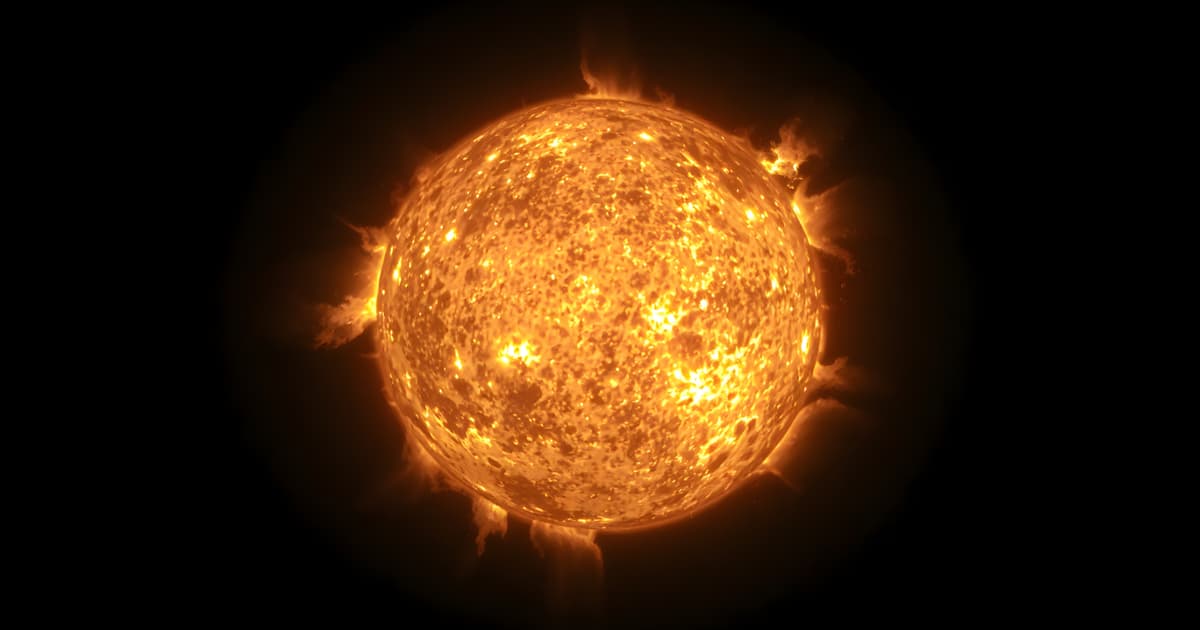
Helium Was Discovered on the Sun 27 Years Before Anyone Found It on Earth — Spotted as an Unexplained Yellow Line in Sunlight During an 1868 Eclipse and Named After Helios, the Greek Sun God, Long Before the Gas Was Identified in Any Mineral on This Planet.
Why It Matters
The episode showcases spectroscopy’s power to reveal unseen elements, bridging astronomy and chemistry, and set a precedent for space‑based discovery of materials before they are found on Earth.
Key Takeaways
- •Helium’s yellow spectral line first recorded during an 1868 solar eclipse
- •Lockyer named the element helium after the Greek sun god Helios
- •Earthly detection occurred in 1882 in Vesuvius lava, confirming the line
- •William Ramsay isolated helium gas in 1895, making it a lab substance
- •Helium’s Earth scarcity results from its light, non‑reactive nature and atmospheric loss
Pulse Analysis
The 1868 solar eclipse provided the first glimpse of helium, a new element identified solely by its spectral fingerprint. At a time when spectroscopy was barely a decade old, Pierre Janssen’s observation of a bright yellow line at 587.5 nm sparked curiosity across Europe. Norman Lockyer, working independently, recognized the line’s deviation from known sodium signatures and boldly proposed a celestial element, coining the name helium after Helios. This interdisciplinary leap illustrated how astronomical tools could pre‑empt chemical discovery, reshaping scientific methodology.
Why did helium appear in the Sun long before Earth? The Sun’s chromosphere, a searing plasma, radiates helium’s characteristic line with unmatched intensity, essentially broadcasting the element across space. On Earth, helium is exceptionally scarce; it forms no stable minerals and, being lighter than air, escapes the planet’s gravity after being produced by radioactive decay underground. Consequently, 19th‑century chemists lacked a convenient terrestrial sample to analyze, delaying detection until Luigi Palmieri identified the same spectral line in Vesuvius lava in 1882. It wasn’t until William Ramsay isolated pure helium from a uranium‑rich mineral in 1895 that the gas moved from a spectral curiosity to a laboratory staple.
The helium story underscores a broader lesson for modern science: celestial observations can precede and guide terrestrial research. Today, astronomers routinely infer the composition of exoplanet atmospheres and distant nebulae, often discovering elements or compounds before they are synthesized on Earth. Helium’s journey—from a yellow line in sunlight to a critical resource for cryogenics, medical imaging, and aerospace—highlights the enduring value of cross‑disciplinary collaboration and the predictive power of spectroscopy in expanding the frontier of material knowledge.
Helium was discovered on the Sun 27 years before anyone found it on Earth — spotted as an unexplained yellow line in sunlight during an 1868 eclipse and named after Helios, the Greek sun god, long before the gas was identified in any mineral on this planet.
Comments
Want to join the conversation?
Loading comments...