Companies Mentioned

NASA
Why It Matters
Peak visibility provides a rare, high‑impact public astronomy event that can boost local tourism and drive engagement with space‑science outreach. Understanding timing and conditions helps enthusiasts maximize the experience despite lunar interference.
Key Takeaways
- •Peak viewing window: May 5‑6 2024, up to 50 meteors/hour
- •Meteors travel ~40 miles/second, creating bright, lingering trails
- •Best viewing requires dark site, 20‑30 min eye adaptation
- •Bright Moon may obscure fainter meteors during peak
- •Eta Aquarids originate from Halley’s comet debris, active mid‑April to late May
Pulse Analysis
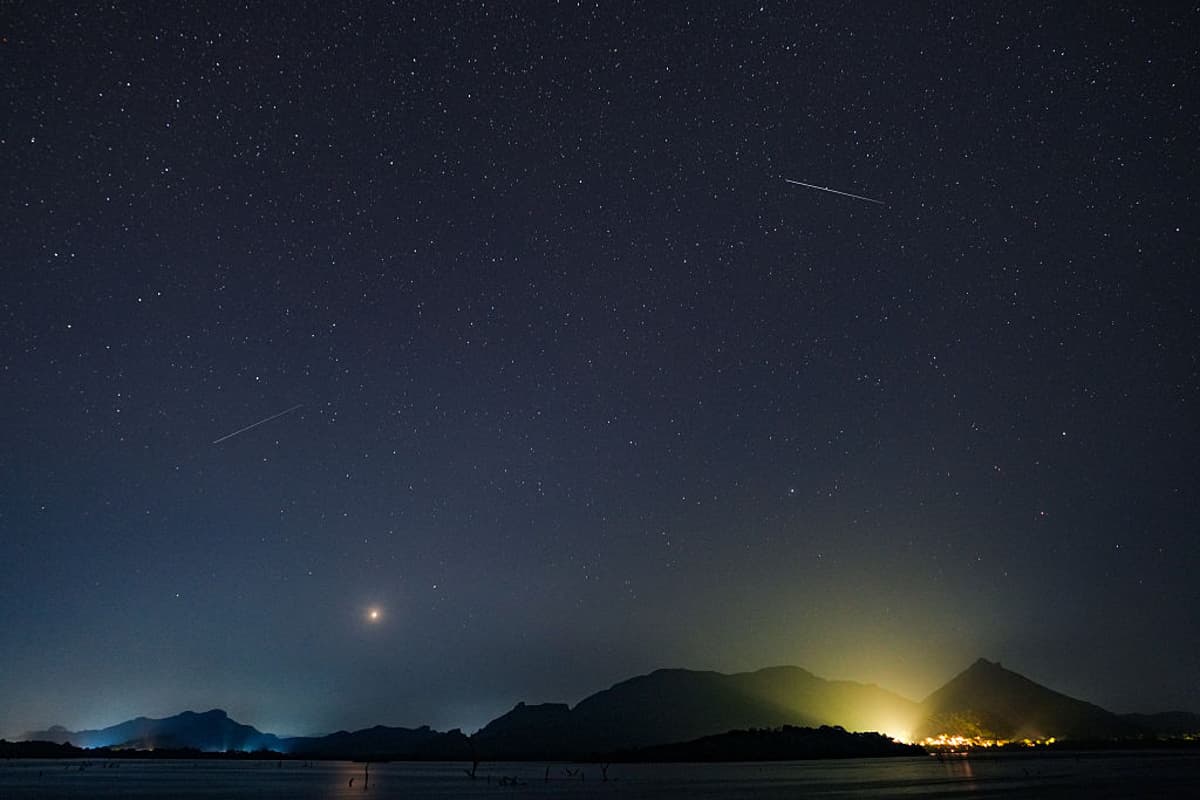
The Eta Aquarid meteor shower, one of the year’s most prolific displays, reaches its zenith on the night of May 5‑6. While the average night yields only a handful of shooting stars, this shower can produce as many as fifty per hour, thanks to Earth plowing through a dense stream of particles shed by Halley’s comet. The meteors’ extreme velocity—about 40 miles per second—creates vivid, lingering trails that captivate both casual observers and seasoned astronomers.
For optimal viewing, experts stress the importance of escaping urban light pollution. A dark field, park, or coastal bluff allows the eye to adjust fully, typically requiring 20‑30 minutes of unassisted observation. Smartphone apps now offer real‑time sky maps, helping users locate the radiant point and track peak activity. However, the moon’s bright phase this year poses a challenge, potentially washing out the fainter meteors and reducing overall counts.
Beyond the spectacle, the Eta Aquarids present economic opportunities for regions with clear, dark skies. Local businesses can market “meteor‑watch” packages, pairing guided stargazing with hospitality services. Such events also reinforce public interest in space science, aligning with NASA’s outreach goals and encouraging participation in citizen‑science projects that track meteor trajectories. By timing visits to the peak window and mitigating lunar glare, enthusiasts can fully experience one of nature’s most dynamic celestial shows.
Here’s How to Best Watch the Eta Aquarid Meteor Shower
Comments
Want to join the conversation?
Loading comments...