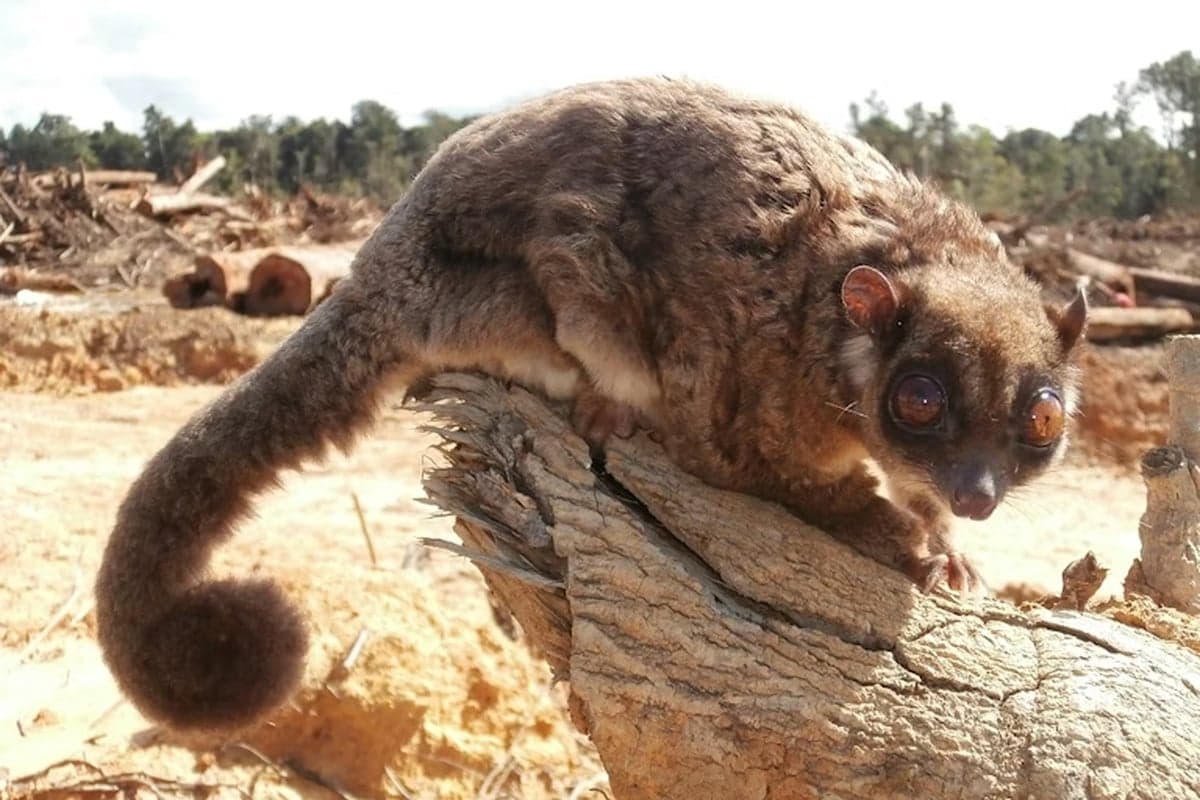
Heritage Expeditions Plays Crucial Role in Professor Tim Flannery’s Rediscovery of a Marsupial Extinct for 6,000 Years
Why It Matters
The rediscovery proves that private expedition tourism can directly enable breakthrough biodiversity research, reinforcing the business case for conservation‑focused travel. It also opens the door to further unknown species in the region, amplifying scientific and ecological stakes.
Key Takeaways
- •Heritage Expeditions provided logistics for Tim Flannery’s Ring‑tailed Glider hunt
- •The rediscovered marsupial, Tous ayamaruensis, was thought extinct 6,000 years
- •Expedition cruises enable real‑time citizen‑science participation for paying guests
- •Heritage’s NZ$80 million (≈US$48 million) restoration project showcases its conservation commitment
- •New discoveries may emerge from Indonesia’s Vogelkop Peninsula jungles
Pulse Analysis
The Ring‑tailed Glider’s emergence from the fossil record is a textbook example of a "Lazarus taxon"—a species presumed dead for millennia that reappears under the right conditions. Tim Flannery’s decade‑long quest culminated on Misool Island, where Heritage Expeditions’ small‑ship platform allowed researchers to reach isolated habitats inaccessible by conventional means. The find not only adds a new genus to New Guinean marsupial taxonomy but also validates the scientific merit of integrating tourism with field biology.
Heritage Expeditions leverages its family‑run, conservation‑centric model to turn luxury travel into a citizen‑science engine. Guests aboard the Indonesian Explorer voyages receive real‑time updates, sometimes even witnessing live specimen documentation. This immersive approach creates a revenue stream that funds further research while satisfying affluent travelers seeking purpose‑driven experiences. Moreover, the company’s logistical expertise—navigating rugged coastlines, coordinating with local elders, and managing field equipment—reduces operational costs for scientists, making high‑risk biodiversity surveys financially viable.
Beyond the immediate discovery, the partnership signals broader market opportunities. Heritage’s involvement in a NZ$80 million (about US$48 million) Auckland Island restoration effort illustrates how expedition operators can attract sizable conservation investments and public‑private collaborations. As more “hidden relics” are anticipated in Indonesia’s Vogelkop Peninsula, tour operators that embed research into their itineraries will likely command premium pricing and brand differentiation. For investors and policymakers, the case underscores the strategic advantage of supporting expedition tourism as a catalyst for ecological insight and sustainable economic growth.
Heritage Expeditions Plays Crucial Role in Professor Tim Flannery’s Rediscovery of a Marsupial Extinct for 6,000 Years
Comments
Want to join the conversation?
Loading comments...