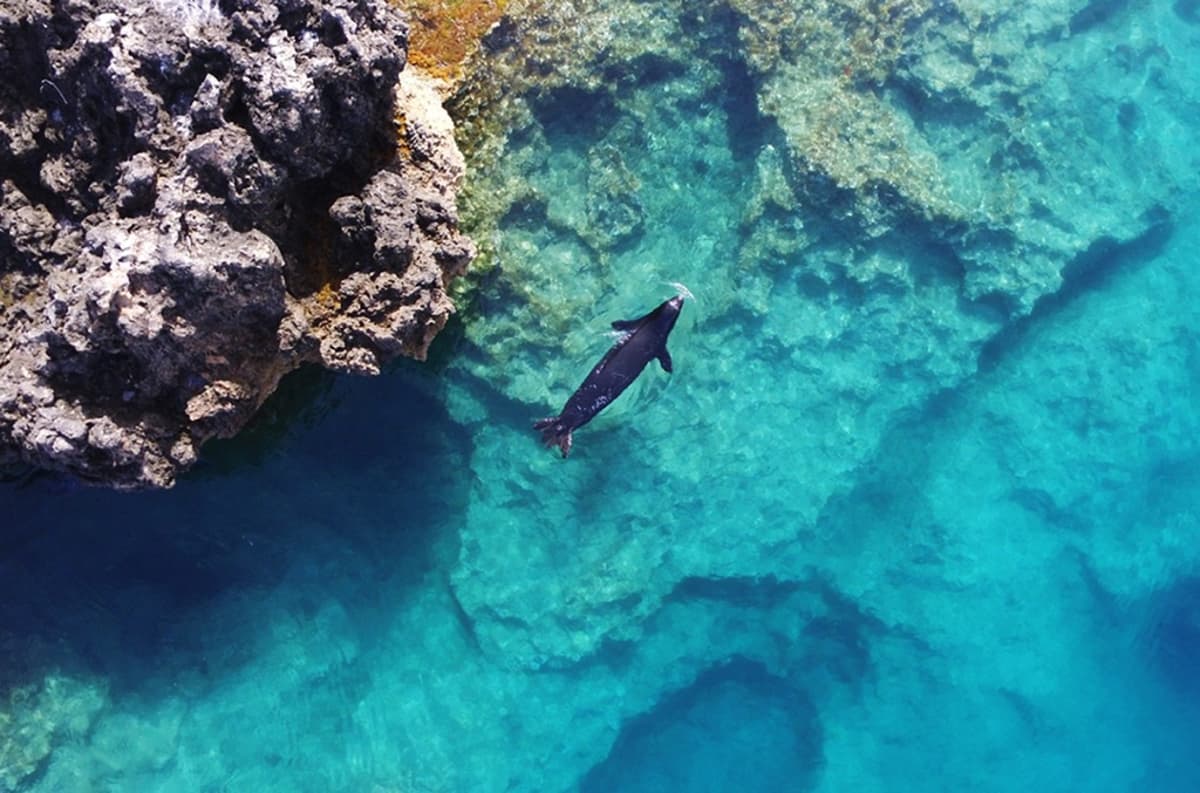
Hidden ‘Bubble Cave’ May Help World’s Rarest Seal Steer Clear of Humans: Study
Why It Matters
The finding highlights a previously overlooked refuge that could be pivotal for the survival of the world’s rarest seal, informing targeted protection measures and habitat management.
Key Takeaways
- •Seals used bubble cave 119 of 141 monitoring days
- •Bubble cave provides air pocket, shelter from tourists
- •Less than 1,000 Mediterranean monk seals remain worldwide
- •No‑entry zones established around Formicula to protect seals
- •Future assessments should inventory bubble caves as critical habitat
Pulse Analysis
The discovery of a hidden bubble cave off Formicula reshapes our understanding of Mediterranean monk seal behavior. Unlike traditional haul‑out sites, this submerged chamber contains a pocket of air, allowing seals to surface without surfacing on open water. Camera footage captured the animals resting there on 119 of 141 observation days, far outpacing use of the larger, more conventional cave. The air‑filled niche offers a quiet sanctuary, especially during peak tourist season when human presence can be intrusive and even aggressive.
Tourism pressure in the Ionian Sea has forced monk seals to abandon historic beaches in favor of secluded marine caves. The bubble cave’s ability to conceal seals from sight provides a critical buffer against disturbances that can disrupt breeding, molting, and pup rearing. In response, Greek authorities have instituted no‑entry zones around Formicula, a move that aligns with broader European Union directives to protect endangered marine mammals. By limiting boat traffic and diver access, these zones aim to reduce stressors that have contributed to the species’ decline, offering a model for other Mediterranean hotspots where human activity collides with fragile ecosystems.
The study’s authors urge conservationists to expand habitat inventories to include bubble caves, which may be more common than currently recognized. Systematic surveys could uncover similar air‑filled chambers along coastlines, providing additional refuges that bolster population resilience. Integrating these findings into marine spatial planning can enhance protected‑area design, ensuring that critical microhabitats receive legal safeguards. As the monk seal teeters on the brink, leveraging every viable shelter—especially those that mitigate human contact—will be essential for reversing its trajectory toward extinction.
Hidden ‘bubble cave’ may help world’s rarest seal steer clear of humans: Study
Comments
Want to join the conversation?
Loading comments...