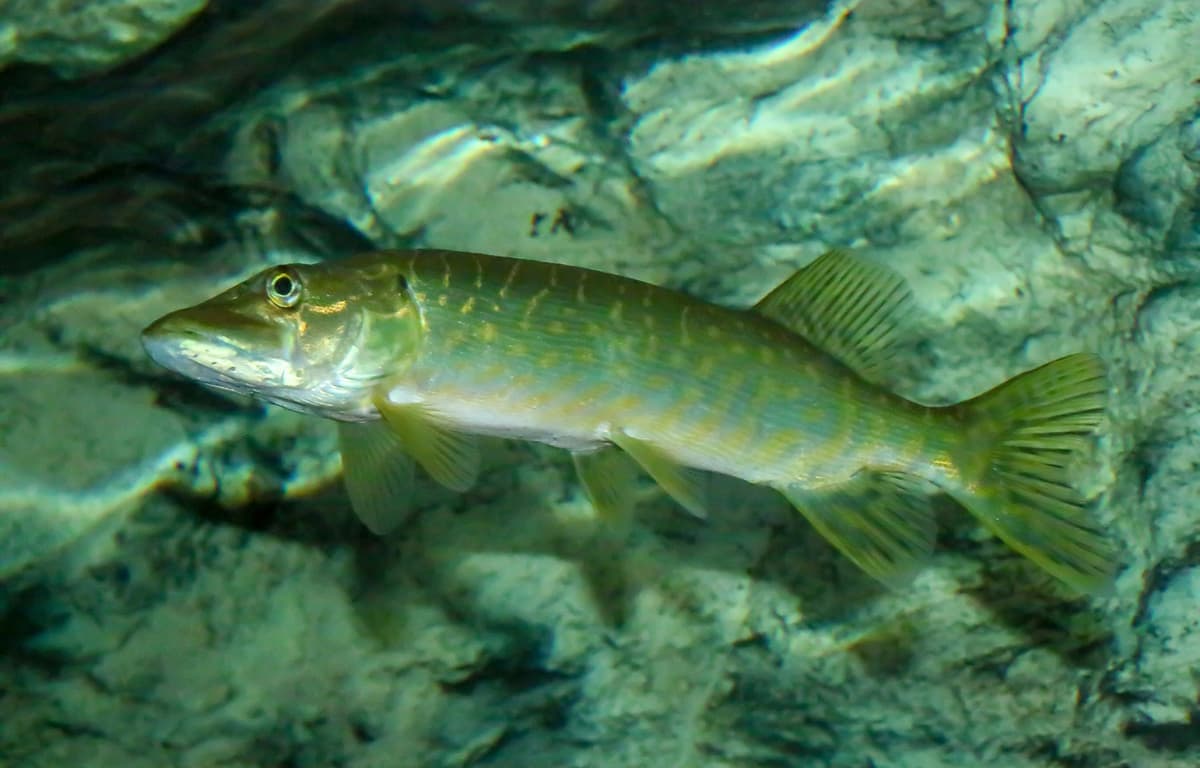
Higher Water Temps in Southcentral Alaska Aiding Invasive Pike Feeding Patterns
Companies Mentioned
Why It Matters
Accelerated pike predation threatens the already fragile salmon runs that underpin Alaska’s commercial and sport fisheries, potentially reducing harvest revenues and ecosystem resilience.
Key Takeaways
- •Deshka River water temps up 0.8°F past decade.
- •Pike feeding projected 6‑12% higher by 2100.
- •Year‑old pike feeding rose 63% since 2011.
- •Warmer water boosts pike metabolism, endangering juvenile salmon.
- •Climate‑driven predator rise threatens declining Chinook and coho stocks.
Pulse Analysis
Rising temperatures in Alaska’s freshwater systems are reshaping predator‑prey dynamics, and a new University of Alaska Fairbanks study quantifies that shift. By comparing pike stomach contents from 2021‑2022 with samples collected a decade earlier, researchers documented a 63% surge in feeding among one‑year‑old pike and a consistent increase across all age classes as water warmed. The study projects a 6‑12% rise in overall pike consumption by 2100, linking climate‑driven thermal changes directly to heightened predation pressure on native fish.
The ecological ripple effects are significant for Alaska’s salmon industry, a cornerstone of both commercial revenue and cultural heritage. Juvenile Chinook and coho salmon, already battling habitat degradation and overfishing, now face intensified predation from an invasive top‑level predator that thrives in shallow, vegetated waterways. Warmer water accelerates pike metabolism, leading to more frequent feeding bouts that can decimate salmon fry and smolt populations. This indirect climate impact threatens to erode harvest volumes, affect downstream processing facilities, and diminish sport‑fishing tourism that relies on robust salmon runs.
Management agencies must adapt to this emerging threat by integrating climate projections into invasive‑species control strategies. Options include targeted removal of pike in critical spawning tributaries, habitat modifications that reduce low‑flow, vegetated zones favored by the predator, and enhanced monitoring of temperature trends. Collaborative efforts between state wildlife services, tribal fisheries, and scientific institutions will be essential to safeguard Alaska’s salmon stocks and the economic stability they provide as the region continues to warm.
Higher water temps in Southcentral Alaska aiding invasive pike feeding patterns
Comments
Want to join the conversation?
Loading comments...