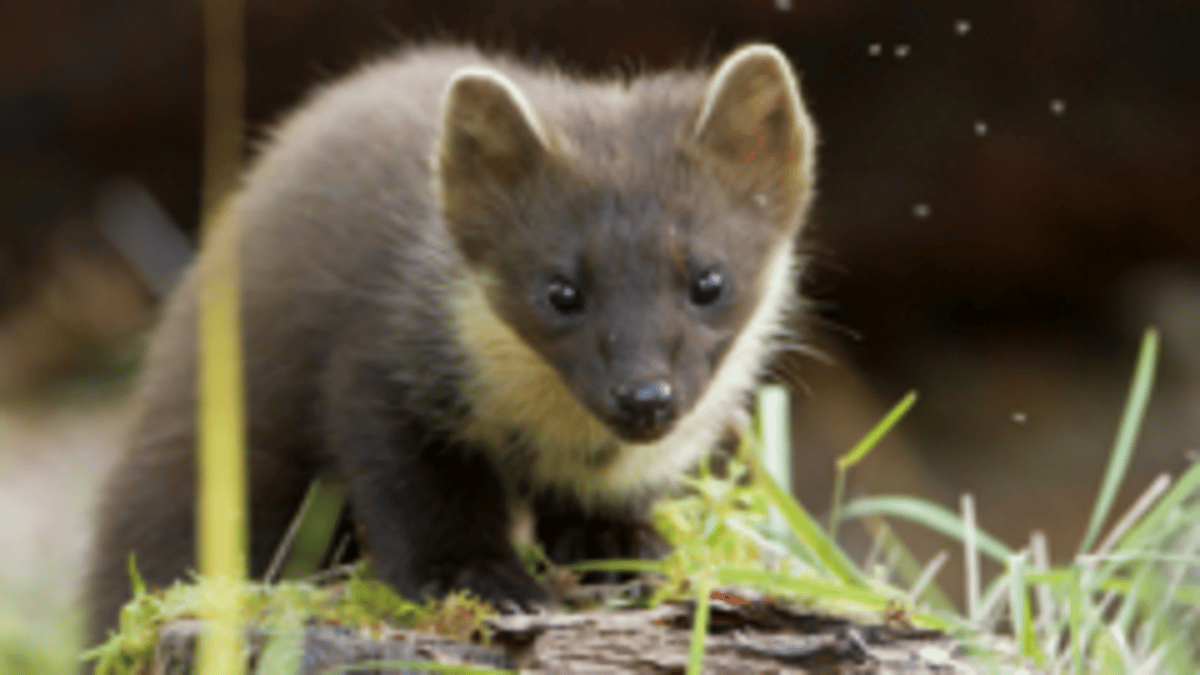
Hopes More Pine Martens Will Be Born in the Wild
Why It Matters
The successful breeding marks a turning point for restoring a native predator, boosting biodiversity and ecosystem resilience in southwest England, and validates rewilding as a tool for reversing historic extinctions.
Key Takeaways
- •First wild pine marten kits confirmed in Dartmoor and Exmoor.
- •Released martens traveled up to 20 miles from release points.
- •Project uses collars initially, then remote cameras for monitoring.
- •Public reporting encouraged to improve tracking data.
- •Reintroduction aims to restore ecological balance after 100‑year absence.
Pulse Analysis
Pine martens once roamed the woodlands of southwest England, playing a crucial role in controlling rodent populations and supporting forest regeneration. Overhunting and trapping drove them to local extinction more than a century ago, leaving a gap in the region’s trophic cascade. Recent conservation momentum across Europe has highlighted the species as a flagship for rewilding, prompting agencies to assess habitat suitability and stakeholder support before attempting a comeback.
The Devon Wildlife Trust’s Two Moors Pine Marten project began in autumn 2024, releasing dozens of captive‑bred individuals into secret sites across Dartmoor and Exmoor. Early monitoring relied on GPS collars, revealing that some martens ventured as far as 20 miles from their drop‑off points, indicating strong dispersal instincts. By July, camera traps captured the first evidence of kits, confirming that the reintroduced population is not only surviving but reproducing. Project lead Tracey Hamston anticipates a surge of juvenile activity on camera in the coming months, and the Trust now invites the public to report sightings, expanding the data pool beyond formal surveys.
The emergence of breeding pine martens carries broader ecological implications. As mesopredators, they help regulate small mammal numbers, which can reduce pressure on ground‑nesting birds and promote healthier understory growth. Their presence also signals a maturing ecosystem capable of supporting higher‑order wildlife. The success bolsters confidence in similar rewilding initiatives across the UK, where policymakers are increasingly weighing biodiversity gains against land‑use priorities. Continued community engagement and adaptive monitoring will be essential to ensure the fledgling population thrives and delivers long‑term conservation benefits.
Hopes more pine martens will be born in the wild
Comments
Want to join the conversation?
Loading comments...