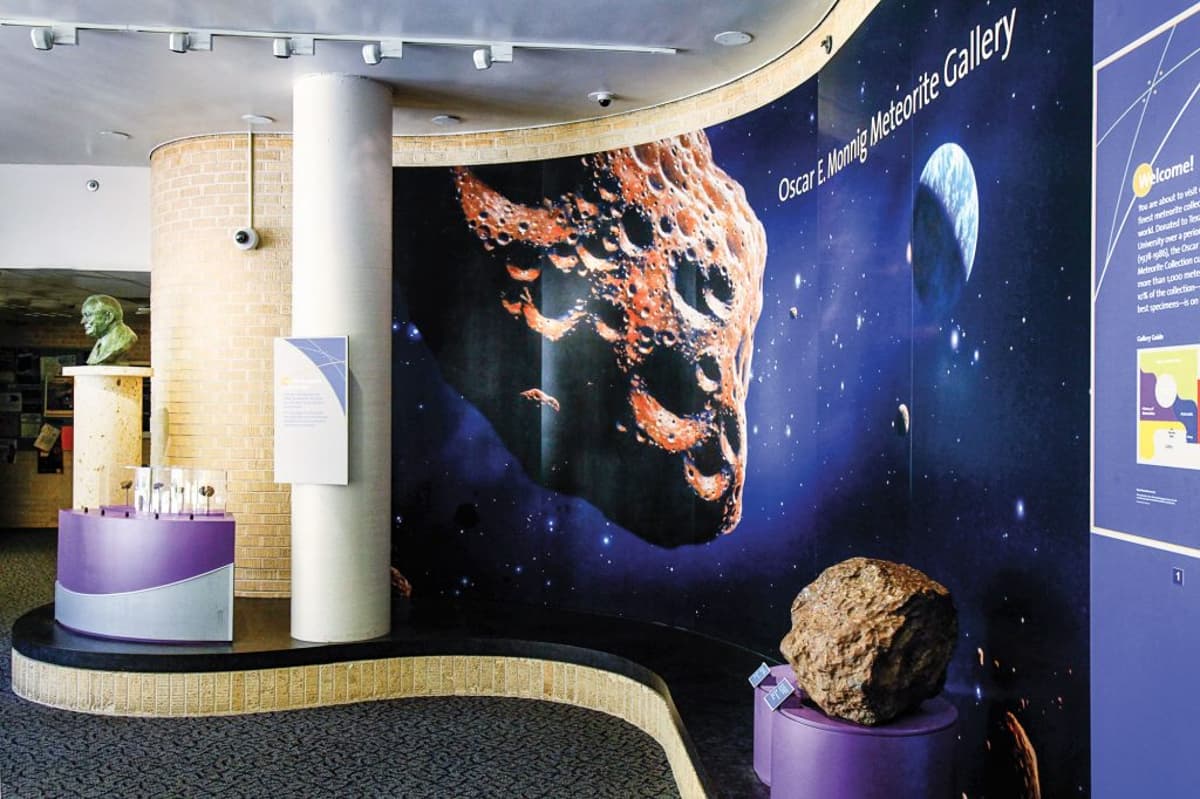
How a Fort Worth Amateur Astronomer Built a Massive Meteorite Collection
Why It Matters
Monnig’s collection provides free, high‑quality extraterrestrial material that fuels planetary‑science research and education, reinforcing the value of private‑collector networks in advancing meteoritics.
Key Takeaways
- •Monnig amassed ~2,500 meteorite specimens for TCU
- •His 1930s ads offered $1 per pound, high for the Depression
- •The La Villa meteorite weighed 43 lb, donated to university
- •TCU’s collection enables global research on early solar system
Pulse Analysis
Oscar Monnig’s meteoritic pursuits illustrate how a single enthusiast can shape a scientific field. Operating out of a family department‑store empire in Fort Worth, Monnig leveraged newspaper ads and a network of farmers to acquire meteorites during the Great Depression, paying $1 per pound—a generous sum at the time. By the 1970s his collection rivaled institutional holdings, prompting interest from the Smithsonian. His decision to donate the trove to Texas Christian University created one of the nation’s largest university‑based meteorite archives, turning a hobby into a lasting academic resource.
Meteorites are time capsules from the dawn of the solar system, with over 99% originating from asteroids and the remainder from the Moon or Mars. Because they predate Earth’s geological record, they offer unique clues about planetary formation, core composition, and early organic chemistry. While space agencies now return samples from asteroids and Mars, those missions cost billions. Monnig’s free, readily available specimens allow researchers to conduct isotopic and mineralogical analyses without the expense of a launch, accelerating discoveries in cosmochemistry and planetary evolution.
The legacy of Monnig’s network is evident in modern recovery efforts, such as the 2023 Texas fireball that dropped a thousand‑pound meteor near El Sauz. Leveraging radar data and local contacts, a team including NASA and Rice University located fragments within hours—mirroring Monnig’s rapid, community‑driven hunts. Today, the TCU gallery not only preserves historical artifacts but also supplies fresh samples to scientists worldwide, underscoring how private collecting, public outreach, and academic stewardship together drive progress in understanding our cosmic origins.
How a Fort Worth Amateur Astronomer Built a Massive Meteorite Collection
Comments
Want to join the conversation?
Loading comments...