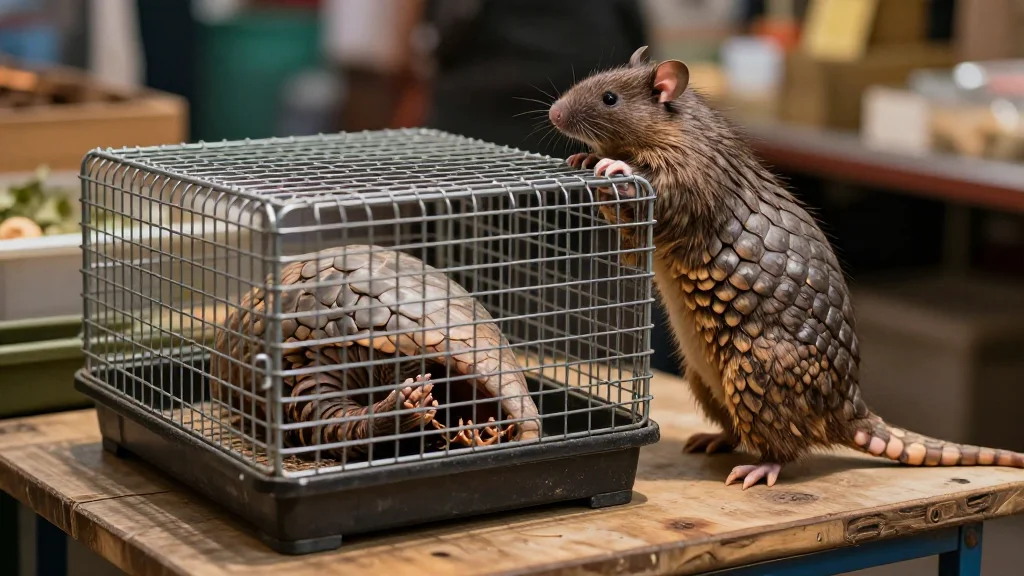
How Bad for Humans Is Wildlife Trade? A New Study Has Answers
Why It Matters
The findings turn anecdotal warnings into hard data, giving policymakers a concrete metric to prioritize wildlife‑trade regulation as a core component of pandemic prevention.
Key Takeaways
- •Traded mammals 1.5× more likely to cause human disease.
- •41% of traded species share pathogens, versus 6.4% non‑traded.
- •One new zoonotic virus emerges per decade of trade exposure.
- •Live animal markets and illegal trade present highest spillover risk.
- •Reducing demand and improving surveillance can curb future pandemics.
Pulse Analysis
The Science paper by Carlson and colleagues leverages a newly built pathogen atlas to compare disease‑sharing rates between traded and non‑traded mammals. By cataloguing over 2,000 species, the researchers uncovered that 41 % of animals in the legal or illegal wildlife market harbor at least one virus also found in humans, a stark contrast to the 6.4 % figure for species outside the trade. This data‑driven approach validates long‑standing concerns that wildlife commerce is a catalyst for emerging infectious diseases, and it quantifies the incremental risk that accumulates the longer a species remains in the supply chain.
From a public‑health perspective, the study reshapes risk assessment frameworks. Traditional models have focused on habitat loss or climate change, but the clear statistical link between trade duration and pathogen spillover suggests that surveillance should target market hubs, border checkpoints, and supply‑chain nodes where animals are held under stressful, unsanitary conditions. Policymakers face a dilemma: tightening enforcement may push illicit trade underground, complicating detection, while outright bans could disrupt livelihoods in regions dependent on wildlife commerce. A balanced strategy that couples stricter regulation with community‑based demand‑reduction campaigns—highlighting the billions of dollars generated by exotic pet and food markets—offers a pragmatic path forward.
The broader implication is that pandemic prevention must be integrated into trade policy, conservation, and economic development. As global supply chains become more interconnected, the cost of a single spillover event—measured in lives, healthcare expenditures, and economic disruption—far outweighs the short‑term profits of wildlife sales. Investing in real‑time pathogen monitoring, improving market hygiene standards, and educating consumers about the hidden health risks can collectively lower the probability of the next COVID‑19‑style outbreak. In essence, curbing wildlife‑trade‑driven zoonoses is not just an environmental issue; it is a critical component of global economic resilience and public‑health security.
How bad for humans is wildlife trade? A new study has answers
Comments
Want to join the conversation?
Loading comments...