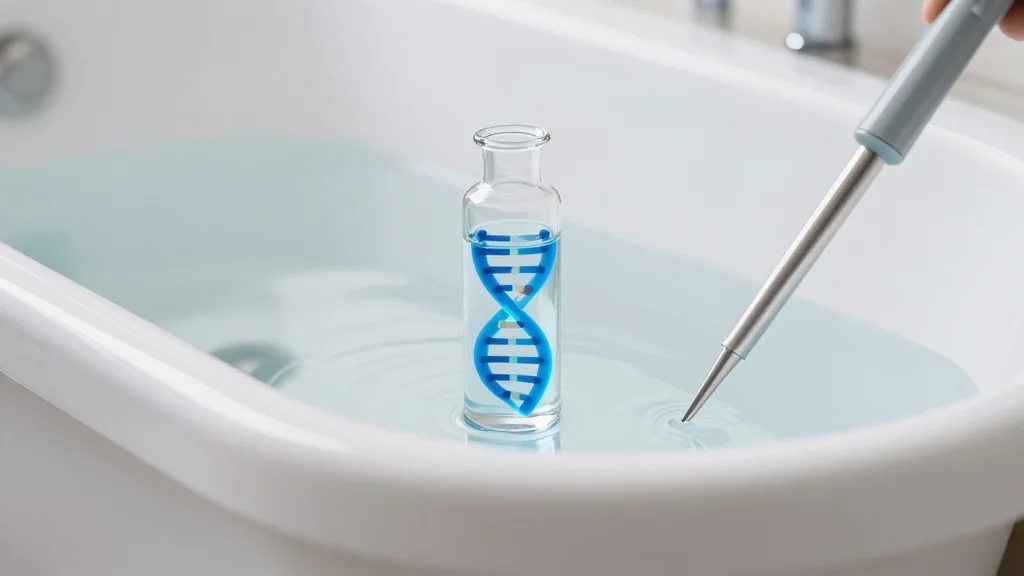
How Bathwater Forensics Can Provide DNA Data
Why It Matters
Bathwater DNA offers investigators a new, low‑cost medium to verify presence or absence of suspects, potentially strengthening criminal cases where traditional evidence is scarce. It expands the forensic toolkit beyond blood, hair, and touch DNA, improving investigative accuracy.
Key Takeaways
- •DNA detectable after 1 minute of immersion
- •Complete STR profiles achieved after 10 minutes
- •Only bathtub water yielded sufficient forensic DNA
- •Individual shedding variation impacts DNA quantity
- •Detects unexpected individuals, aiding copresence verification
Pulse Analysis
Forensic science has long relied on blood, hair, and touch DNA to link suspects to crime scenes, but each medium has limitations in persistence and collection. Water, traditionally viewed as a DNA destroyer, is now emerging as a surprisingly rich reservoir. Recent advances in short tandem repeat (STR) profiling allow analysts to amplify even trace amounts of genetic material, turning ordinary bathwater into a forensic sample that can survive brief immersion periods.
In a 2026 PLOS One study, volunteers’ bathwater was sampled at intervals from one to ten minutes. Researchers found that DNA from the current bather was virtually undetectable before one minute, then surged sharply, producing full STR profiles after ten minutes for most participants. Real‑world casework reinforced these results: bathtub water from homicide investigations yielded three usable DNA profiles, whereas samples from harbors, pools, and rivers fell short. The variability in DNA shedding among individuals emerged as a key factor, underscoring the need for tailored collection protocols.
The implications for law enforcement are significant. Bathwater DNA can corroborate witness statements, reveal hidden participants, or expose inconsistencies in suspect alibis, especially in domestic or aquatic death cases where other evidence is limited. However, challenges remain, including understanding DNA degradation in different water chemistries and establishing standardized collection guidelines. As forensic laboratories adopt this technique, it could become a cost‑effective complement to existing DNA databases, sharpening investigative precision across a range of criminal contexts.
How bathwater forensics can provide DNA data
Comments
Want to join the conversation?
Loading comments...