How Big a Problem Are Microplastics?
Why It Matters
The findings expose a hidden pathway of plastic ingestion that could affect public health and reveal a regulatory blind spot, prompting manufacturers to rethink packaging design and safety standards.
Key Takeaways
- •Packaging releases ~1,000 tons microplastics into food yearly.
- •Average person ingests 130 mg; high users over 1 g.
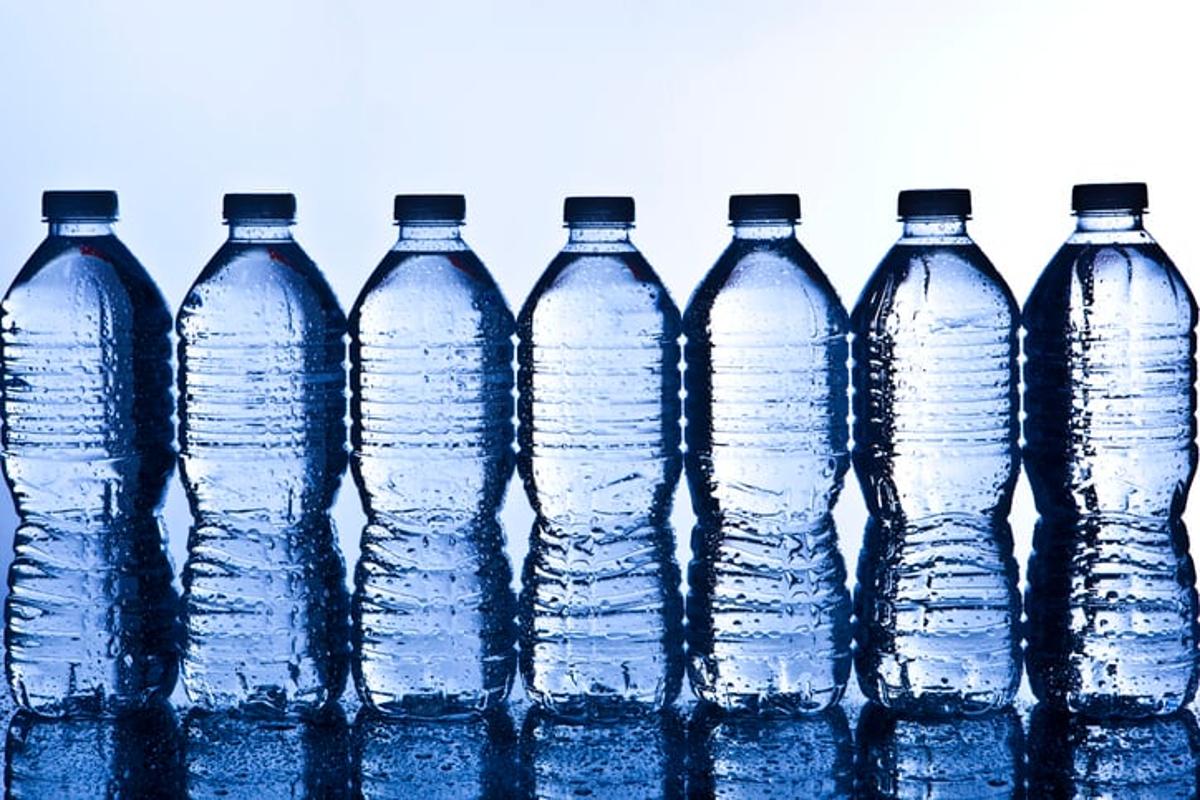
- •PET bottles account for one‑third of exposure.
- •UV, heat, abrasion increase microplastic release dramatically.
- •Continuous‑ring caps emit fewer particles than segmented caps.
Pulse Analysis
The study arrives at a moment when consumer scrutiny of plastic waste has intensified, yet the focus has largely been on macro‑plastic pollution in oceans. By quantifying the flow of micro‑ and nanoplastics from packaging into consumables, the research adds a crucial data point to the broader discourse on food safety. The estimated 1,000 tonnes per year—equivalent to the weight of over 600 mid‑size cars—underscores that the problem is not marginal; it is a systemic exposure route that touches every household.
Mechanistically, the report identifies three accelerants: ultraviolet radiation, thermal stress, and mechanical abrasion. Sunlight can amplify particle release by up to 100‑fold, while everyday actions such as opening, squeezing or reheating containers further degrade polymer matrices. The resulting particles, many under 150 µm, are small enough to breach intestinal barriers and potentially deliver embedded additives like phthalates or bisphenols into the bloodstream. Current food‑contact regulations rarely address this dual threat of physical particles and chemical leachates, leaving a gap that could have long‑term health implications.
For the industry, the data offers a roadmap to mitigation. Simple engineering changes—such as adopting continuous‑ring closures, using UV‑stable polymers, and advising consumers to store bottles away from heat and light—can markedly reduce emissions. Brands that proactively adjust packaging may gain a competitive edge as retailers and shoppers increasingly demand transparency and sustainability. Meanwhile, policymakers are likely to face pressure to update safety standards, making the study a catalyst for both regulatory reform and innovation in the packaging sector.
How big a problem are microplastics?
Comments
Want to join the conversation?
Loading comments...