How Can Low-Value Agricultural Waste Be Transformed Into High-Value Products?
Why It Matters
The technology tackles mounting plastic pollution while opening new revenue streams for farmers, accelerating a circular economy in the packaging sector.
Key Takeaways
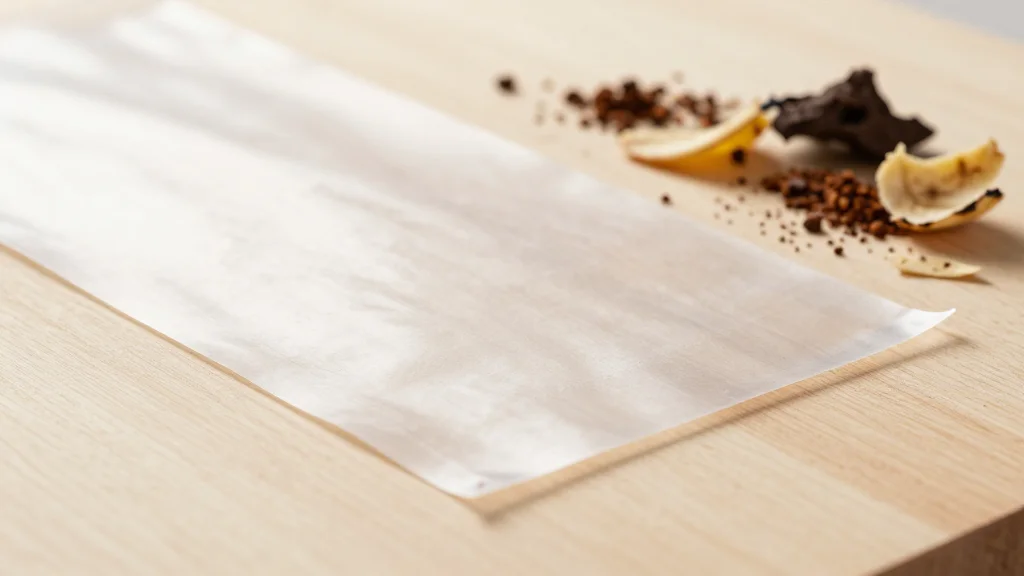
- •Biodegradable films made from coffee grounds, banana peels, soybean hulls.
- •Cellulose extracted and cross‑linked with calcium yields flexible, compostable packaging.
- •Cow‑dung cellulose simplifies processing, offering another low‑cost feedstock.
- •Films extend fresh produce shelf life, adding value to food supply.
- •Waste‑to‑wealth model turns agricultural residues into high‑value packaging.
Pulse Analysis
Plastic waste has become a global crisis, with single‑use packaging accounting for a large share of persistent pollutants. Consumers and regulators are demanding greener solutions, prompting researchers to explore renewable feedstocks. At South Dakota State University, associate professor Srinivas Janaswamy’s team leverages abundant agricultural by‑products—ranging from coffee grounds to cow dung—to produce cellulose‑based films that break down in soil within weeks, offering a direct substitute for conventional petroleum‑derived plastics.
The science hinges on isolating cellulose, the strongest natural polymer, from otherwise discarded biomass. After a series of chemical treatments, the cellulose is dissolved, mixed with calcium ions, and cast into thin sheets that dry into transparent, flexible films. This cross‑linking creates a stable network that mimics the mechanical strength of traditional packaging while remaining fully biodegradable. Notably, cow‑dung cellulose arrives partially pre‑processed by digestion, reducing energy inputs and lowering production costs, thereby expanding the portfolio of viable feedstocks.
Economically, the approach transforms waste streams into high‑margin products, giving farmers a new market for residues that currently incur disposal costs. The films’ ability to prolong produce freshness adds value across the food supply chain, potentially reducing spoilage losses. With raw materials locally sourced, the model supports regional manufacturing hubs and minimizes transportation emissions. As the packaging industry seeks to meet stricter environmental regulations, scalable, low‑cost biodegradable alternatives like these could capture significant market share, driving a shift toward a more sustainable, circular materials economy.
How can low-value agricultural waste be transformed into high-value products?
Comments
Want to join the conversation?
Loading comments...