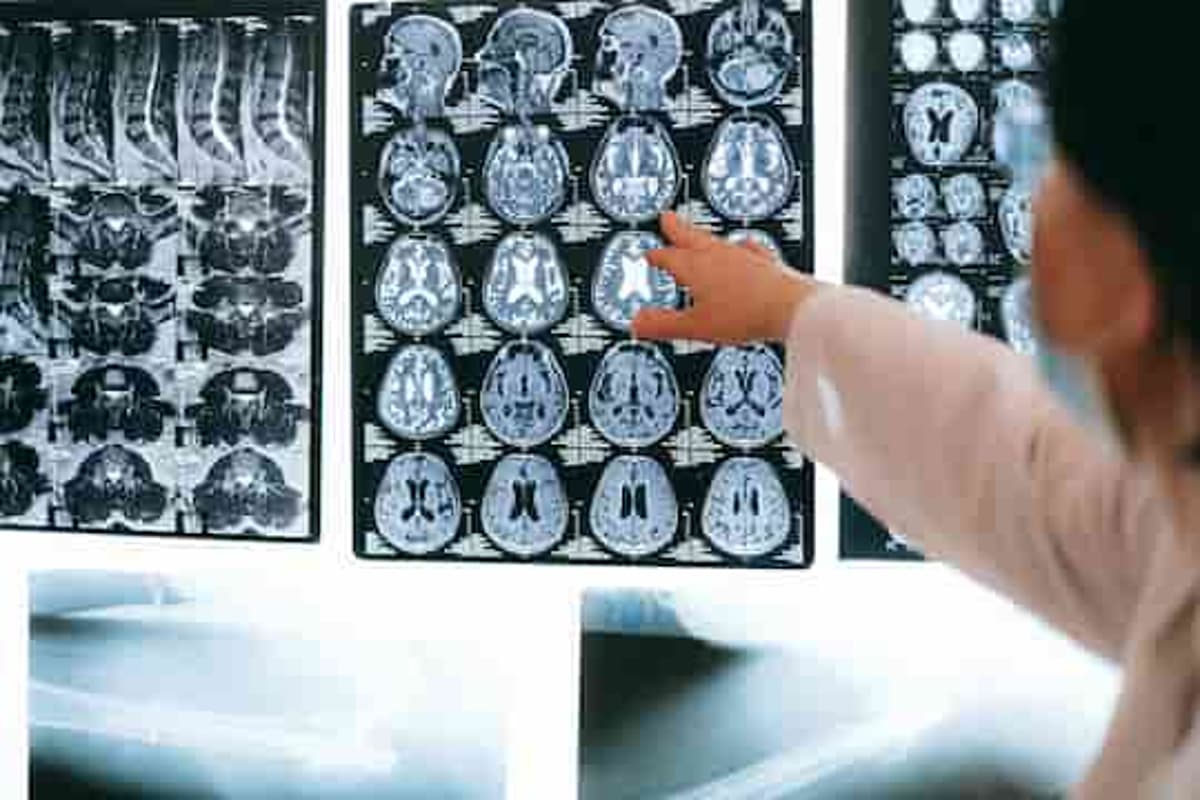
How Depression Changes Brain Structure According To 3000+ Scans
Why It Matters
The discovery links depression to measurable brain‑structure alterations, offering a tangible target for novel therapeutic strategies and underscoring the urgency of advancing mental‑health interventions.
Key Takeaways
- •Over 3,400 scans reveal reduced white matter integrity in depression
- •Diffusion tensor imaging maps brain wiring disruptions linked to mood disorders
- •Findings highlight neural targets for novel antidepressant therapies
- •Study is largest single-sample brain‑imaging analysis of depression
- •Researchers plan to explore protective factors against white‑matter changes
Pulse Analysis
Depression remains a leading cause of disability worldwide, yet its biological underpinnings are still being unraveled. Recent advances in neuroimaging have shifted the focus from purely chemical imbalances to structural brain changes, particularly in the white‑matter pathways that facilitate communication between regions. By visualizing these connections, scientists can better correlate symptom severity with tangible neural alterations, bridging the gap between clinical observation and physiological evidence.
The landmark investigation led by Dr. Heather Whalley leveraged diffusion tensor imaging (DTI) across a cohort of 3,461 participants, making it the most extensive single‑sample study of its kind. DTI quantifies the directional movement of water molecules, providing a precise map of fiber integrity. The analysis revealed a consistent pattern: individuals experiencing depressive episodes showed diminished fractional anisotropy, a hallmark of compromised white‑matter health. This robust dataset not only confirms earlier, smaller‑scale findings but also establishes a statistical baseline for future comparative research.
Clinically, these insights could transform how depression is diagnosed and treated. Identifying specific white‑matter tracts affected by mood disorders opens avenues for targeted interventions, ranging from neuromodulation techniques to personalized pharmacotherapy aimed at restoring connectivity. Moreover, the study’s next phase—examining why some brains resist such changes—may uncover protective biomarkers, informing preventative strategies. As the field moves toward integrating neuroimaging biomarkers into routine psychiatric assessment, this research marks a pivotal step toward more precise, mechanism‑based care.
How Depression Changes Brain Structure According To 3000+ Scans
Comments
Want to join the conversation?
Loading comments...