How Did so Many Theropod Dinosaurs Come to Have Tiny Arms?
Why It Matters
Understanding forelimb reduction clarifies functional trade‑offs in apex predators and informs broader patterns of dinosaur evolution, aiding paleobiological reconstructions and comparative biomechanics.
Key Takeaways
- •Robust skulls evolved alongside reduced forelimbs in multiple theropod lineages
- •Alvarezsaurids show digging adaptations: strong forelimb muscles and large claw
- •Alternative hypothesis: alvarezsaurid arms used for egg‑stealing, not digging
- •T. rex arm function remains unresolved; may involve display or support
Pulse Analysis
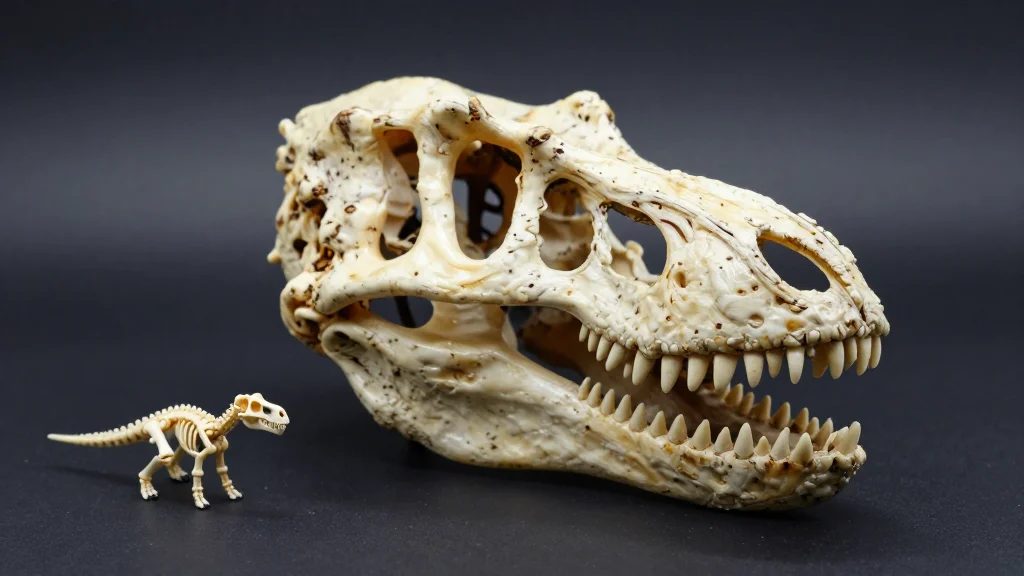
Theropod dinosaurs exhibit a striking disparity between massive skulls and diminutive forelimbs, a pattern that has puzzled paleontologists for decades. Recent quantitative work demonstrates a consistent correlation: as skulls grew larger and structurally reinforced to deliver crushing bites, the selective pressure to maintain robust arms waned. This trade‑off mirrors modern predators where head strength supersedes forelimb utility, offering a mechanistic explanation for the repeated emergence of short arms across disparate lineages, from early tyrannosaurs to late‑Cretaceous giants.
The alvarezsaurids provide a compelling counterpoint, retaining stout forelimbs despite their overall small size. Biomechanical modeling reveals that their shoulder and elbow joints could generate forces comparable to those of extant digging mammals such as pangolins. Coupled with a pronounced sternum for powerful pectoral muscles, the anatomy supports a specialized fossorial niche, likely targeting insects or burrowing prey. However, an alternative view argues that the short, clawed limbs were optimized for piercing eggs rather than excavating soil, highlighting the ongoing debate over functional morphology in this enigmatic group.
For the iconic T. rex, the new findings narrow the field of plausible functions but stop short of a definitive answer. The arm’s residual musculature suggests it retained some utility—perhaps for balance, display, or limited prey manipulation—yet its extreme reduction underscores the dominance of cranial power in apex predation. These studies collectively enrich our understanding of evolutionary trade‑offs, illustrating how shifts in one anatomical system can drive dramatic changes elsewhere, and they set the stage for future research integrating fossil data with advanced computational simulations.
How did so many theropod dinosaurs come to have tiny arms?
Comments
Want to join the conversation?
Loading comments...