How Did the Cruise Ship Hantavirus Outbreak Start? Scientists Are Investigating New Scenarios
Why It Matters
Understanding the true source and incubation period of the Andes virus will reshape public‑health guidelines, quarantine durations, and rodent‑borne disease monitoring worldwide.
Key Takeaways
- •Ushuaian landfill link dismissed after no infected rats found
- •Genomes match 2018 Neuquén cases, suggesting northern circulation
- •Incubation could extend to 60 days, challenging WHO 42‑day rule
- •Rodent entry into motorhome remains leading infection hypothesis
Pulse Analysis
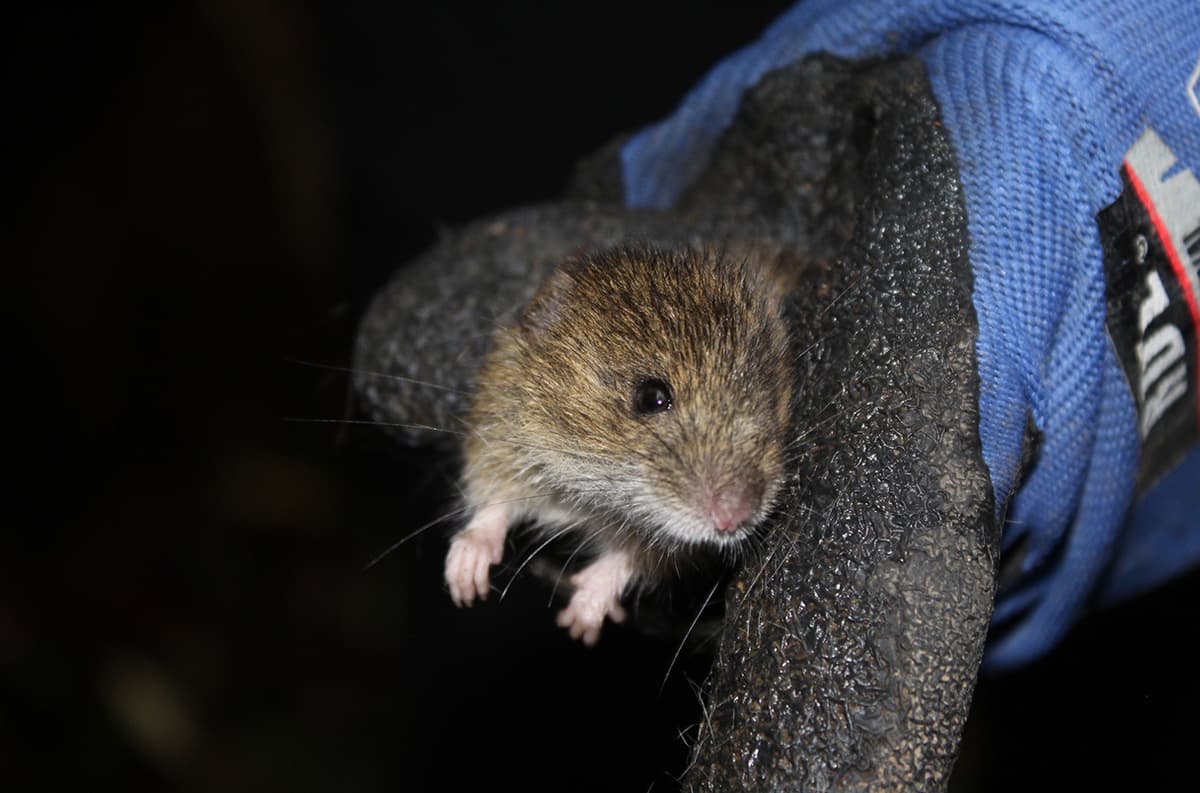
The MV Hondius outbreak has thrust the little‑studied Andes hantavirus into the global spotlight. Unlike most hantaviruses, Andes can spread person‑to‑person, raising alarms when a 70‑year‑old Dutch ornithologist died aboard the ship. Early speculation tied the infection to a bird‑watching stop at an Ushuaian landfill, but field teams failed to capture the long‑tailed pygmy rice rat that carries the virus, and the patient’s fever appeared only five days after arrival—well below the 7‑39‑day incubation range cited by the Pan American Health Organization.
Deep‑sequencing of viral samples from passengers revealed a striking genetic similarity to strains isolated in Neuquén province, Argentina, and Toltén, Chile, dating back to 2018. Those regions sit over 2,000 km north of Ushuaia and were traversed by the Dutch couple in February, implying a possible 60‑day incubation period—far longer than current WHO guidance. This discrepancy forces epidemiologists to reconsider the virus’s geographic range, genetic diversity, and the true length of its asymptomatic phase, underscoring the need for expanded genomic surveillance of rodent reservoirs across South America.
Public‑health authorities are now re‑evaluating quarantine protocols. While the World Health Organization recommends a 42‑day isolation for exposed travelers, Argentina has already shortened its own measures to 30 days for high‑risk contacts. If a prolonged incubation is confirmed, policies may shift toward symptom‑based monitoring rather than blanket quarantines. The Hondius case highlights how gaps in pathogen data can amplify uncertainty, prompting a broader call for coordinated monitoring of zoonotic threats that could impact cruise tourism, international travel, and global health security.
How did the cruise ship hantavirus outbreak start? Scientists are investigating new scenarios
Comments
Want to join the conversation?
Loading comments...