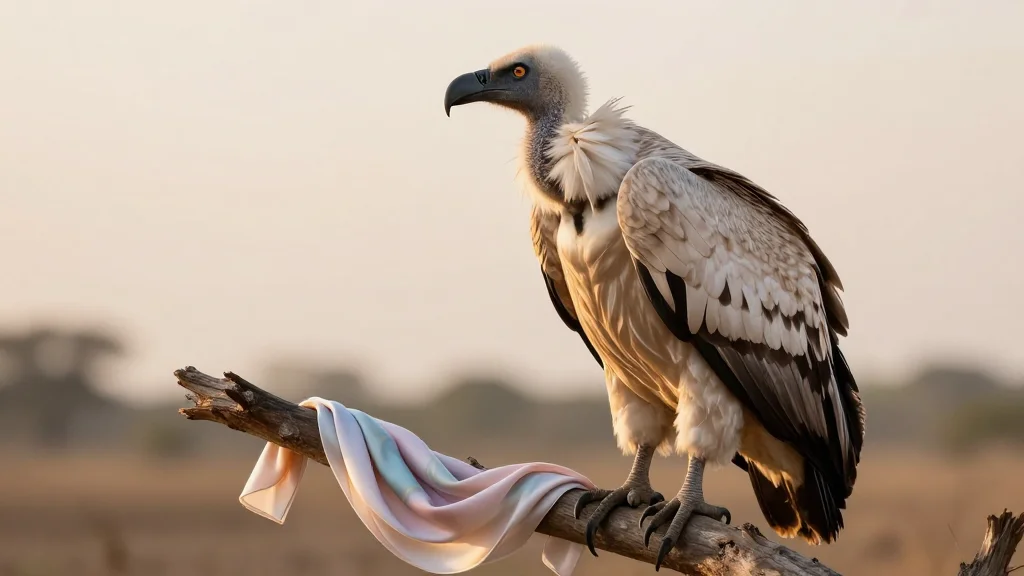
How Do You Replace 40 Million Dead Vultures?
Companies Mentioned
Why It Matters
Vultures rapidly dispose of animal carcasses, preventing disease outbreaks and saving billions in health costs; their decline threatens both public health and biodiversity in South Asia.
Key Takeaways
- •40 million Indian vultures have died in past two decades
- •Vultures prevent disease spread by disposing of carcasses quickly
- •Jatayu Centre aims to breed 2,000 vultures annually
- •Government permits and land disputes delay breeding program expansion
- •Successful breeding could restore ecosystem services worth billions in health savings
Pulse Analysis
India’s vulture crisis began in the late 1990s when the veterinary drug diclofenac entered the market, killing birds that fed on contaminated livestock carcasses. The loss of these obligate scavengers has left a vacuum in the ecosystem, allowing carcasses to rot and fostering the spread of anthrax, rabies and other zoonoses. Estimates suggest that the disappearance of vultures adds up to $5 billion annually in health‑related costs across the subcontinent, underscoring the urgency of a restoration effort.
The Jatayu Conservation Breeding Centre, located near Pinjore in Haryana, represents the most ambitious response to date. Equipped with state‑of‑the‑art aviaries and a team of ornithologists, the centre targets the breeding of 2,000 vultures per year, focusing on critically endangered species such as the Indian white‑backed vulture. Yet the project faces political headwinds: land‑allocation approvals have stalled, and local authorities have clashed with conservationists over forest‑clearance permits. These administrative delays threaten to curtail the centre’s capacity to scale up its output, despite the clear ecological mandate.
Restoring vulture populations would re‑establish a natural waste‑management system that curtails disease transmission and supports agricultural productivity. Health economists estimate that each successfully reintroduced vulture can save up to $30,000 in avoided medical expenses and livestock losses. As India grapples with rapid urbanization and rising demand for protein, securing the services of these birds becomes a strategic public‑health investment. Continued political will and streamlined regulatory pathways are essential to translate breeding successes into measurable societal benefits.
How do you replace 40 million dead vultures?
Comments
Want to join the conversation?
Loading comments...