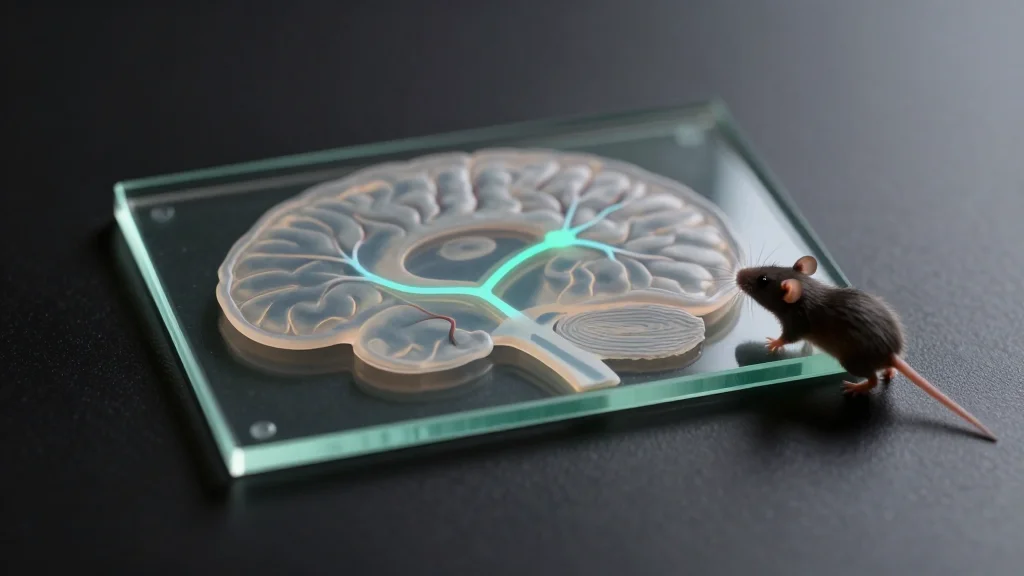
How Early Brain Activity May Shape Speech-Linked Circuits Before Babies Ever Speak
Why It Matters
The findings link early neural activity to gene‑driven speech circuit formation, offering a new angle for tackling neurodevelopmental communication disorders.
Key Takeaways
- •vmPFC‑striatal circuit fires immediately before neonatal mouse vocalizations
- •Circuit activation elevates Foxp2 expression in developing forebrain
- •Enhanced activity partially restores vocal output in Foxp2‑mutant mice
- •Early forebrain plasticity may shape later speech and social abilities
Pulse Analysis
The discovery of a forebrain circuit that spikes just before infant‑like vocalizations reshapes how scientists view the origins of speech. Traditionally, research has focused on brainstem nuclei that generate sound, but the NYCU team demonstrated that the ventromedial prefrontal cortex and striatum coordinate to prime vocal output. By tagging active neurons in real time, they captured a precise temporal relationship, suggesting that higher‑order regions are already orchestrating communication long before language emerges.
A pivotal insight from the study is the activity‑dependent regulation of Foxp2, a gene long associated with speech disorders such as childhood apraxia. Rather than acting solely as a static blueprint, Foxp2 levels rose when the vmPFC‑striatal pathway was experimentally stimulated, indicating that neural firing can modulate gene expression during critical windows. This dynamic interplay explains why some genetic mutations produce variable phenotypes and opens the door to exploring how environmental factors—like early auditory exposure—might fine‑tune the gene’s impact.
While the experiments were conducted in mice, the broader implications for human health are significant. If comparable forebrain circuits exist in infants, early interventions that safely enhance neural activity could bolster the maturation of speech‑related pathways, potentially mitigating the severity of neurodevelopmental disorders. Future research will need to translate these findings to human neuroimaging and non‑invasive stimulation techniques, but the study provides a compelling biological framework for why the first months of life may be a critical period for speech development.
How early brain activity may shape speech-linked circuits before babies ever speak
Comments
Want to join the conversation?
Loading comments...